What Is a Heavy-Duty Truck Engine?
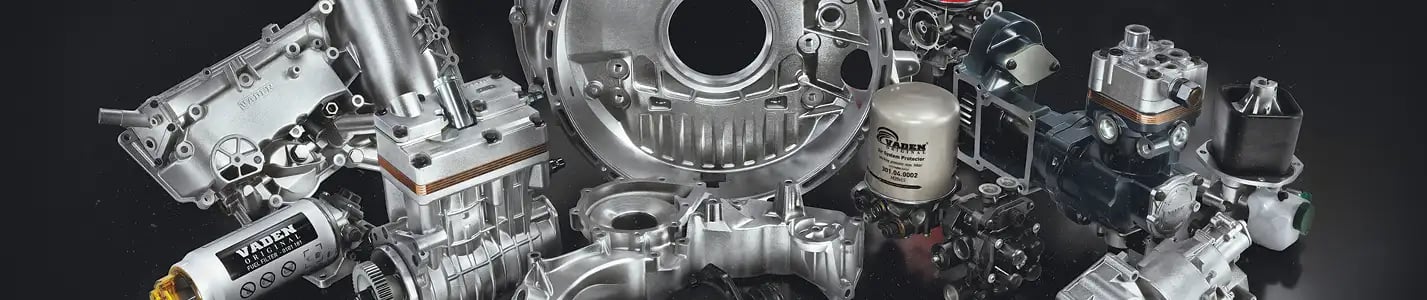
A heavy-duty engine is the vehicle's main power unit, converting the energy released by controlled fuel combustion into the rotating force that drives the truck forward. Built for the high torque and power demands of commercial vehicles, it depends on the coordinated operation of several subsystems: air intake, fuel delivery, lubrication, cooling, exhaust, and engine braking all have to work together to deliver maximum efficiency. Keeping that performance, fuel economy and service life intact means every part in the system has to sit within correct tolerances and meet OE standards. VADEN ORIGINAL protects that integrity with engine parts engineered specifically for the demanding duty cycles of trucks, tractor units, trailers and buses.
How a Heavy-Duty Engine Works and What It Does
- Air intake: The air filter and intake manifold strip dust and particulates from incoming air before it reaches the cylinders, supplying the clean air combustion depends on.
- Fuel injection: Injectors deliver high-pressure fuel with precise timing and metering, shaping an efficient combustion event in every cycle.
- Combustion and power generation: The piston, cylinder liner and valves convert the pressure from burning air-fuel mixture into mechanical motion that turns the crankshaft.
- Timing control: The camshaft and rocker arm regulate exactly when the valves open and close, keeping gas exchange running efficiently.
- Lubrication and cooling: The oil pump, oil filter and oil cooler lubricate moving parts to cut friction and keep the engine from overheating.
- Exhaust and engine braking: The exhaust manifold collects spent gases while the exhaust brake system adds engine braking on long descents, improving safety.
- Emissions control: The EGR valve and EGR flap recirculate a portion of exhaust gas back into the combustion chamber to cut NOx emissions.
Main Components and Subcategories
- Steering: Steering linkage and drive components supplied within the engine group.
- EGR Flap: A flap that throttles or opens exhaust gas recirculation flow to manage emissions.
- EGR Valve: A valve that routes exhaust gas back into the combustion chamber to lower NOx output.
- Exhaust Brake: A system that generates engine braking to ease the load on the service brakes during downhill descents.
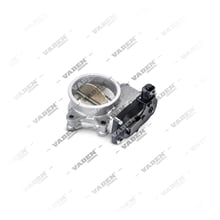
- Exhaust Brake Butterfly: The butterfly mechanism that restricts the exhaust line to produce the engine-braking effect.
- Exhaust Brake Valve: The pneumatic valve that controls when the exhaust brake engages.
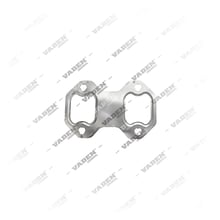
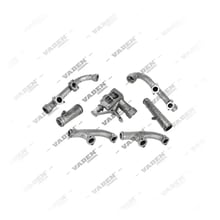
- Exhaust Manifold: Collects exhaust gases from the cylinders and routes them to the exhaust system and turbocharger.
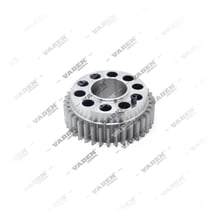
- Camshaft: Controls valve timing throughout the combustion cycle.
- Intake Manifold: Distributes clean, evenly balanced air into the combustion chamber.
- Injector: Sprays fuel at high pressure with precise timing for efficient combustion.
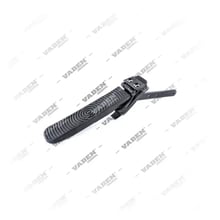
- Accelerator Pedal: The control the driver uses to signal engine speed and power demand.
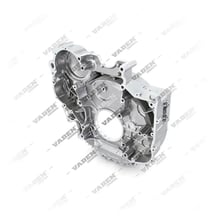
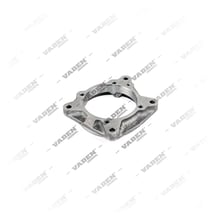
- Housing: Housing parts that carry and position engine components.
- Air Filter: Cleans incoming air of dust and particulates to reduce wear.
- Air Vent/Bleed: Provides controlled release of excess air or pressure within the system.
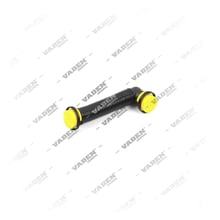
- Breather/Ventilation: Crankcase ventilation parts that balance internal engine pressure.
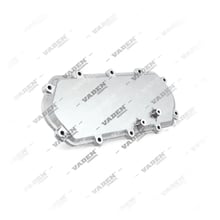
- Cover: Cover group enclosing the combustion chamber and internal engine components.
- Crankcase: The lower housing that stores engine oil and supports oil circulation.
- Rod & Shaft Set: Connecting rod and shaft components that transmit motion.
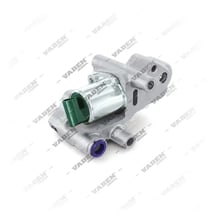
- Control Valve: Regulates the direction and flow of fluids within the engine.
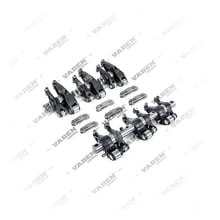
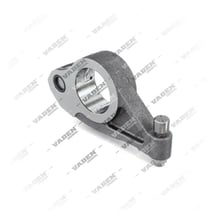
- Rocker Arm: Transfers camshaft motion to the valves.
- Manifold: General manifold components distributing intake and exhaust gas flow.
- Piston & Liner: Converts combustion energy into mechanical motion; piston and cylinder liner.
- Cylinder Head: Caps the combustion chamber and houses the valves and injectors.
- Valve: Controls the engine's air-fuel intake and exhaust output.
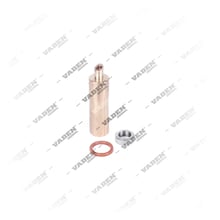
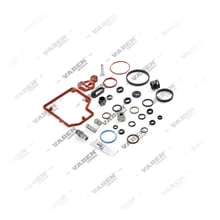
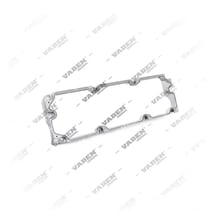
- Repair Kit: Gasket and repair part sets for engine overhaul and rebuilding.
- Turbocharger: Uses exhaust gas energy to force extra air into the engine, boosting power and efficiency.
- Flywheel Housing: Shields the flywheel from external damage, adding to engine protection.
- Oil Separator Filter: Separates oil vapor formed in the crankcase to reduce emissions.
- Oil Pressure Control: Monitors engine oil pressure to keep the lubrication system running properly.
- Oil Filter: Traps metal particles and contaminants to keep engine oil clean.
- Oil Pan: The pan where engine oil collects and is stored.
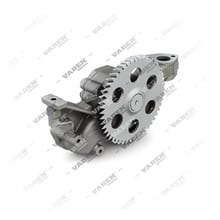
- Oil Pump: Regulates oil pressure to lubricate all moving parts.
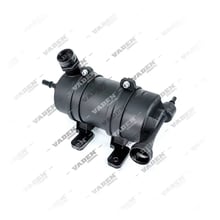
- Oil Cooler: Keeps oil at the right temperature to prevent engine overheating.
Technical Summary
| Attribute | Details |
|---|
| Scope | The complete engine system, covering air intake, fuel injection, lubrication, cooling, exhaust/EGR and engine braking |
| Vehicle types | Heavy commercial vehicles, trucks, tractor units, trailers and buses |
| Compatibility | Major OE brands and models including Mercedes-Benz, MAN, Scania, Volvo, DAF, Iveco, Renault, BMC and Ford |
| System/standard | Euro 5 and Euro 6 emissions compliant, produced under ISO-based quality processes |
| OE-matching approach | Manufactured to OE part numbers and technical tolerances; no invented or guessed part numbers |
| Maintenance | Scheduled oil and filter changes, valve adjustment, EGR/turbo checks and gasket renewal |
Types and Variants of Engine Components
- Emissions components: EGR flap, EGR valve and oil separator filter, covering exhaust gas recirculation and crankcase ventilation.
- Fuel and air supply: Injectors, air filter, intake manifold and accelerator pedal, handling pre-combustion supply.
- Engine block and piston assembly: Piston & liner, cylinder head, valves and camshaft, the core combustion and timing parts.
- Lubrication group: Oil pump, oil filter, oil pan, oil cooler and oil pressure control components.
- Exhaust and engine braking: Exhaust manifold, exhaust brake, exhaust brake butterfly and exhaust brake valve, covering safety and gas evacuation.
- Forced induction: Turbocharger components that use exhaust energy to build boost pressure.
- Repair and overhaul kits: Engine repair kits containing gaskets, seals and assembly parts.
How to Choose the Right Engine Part: Compatibility Guide
- Verify by OEM number: Match the OE number stamped or printed on the original part to its VADEN ORIGINAL equivalent — this is the most reliable way to select the right part.
- Check brand and model: Confirm the engine type and production year for Mercedes-Benz, MAN, Scania, Volvo, DAF, Iveco, Renault, BMC or Ford.
- Engine code and displacement: Even within the same brand, engine code and displacement change the part required — always confirm the chassis/engine code.
- Dimensions and tolerances: Make sure technical measurements — piston diameter, liner size, valve and gasket dimensions — match exactly.
- Emissions standard: Check whether the vehicle is Euro 5 or Euro 6, since EGR and turbo components differ by standard.
- Connectors and electronics: For injectors, EGR valves and sensor-equipped parts, confirm connector type and pin count before ordering.
Maintenance and What to Watch For
- Scheduled oil and filter changes: Change oil and the oil filter at the manufacturer's recommended intervals; dirty oil accelerates pump and liner wear.
- Air filter checks: Inspect the air filter more often in dusty conditions; a clogged filter causes power loss and higher fuel consumption.
- Valve adjustment: Check and adjust valve clearances periodically to preserve timing accuracy and sealing.
- EGR and turbo cleaning: Keep EGR valves and turbo components free of soot buildup, which causes slow response and higher emissions.
- Cooling and oil temperature: Monitor the oil cooler and oil pressure to keep the engine running at the right temperature and pressure.
- Gaskets and sealing: Catch oil and exhaust leaks early, and renew gaskets in good time using repair kits.
- Choose genuine-equivalent parts: For critical engine components, choose OE-matching VADEN ORIGINAL parts to maximize service life.
Common Faults and How to Fix Them
- Power loss and poor performance: Cause: clogged air/fuel filter, faulty injector, or failing turbo. Fix: replace filters, test the injectors and turbo, and renew as needed.
- Excessive fuel consumption: Cause: injector leakage, a faulty EGR valve, or a dirty air filter. Fix: service the injectors, clean or replace the EGR valve, and renew the filter.
- Low engine oil pressure: Cause: worn oil pump, clogged oil filter, or oil leak. Fix: inspect the oil pump and filter, and check oil level and gaskets.
- Overheating: Cause: blocked oil cooler or insufficient lubrication. Fix: clean the oil cooler and check oil flow and the cooling system.
- Excessive exhaust smoke: Cause: worn liner/piston rings, a faulty injector, or an oil separator issue. Fix: inspect piston & liner condition, test injectors, and renew the oil separator filter.
- Rough idle and vibration: Cause: incorrect valve clearance, an air leak, or a failed intake manifold gasket. Fix: adjust the valves and check the intake line and manifold gaskets.
- Slow EGR/turbo response: Cause: soot buildup or a stuck flap. Fix: clean the EGR flap and turbocharger, and replace any seized components.
Why Choose VADEN ORIGINAL?
- Durable materials: Engine components engineered to withstand the heat and pressure of heavy-duty operating conditions.
- OE-matching fit: Manufactured to OE part numbers and technical tolerances for a precise fit to the correct brand and model.
- Optimized performance: Components that improve fuel efficiency, protect the engine, and support lower emissions.
- Broad product range: Coverage spanning the entire heavy-duty engine group, from EGR systems to pistons and oil filters to turbochargers.
- International quality standards: ISO-based quality processes and Euro 5/Euro 6 compliant manufacturing for consistent, dependable part quality.
- Reliable fleet supply: Continuous supply and long-lasting solutions for truck, tractor unit, trailer and bus fleets.
Frequently Asked Questions (FAQ)
What are the main systems that make up a heavy-duty truck engine?
A heavy-duty engine is built from subsystems that work together: air intake, fuel injection, the engine block and piston assembly, lubrication, exhaust/EGR, and engine braking. Together these systems determine fuel efficiency, emissions and overall performance.
How do I choose the right engine spare part?
The most reliable method is matching the OE number on the original part to its equivalent. Also confirm the vehicle's brand, model, production year, engine code and emissions standard (Euro 5/Euro 6) to verify fit.
What does the EGR valve do, and when should it be replaced?
The EGR valve recirculates a portion of exhaust gas back into the combustion chamber to cut NOx emissions. If soot buildup causes power loss, high fuel consumption or a warning light, it should be cleaned or replaced.
How often should engine oil and the oil filter be changed?
Oil and the oil filter should be changed at the mileage or time intervals set by the vehicle manufacturer. In heavy-duty or dusty operating conditions, shorten that interval — dirty oil accelerates pump and liner wear.
How does the exhaust brake protect the engine?
The exhaust brake restricts the exhaust line to create engine braking, easing the load on the wheel brakes during downhill descents. That reduces brake wear and improves driving safety.
What causes blue or black smoke from the exhaust?
Blue smoke usually points to oil burning (worn liner/piston rings or an oil separator issue), while black smoke signals a rich fuel mixture (faulty injector, clogged air filter). Have the relevant parts inspected.
Which brands are VADEN ORIGINAL engine parts compatible with?
VADEN ORIGINAL engine components are compatible with major heavy-duty OE brands and models, including Mercedes-Benz, MAN, Scania, Volvo, DAF, Iveco, Renault, BMC and Ford, offering OE-matching solutions.
What are the symptoms of a failing turbocharger?
Power loss, delayed throttle response, excessive exhaust smoke and an unusual whistling noise are typical signs of turbo trouble. Clean out soot buildup, check the oil supply, and rebuild or replace the turbo if needed.
Conclusion
A heavy-duty truck engine runs efficiently only when every subsystem, from air intake and fuel injection to lubrication, exhaust and engine braking, works in sync, and the right maintenance keeps it running for the long haul. From EGR systems to pistons, oil filters to turbochargers, every part plays a role in the engine's peak performance. Choose OE-matching, durable VADEN ORIGINAL engine spare parts to keep your engine running smoothly and efficiently.
Related articles: Crankshaft Seal Oil Leak: Symptoms and Causes · What Is a Crankshaft? Function, Failure Symptoms and Maintenance · When Should a Timing Belt Be Replaced? What Happens If It Breaks? · What Is a V-Belt? Its Function, Noise, and Tensioner Pulley Failure