What Is an Oil Cooler? Why It Matters for Heavy-Duty Vehicles
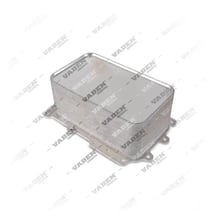
An oil cooler is an engine component that regulates the temperature of the engine oil and prevents the engine from overheating. As the engine runs, friction raises the oil temperature; the oil cooler draws this hot oil, cools it, and sends it back into circulation. This keeps the engine lubricated at an ideal, stable temperature and protects internal components from premature wear. In heavy-duty trucks, buses, and trailers, engine oil is subjected to long hours of high load and high heat, which makes the oil cooler essential to engine durability and safety. It should not be confused with the engine cooling system (radiator), which handles the coolant/antifreeze circuit; the oil cooler works directly on the engine oil circuit.
Key Functions of the Oil Cooler
- Temperature Control: Keeps engine oil at an optimal temperature, protecting internal components from overheating.
- Reduces Engine Wear: Lower, more stable oil temperature extends the life of pistons, the crankshaft, and bearings.
- Optimizes Fuel Consumption: Properly cooled oil reduces friction and energy loss inside the engine, supporting fuel efficiency.
- Improves Engine Performance: Stable oil temperature helps the engine run more efficiently and consistently.
- Extends Engine Life: Less wear and longer-lasting oil mean less maintenance and lower long-term costs.
Oil Cooler Technical Specification Overview
| Specification | Description |
|---|
| Material | Housing, tubes, and gaskets built to withstand high temperature and pressure |
| Compatibility / Vehicle Type | Trucks, tractor units, buses, and trailers; heavy-duty diesel engines |
| OE Match Approach | Manufactured to OEM cooling capacity and dimensional standards |
| Installation | Mounted to the engine block via bracket; sealed with a gasket, professional fitting recommended |
| Service Interval | Typically inspected every 50,000-100,000 km; sooner if engine temperature fluctuates |
| Sub-Components | Tube, bracket, gasket, housing, cover, thermostat, repair kit |
Oil Cooler Components and Sub-Parts
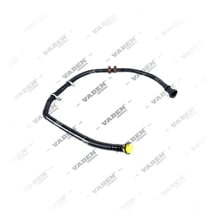
- Tube (Oil Flow Line): Carries oil from the engine to the cooler and back into the engine.
- Bracket: Secures the oil cooler firmly to the engine and minimizes vibration.
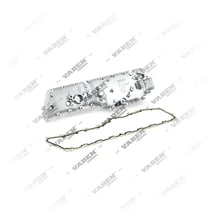
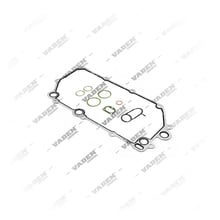
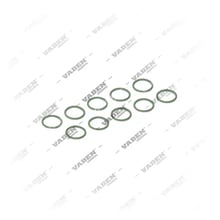
- Gasket: Prevents oil leaks and keeps the system sealed and reliable.
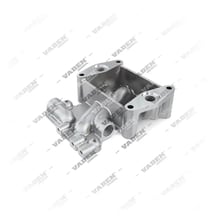
- Housing: The main structure that shields the oil cooler from impact and external damage.
- Cover: Regulates oil inlet and outlet flow for balanced, efficient cooling.
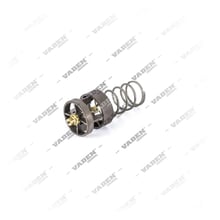
- Thermostat: Continuously monitors oil temperature to optimize the cooling process.
- Repair Kit: Contains the gaskets and small parts needed to service a faulty oil cooler.
Oil Cooler Maintenance Tips
- Schedule Regular Inspections: Have the oil cooler checked every 50,000-100,000 km, or sooner if you notice engine temperature swings.
- Check the Gasket and Bracket: Inspect the gasket and bracket condition at every service to confirm sealing and secure mounting.
- Watch the Coolant: Oil residue in the radiator or expansion tank can indicate a damaged oil cooler and calls for immediate inspection.
- Monitor for Oil Leaks: Regularly check connection points for signs of leakage.
- Choose OEM-Grade Parts: Use OEM-standard components like VADEN ORIGINAL for correct cooling capacity and fitment.
- Use Professional Installation: Leave the oil cooler and repair kit fitting to a qualified workshop to guarantee proper sealing.
Common Oil Cooler Faults and Fixes
- Rising Engine Oil Temperature: Cause: The oil cooler may be clogged. Fix: Have it inspected and replaced if necessary.
- Oil Traces in the Coolant: Cause: A damaged oil cooler letting oil and coolant mix. Fix: Replace the cooler and gasket, then flush the system.
- Engine Overheating: Cause: The oil cooler isn't functioning properly, or the thermostat has failed. Fix: Inspect both the thermostat and the cooler.
- Oil Leaks: Cause: Worn gasket or loose bracket connection. Fix: Renew the gasket and bracket using a repair kit.
- Reduced Performance: Cause: Contaminated or overheated oil lowers engine performance. Fix: Replace the oil cooler and refresh the engine oil.
Why Choose a VADEN ORIGINAL Oil Cooler
- Superior Material Quality: Housing, tubes, and gaskets built to withstand high temperature and pressure for long service life.
- Optimal Cooling Capacity: Keeps oil temperature at the ideal level, boosting engine performance and efficiency.
- OEM-Standard Manufacturing: Fully compliant with the quality and dimensional standards set by vehicle manufacturers.
- Lower Fuel Consumption: Reduced friction and wear translate into longer engine life and better fuel economy.
- Wide Product Range: Options for Mercedes-Benz, MAN, Scania, Volvo, DAF, Iveco, Renault, BMC, and Ford heavy-duty models.
- Technical Support: Professional guidance on correct part selection and installation.
Frequently Asked Questions (FAQ)
What does an oil cooler do?
An oil cooler regulates engine oil temperature to prevent overheating, reduces wear, optimizes fuel consumption, and extends engine life.
How often should an oil cooler be checked?
It should generally be inspected every 50,000-100,000 km. Have it checked sooner if you notice engine temperature fluctuations.
Can a faulty oil cooler damage the engine?
Yes. A faulty oil cooler can cause engine oil to overheat, which can lead to serious engine damage over time.
What are the symptoms of a failing oil cooler?
Common symptoms include a dashboard oil temperature warning, oil residue in the radiator or expansion tank, engine overheating, and oil leaks at connection points.
Is there a difference between an OEM-grade oil cooler and an aftermarket one?
Yes. OEM-standard parts are more durable and fit the engine precisely. Cheaper aftermarket parts can wear out quickly, develop sealing issues, and put the engine at risk.
Is the oil cooler the same part as the radiator?
No. The radiator cools the engine's coolant/antifreeze circuit, while the oil cooler cools the engine oil directly to protect the lubrication system. The two components work on separate circuits.
Conclusion
The oil cooler is a critical spare part that keeps heavy-duty vehicle engines running at the right temperature with minimal wear. By keeping the engine cool, it reduces wear, supports fuel economy, and boosts performance. Regular inspection and correct installation help protect your engine's health for years to come. Choose a VADEN ORIGINAL oil cooler for dependable performance and true OEM fitment.
Related articles: What Is an Oil Cooler? Failure Symptoms and Rupture