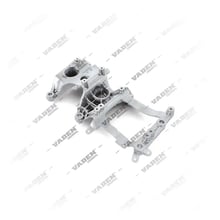
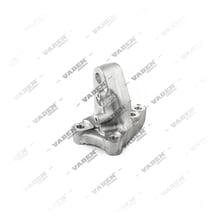
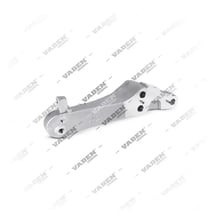
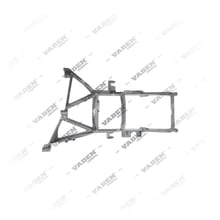
What Is a Truck Chassis?
A chassis is the main structural frame that every other system on a vehicle is mounted to. On heavy commercial vehicles, the engine, transmission, suspension, axles, cabin and load body all bolt onto this skeleton, which makes the chassis the single component that determines a truck's durability, payload capacity and road safety. In trucks, tractor units, buses and trailers, a rigid, well-engineered chassis frame is what allows heavy loads to be hauled safely and predictably over the long haul. VADEN ORIGINAL chassis components are engineered for high load endurance and long service life, keeping heavy vehicles safe and stable under demanding conditions.
How Does a Chassis Work and What Does It Do?
- Load distribution: Spreads vehicle and cargo weight evenly across the axles, suspension and wheels so stress never concentrates at a single point.
- Structural backbone: Anchors the engine, transmission, cabin and trailer coupling so every major assembly stays correctly aligned and works together.
- Shock and vibration absorption: Absorbs the flex, twist and impact loads generated on rough roads and under heavy payloads, improving road holding and ride comfort.
- Stability and safety: Keeps the vehicle balanced through cornering, braking and sudden maneuvers, and helps manage impact energy in a controlled way during a collision.
Main Components and Sub-Categories
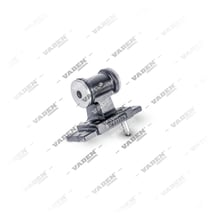
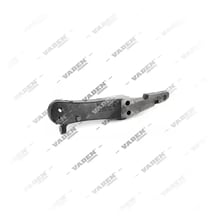
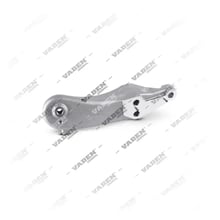
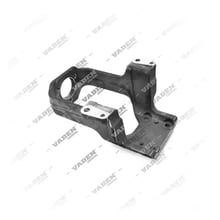
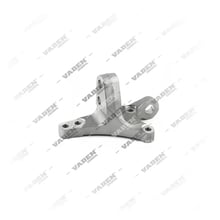
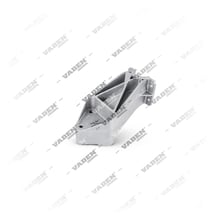
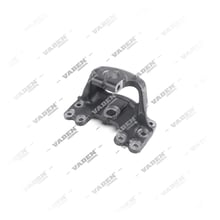
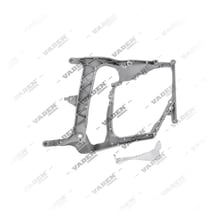
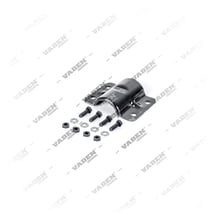
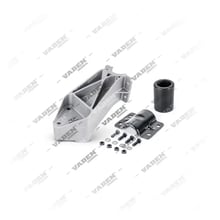
- Mounting Brackets: Load-bearing brackets that connect the chassis frame to the suspension, engine, cabin and other major assemblies; the core sub-category for overall chassis stability and secure fitment.
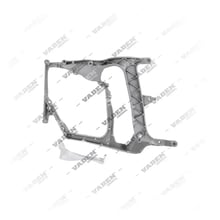
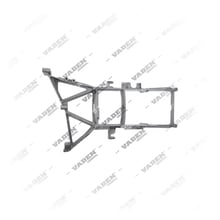
- Main Frame Rails: The longitudinal rails that form the vehicle's backbone, providing the base structure everything else is fastened to.
- Cross Members: Connect the frame rails across the width of the chassis, boosting torsional rigidity and helping distribute load evenly along the frame.
- Bracket Clamps: Secure brackets tightly in place to prevent vibration and loosening, ensuring a durable, reliable connection over time.
- Suspension Mounts: Link the chassis to the suspension system so the wheels track the road surface evenly and predictably.
- Engine Mounts and Fixings: Anchor the engine securely to the chassis while minimizing vibration transfer into the cab and frame.
- Cabin Mounting and Repair Kits: Keep the cabin firmly attached to the chassis and allow worn mounting points to be restored during repair.
- Impact-Absorbing Sections: Controlled crumple zones that manage collision energy to protect driver and passenger safety.
Chassis System Technical Summary
| Specification | Description |
|---|
| Scope | Main frame rails, cross members, mounting brackets, clamps and structural fasteners |
| Vehicle types | Trucks, tractor units, buses, trailers and other heavy commercial vehicles |
| Compatibility | Mercedes-Benz, MAN, Scania, Volvo, DAF, Iveco, Renault, BMC, Ford and equivalent models |
| System / standard | Ladder-frame chassis construction manufactured to international quality and durability standards |
| OE-equivalent approach | Matched to OEM reference numbers and mounting dimensions for a direct fit with original geometry |
| Material | High-strength structural steel profile, sized for the required load and torsional resistance |
| Maintenance | Periodic inspection of surface condition, cracks, corrosion and fastener torque is recommended |
What Types of Chassis Are There?
- Ladder Frame Chassis: Two longitudinal rails joined by cross members; the most widely used design in heavy-duty trucks, tractor units and trailers thanks to its high load and torsional strength.
- Monocoque Chassis: Body and frame form a single integrated structure; common in passenger cars and light vehicles, but rarely used in heavy commercial vehicles.
- Steel Chassis: Delivers high strength and durability, and remains the standard solution for load-carrying commercial vehicles.
- Aluminum / Lightweight Alloy Chassis: Reduces overall weight to improve fuel efficiency; a strong yet lighter option chosen for specific applications.
How to Choose the Right Chassis Part
- OEM reference number: Match the part to the OE number stamped on the original component or listed in the vehicle catalog — this is the most reliable way to guarantee fitment.
- Make and model compatibility: Confirm the vehicle brand, model and production year against options such as Mercedes-Benz, MAN, Scania, Volvo, DAF, Iveco, Renault, BMC or Ford.
- Dimensions and bolt pattern: Check mounting hole positions, axle spacing and profile thickness on brackets, clamps and cross members before ordering.
- Load and tonnage class: Choose a part rated for the vehicle's payload capacity to avoid premature fatigue and early failure.
- Material and coating: Favor corrosion-resistant steel components with a proper protective coating for long-term reliability.
Chassis Maintenance and What to Watch For
- Surface inspection: Check the frame regularly for rust, cracks and wear; catching issues early prevents costly structural repairs down the line.
- Fastener torque: Verify that all brackets, clamps, suspension mounts and cross-member fixings are secure and torqued to specification.
- Impact-absorbing sections: Inspect crumple zones and energy-absorbing sections for integrity to keep collision safety intact.
- Alignment and wheel tracking: A bent or misaligned frame causes uneven handling; have alignment checked on a regular schedule.
- Corrosion prevention: Apply rust-preventive coatings and clean the frame regularly, especially on vehicles operating in salted or humid environments.
Common Chassis Problems and How to Fix Them
- Cracks in the frame rail: Cause: overloading, repeated impact or metal fatigue. Fix: have the cracked section inspected by a specialist and replace the affected bracket or profile if required.
- Vehicle pulling to one side: Cause: a bent frame or loose suspension mounting. Fix: check alignment and mounting points, then re-torque or replace as needed.
- Increased vibration or unusual noise: Cause: loosening or wear at bracket, clamp or cross-member connections. Fix: inspect the fasteners and renew any worn hardware.
- Suspension issues: Cause: worn chassis-to-suspension mounting brackets. Fix: replace the mounting brackets and clamps with OE-equivalent parts.
- Corrosion and rust: Cause: moisture, road salt or coating damage. Fix: clean the affected area and apply rust protection; replace the part if corrosion is advanced.
Why Choose VADEN ORIGINAL?
- High durability: Chassis components engineered specifically for heavy-load commercial vehicles and long service life.
- Superior quality: Manufactured to international standards under strict quality control.
- Maximum safety: Impact-absorbing design and secure mounting solutions support safer driving.
- Lower maintenance costs: Robust components mean longer service intervals and reduced upkeep expense.
- Wide product range: Chassis parts engineered to fit Mercedes-Benz, MAN, Scania, Volvo, DAF, Iveco, Renault, BMC, Ford and equivalent makes and models.
Frequently Asked Questions (FAQ)
What is a truck chassis and what does it do?
A truck chassis is the main frame that carries every other system on the vehicle. It ties the engine, suspension, cabin and cargo load into one rigid structure, handling load distribution, stability and overall road safety.
What type of chassis is used on heavy commercial vehicles?
Trucks, tractor units, buses and trailers overwhelmingly use a ladder-frame steel chassis. This design is favored for heavy-duty applications because it offers superior load capacity and torsional strength.
Can a cracked chassis frame be repaired?
A cracked frame should always be inspected by a qualified specialist before any repair, since it's a safety-critical structure. In some cases welding repair is possible, but replacing damaged brackets and mounting hardware with OE-equivalent parts is the safest long-term fix.
What should I check before buying a chassis part?
Start with the OEM reference number, then confirm the vehicle make, model and production year along with bracket dimensions and bolt hole spacing. Choosing a part rated for the correct load class is also essential.
What does a chassis mounting bracket do?
A mounting bracket connects the chassis frame to major assemblies like the suspension, engine and cabin. It's a core structural part responsible for overall stability and secure installation.
What are the warning signs of a chassis problem?
Watch for the vehicle pulling to one side, increased vibration or unusual noise, suspension issues, and visible cracks or rust on the frame. Any of these warrant a prompt inspection.
Which truck brands are VADEN ORIGINAL chassis parts compatible with?
VADEN ORIGINAL chassis components are manufactured to fit a wide range of makes and models, including Mercedes-Benz, MAN, Scania, Volvo, DAF, Iveco, Renault, BMC and Ford.
How often should chassis maintenance be performed?
Surface condition, cracks, corrosion and fastener torque should be checked at every scheduled maintenance interval. Vehicles operating on rough roads or under heavy payloads should be inspected more frequently.
Conclusion
The chassis is the foundation of safe, stable and long-lasting performance in any heavy commercial vehicle, and routine maintenance paired with durable components directly protects that performance. Strengthen your heavy-duty vehicle's chassis system with VADEN ORIGINAL parts, engineered to international quality standards.
Related technical guide: Chassis Mounting Bracket: Failure, Replacement & Care Guide
Related technical guide: Chassis Mounting Bracket: Crack, Loosening and Replacement Guide