What Is the Electric System?
The electric system is the network that generates, stores, and distributes the power a vehicle needs to start its engine, run the lighting, and operate every electrically driven component on board. In heavy commercial vehicles, it's built from the starter motor, alternator, battery, fuse box, relays, voltage regulator, and wiring harness. Headlights, indicators, the starter circuit, air conditioning, wipers, and the engine control unit all depend on a healthy electric system to function. Trucks, tractor units, and trailers typically run a 24-volt electrical architecture, and the condition of this system directly determines both whether the vehicle starts and how safely it can be driven.
How Does the Electric System Work?
- Energy storage: The battery stores the energy that keeps the electric system powered even with the engine off, and delivers the high current needed for starting.
- Energy generation: The alternator converts mechanical energy into electrical energy once the engine is running, recharging the battery and powering every connected component.
- Initial cranking: The starter motor turns the engine over, producing the initial rotation needed to get it running.
- Voltage regulation: The voltage regulator stabilizes the alternator's output so the whole system runs safely and consistently.
- Current protection and control: The fuse box and relays regulate current flow, prevent overload, and switch specific circuits on and off as needed.
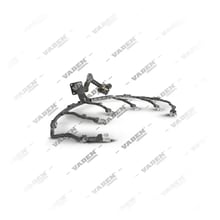
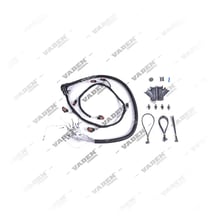
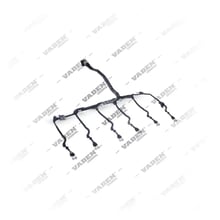
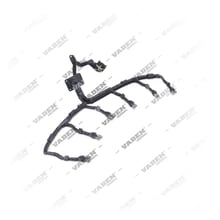
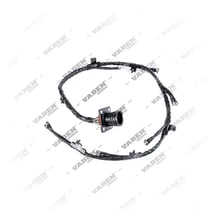
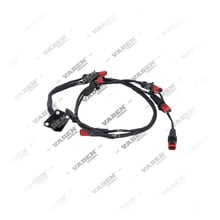
- Power distribution: Wiring harnesses and connectors carry current to every point on the vehicle without loss or interruption.
Core Components and Sub-Categories
- Connection Equipment: Cable sockets, terminals, connectors, and fittings that ensure current transfers safely and cleanly between components.
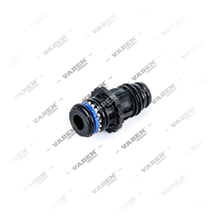
- Injectors: Electronically controlled fuel injectors that spray precisely metered, precisely timed fuel into the combustion chamber, optimizing efficiency and emissions.
- Motors: Starter motors and electric motor components that produce the motion needed to start the vehicle and drive electromechanical functions.
- Alternator: The generating unit that recharges the battery while the engine runs and keeps every electrical component supplied with uninterrupted power.
- Battery: The system's energy reservoir — it delivers high current on startup and powers components whenever the engine is off.
- Fuse Box and Relays: Control units that protect circuits from overcurrent and manage the switching of systems on and off.
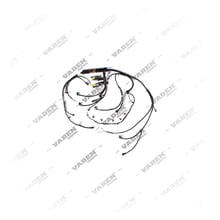
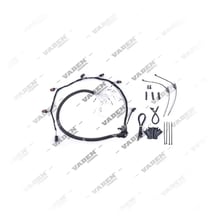
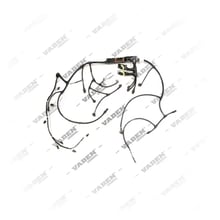
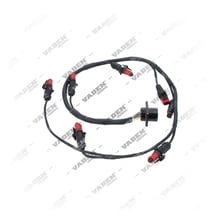
- Wiring Harness and Regulator: The harness distributes current across the whole system, while the voltage regulator keeps output stable — together they keep the electric system running smoothly.
Technical Summary
| Specification | Details |
|---|
| Scope | Starter motor, alternator, battery, fuse box, relays, voltage regulator, wiring harness, injectors, and connection equipment |
| Vehicle type | Heavy commercial vehicles: trucks, tractor units, trailers, buses |
| Voltage / system | Typically a 24V commercial vehicle electrical system (varies by component) |
| Compatibility | Fits OE brands and models including Mercedes-Benz, MAN, Scania, Volvo, DAF, Iveco, Renault, BMC, and Ford |
| OE-equivalent approach | Manufactured to original equipment standards, matched by OEM reference number |
| Quality / standard | ISO-based manufacturing and quality control processes |
| Maintenance | Periodic inspection of the battery, alternator, fuses, relays, and wiring harness is recommended |
Types of Electric System Components
- Alternator types: Available in different amperage ratings and pulley configurations, selected according to the vehicle's electrical load and model.
- Starter motor types: Reduction-gear and direct-drive starter motors, which differ based on engine displacement and torque requirements.
- Battery types: Lead-acid, EFB, and AGM battery technologies, varying by capacity (Ah) and cold cranking amps (CCA).
- Relay and fuse variants: Blade fuses rated for different current levels, power relays, and multi-relay/fuse modules.
- Wiring harness variants: Harnesses built with different gauges and connector layouts for the chassis, engine bay, and cabin.
- Injector variants: Electronically controlled and common-rail-compatible injectors that vary by engine type and emissions standard.
How to Choose the Right Electric System Part
- Verify the OEM number: Use the original equipment (OEM) reference number printed on the part being replaced — it's the most reliable way to confirm a match.
- Confirm make and model: Pin down the vehicle's make, model, production year, and engine type to verify compatibility.
- Check voltage and capacity: Alternator amperage, battery capacity (Ah/CCA), and system voltage (typically 24V) must match what the vehicle requires.
- Match connector type: Connector type, pin count, and wire gauge need to line up exactly with the existing wiring.
- Compare physical dimensions: Mounting holes, pulley diameter, and bracket size should match the original part.
- Get technical support: If you're unsure, ask the VADEN ORIGINAL sales and technical team to confirm compatibility before ordering.
Maintenance and What to Watch For
- Battery and alternator checks: Regularly check the battery's charge state and terminals, and confirm the alternator is producing the correct voltage.
- Fuse and relay inspection: Inspect the fuse box and relays periodically, and replace any that show corrosion or burnout.
- Wiring harness inspection: Check wiring for wear, breaks, chafing, or damaged insulation to prevent short-circuit risk.
- Clean connection points: Keep terminals and connectors free of oxidation and tighten any loose connections.
- Regulator maintenance: Check the voltage regulator periodically to prevent overcharging or undercharging.
- Protect against moisture and corrosion: Shield electrical components from moisture, water, and salt exposure, and inspect connections more frequently under harsh operating conditions.
Common Faults and How to Fix Them
- Vehicle won't crank: Cause: A discharged battery or faulty starter motor. Fix: Check battery charge and voltage, charge or replace it if needed, then inspect the starter motor and its connections.
- Headlights are dim: Cause: The alternator isn't charging enough, or the battery is weak. Fix: Test alternator output voltage and check belt tension and battery health.
- Electronics flicker or stop working: Cause: A break in the wiring harness, a loose connector, or a faulty relay. Fix: Inspect the harness and sockets, and replace any faulty relay.
- Specific systems suddenly stop working: Cause: The fuse for that circuit has likely blown. Fix: Check the fuse box and replace with the correct amperage; if it recurs, investigate the circuit for a short.
- Battery keeps draining: Cause: The alternator isn't charging, the regulator is faulty, or there's a parasitic draw. Fix: Test the charging system and regulator, and measure for parasitic draw while parked.
- Dashboard warning lights: Cause: Could stem from a sensor, wiring connection, or electronic control unit. Fix: Read the fault codes and have the related component and connections inspected.
Why Choose VADEN ORIGINAL?
- OE-standard manufacturing: Electric system components built to original equipment quality, engineered to withstand heavy-duty operating conditions.
- Durable materials: Long-lasting, high-performance solutions built for the intensive daily use of trucks, tractor units, and trailers.
- Wide product range: Components compatible with major OE brands and models, including Mercedes-Benz, MAN, Scania, Volvo, DAF, Iveco, Renault, BMC, and Ford.
- Maximum safety: Reliable power supply and secure electrical connections that support safer driving.
- Expert technical support: Experienced technical support for part selection, installation, and maintenance.
Frequently Asked Questions (FAQ)
What voltage does a commercial truck's electric system run on?
Heavy commercial vehicles typically run a 24-volt electric system. Since this can vary by make and component, always confirm the OEM reference and system voltage before ordering a replacement part.
What are the signs of a failing alternator?
Dim headlights, a battery that keeps draining, a charge warning on the dashboard, and erratic behavior from electronic components are the most common signs of alternator failure. Have the alternator's output voltage tested to confirm.
Why won't my truck crank?
The most common causes are a discharged battery, a faulty starter motor, or loose/corroded connections. Start by checking battery voltage and terminals, then inspect the starter motor and its wiring.
How do I choose the right electric system replacement part?
The most reliable method is matching the part's original equipment (OEM) reference number. You should also confirm the vehicle's make, model, production year, engine type, and connector/voltage compatibility.
Why does a fuse keep blowing?
A fuse that blows repeatedly usually points to a short circuit or overload in that specific circuit. Install a fuse of the correct amperage, and if the problem persists, have the wiring harness and connected components checked.
How often should I check the battery?
Check the battery's charge state, terminals, and connections during routine maintenance, and especially at seasonal changes. A weak battery hurts starting performance and strains the whole electric system.
Which vehicles are VADEN ORIGINAL electric system parts compatible with?
VADEN ORIGINAL supplies OE-standard electric system components compatible with major heavy commercial vehicle brands, including Mercedes-Benz, MAN, Scania, Volvo, DAF, Iveco, Renault, BMC, and Ford.
Why does wiring harness damage matter so much?
Wear, breaks, or damaged insulation in a wiring harness can cause short circuits, parasitic current drain, and component failures. Regular inspection significantly reduces the risk of electrical fires and breakdowns.
Conclusion
The electric system powers everything from engine startup to lighting and safety equipment, making it one of the most critical systems on any commercial vehicle. Regular maintenance paired with OE-quality components delivers uninterrupted power, driving safety, and long service life for trucks, tractor units, and trailers. Choose VADEN ORIGINAL electric system solutions to keep your commercial vehicle running at peak performance and safety.
Related articles: What Is a Charging Alternator? Its Function and Alternator Failure Symptoms · What Is a Starter Motor? Failure Symptoms and Brush Replacement