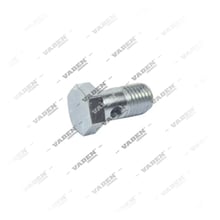
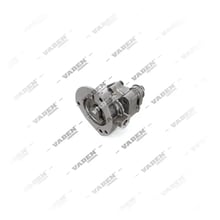
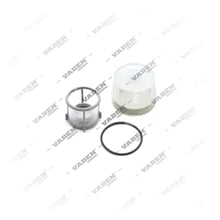
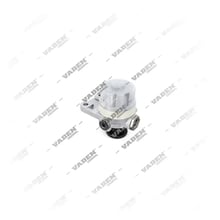
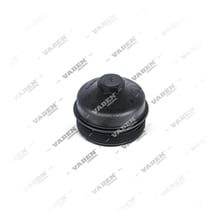
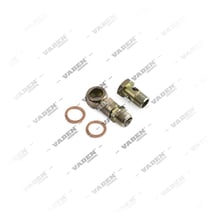
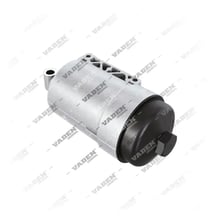
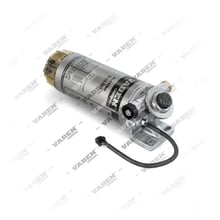
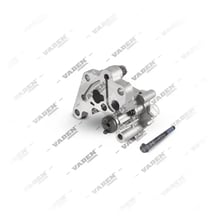
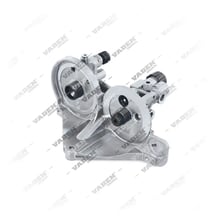
What Is a Fuel System?
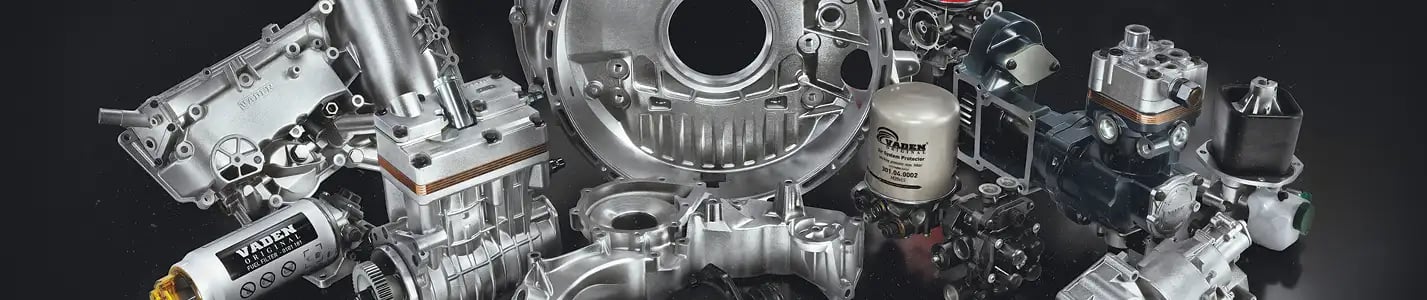
A fuel system is the complete set of components that draw diesel from the tank, filter out contaminants, and deliver it to the combustion chamber at the correct volume and pressure. It is the backbone of efficient, low-emission diesel combustion, relying on the coordinated work of the feed pump, fuel filter, injection pump, injection lines, and fuel tank. On heavy commercial vehicles, the fuel system must deliver consistent power output over long hauls and under heavy load, trip after trip. VADEN ORIGINAL manufactures durable, high-performance replacement parts engineered specifically for this critical system on commercial trucks.
How Does the Fuel System Work?
- Fuel draw: The feed pump (and fuel pump, where fitted) pulls diesel from the tank and maintains steady flow through the rest of the system.
- Filtration: The fuel filter strips out dirt, dust, water, and other contaminants so the engine only ever runs on clean fuel.
- Pressurization: The injection pump pressurizes the fuel and sends it on to the injection lines and injectors.
- Atomization and combustion: Injectors spray fuel precisely into the combustion chamber, while the solenoid coil and control valves regulate flow to match engine demand.
- Fuel return: Unused fuel is routed back to the tank via the fuel return line, keeping system pressure balanced and stable.
Core Components and Sub-Categories
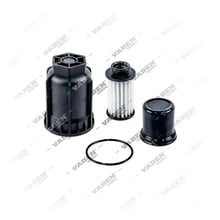
- AdBlue Filter: Filters the AdBlue (urea/DEF) solution on SCR-equipped vehicles, ensuring clean flow to the dosing unit and supporting emissions control.
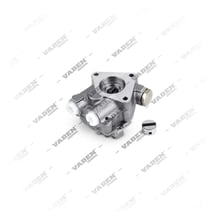
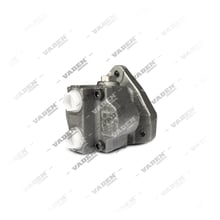
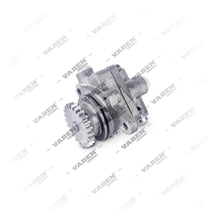
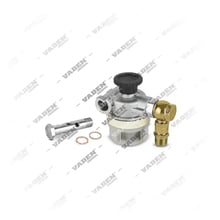
- Feed Pump: Draws fuel from the tank into the fuel line, giving the engine a steady, uninterrupted fuel supply.
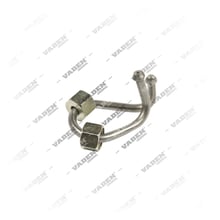
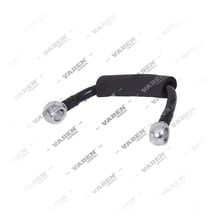
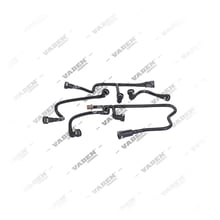
- Injection Line: The high-pressure-rated piping that carries fuel from the injection pump to the injectors.
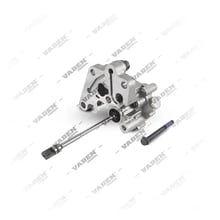
- Injection Pump: Pressurizes fuel and delivers it to the injectors, forming the foundation of efficient combustion.
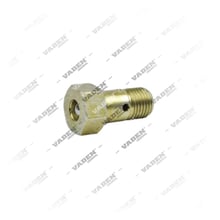
- Control Valve: Regulates fuel flow and pressure to keep the system stable and consistent under varying loads.
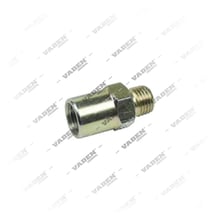
- Fuel Return Line: The line and fittings that route excess fuel back to the tank, maintaining pressure balance and fuel circulation.
- Solenoid Coil: An electrically controlled component that governs fuel flow so the engine draws only the fuel it needs.
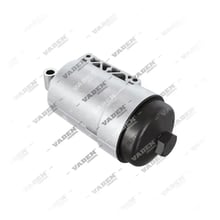
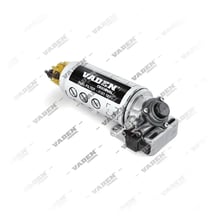
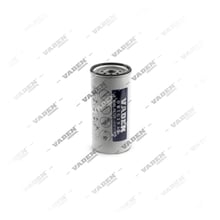
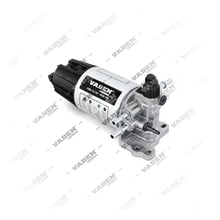
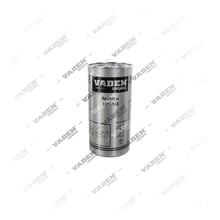
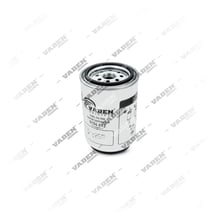
- Fuel Filter: Removes dirt, dust, and water so the engine runs smoothly on clean fuel.
- Fuel Pump: Delivers fuel from the tank to the combustion chamber, matching supply to engine demand.
- Fuel Tank: Stores fuel safely; its cap and seals shield the fuel from contamination and leaks.
Fuel System Technical Summary
| Attribute | Details |
|---|
| Coverage | Feed pumps, injection pumps, fuel filters, injection lines, fuel tanks, and related components |
| Vehicle types | Heavy commercial vehicles: trucks, tractor units, trailers, buses |
| Compatibility | Common heavy-vehicle makes and models including Mercedes-Benz, MAN, Scania, Volvo, DAF, Iveco, Renault, BMC, Ford |
| System / standard | Diesel fuel systems, common-rail and conventional injection; Euro 5 / Euro 6 emissions compatibility |
| Quality approach | OE-equivalent design, ISO-based quality control processes, high-pressure durability |
| Maintenance | Scheduled fuel filter changes, seal and connection checks, pressure and leak testing |
Types of Fuel Systems
- Common-rail systems: Modern diesel systems that maintain high, constant pressure through a shared fuel rail, delivering lower emissions and higher efficiency.
- Conventional injection systems: Classic diesel systems driven by an in-line injection pump; still common across many heavy-vehicle models.
- Mechanical fuel systems: Systems built around mechanical feed and injection pumps, prized for their ruggedness and simplicity.
- Electronically controlled systems: Systems that use solenoid coils and control valves to manage fuel flow electronically for precise dosing.
- SCR / AdBlue-integrated systems: Fuel systems that work alongside AdBlue filters and dosing components to reduce emissions.
How Do You Choose the Right Fuel System Part?
- Verify the OEM number: Match the replacement part to the vehicle's original (OE) part number to guarantee a correct fit.
- Confirm make and model: Pin down the exact make and model — Mercedes-Benz, MAN, Scania, Volvo, DAF, Iveco, Renault, BMC, and others all vary.
- Check engine and system type: Common-rail or conventional, engine code, and injection type all determine which part fits.
- Match dimensions and fittings: Confirm line diameter, connector type, thread and seal sizes, and pressure ratings line up.
- Account for emissions standard: Factor in Euro 5 / Euro 6 compliance and AdBlue system requirements based on the vehicle's specification.
- Choose genuine OE-equivalent quality: Opt for parts like VADEN ORIGINAL that are OE-equivalent, pressure-rated, and quality-tested.
Fuel System Maintenance Tips
- Replace the fuel filter on schedule: Change the filter at the manufacturer's recommended intervals to keep the engine running on clean fuel.
- Check for leaks: Regularly inspect every connection, seal, and line for signs of fuel leakage.
- Test pressure and pump condition: Have the feed pump and injection pump tested periodically to confirm they're producing correct pressure.
- Service injectors: Check injector spray quality — clogging or dribbling injectors quickly erode engine performance.
- Use quality fuel: Fill with clean, vehicle-appropriate diesel; poor-quality fuel shortens filter and pump life.
- Inspect the AdBlue system: On SCR-equipped vehicles, check the AdBlue filter and dosing line on a regular basis.
Common Fuel System Problems and Fixes
- Fuel leaks: Usually caused by a worn seal or loose fitting; inspect and replace seals and connections as needed.
- Low fuel pressure: Often traced to a faulty feed or injection pump, or a clogged filter; pressure-test the system and replace the failed part.
- Clogged fuel filter: Results from contaminated fuel or overdue maintenance; replace the filter on schedule and use quality fuel.
- Hard starting or power loss: Can stem from an air leak, low pressure, or a faulty injector; check the lines for air ingress and test injectors and pump.
- Excessive fuel consumption: A faulty injector, control valve, or solenoid coil can throw off dosing; inspect and replace the affected component.
- Poor combustion and black smoke: Typically linked to dirty fuel, a clogged filter, or incorrect injection; filter and injector checks restore clean combustion.
Why Choose VADEN ORIGINAL?
- Durable materials: Built from quality materials engineered for high pressure and heavy-duty conditions, ensuring a long service life.
- High performance: Delivers fuel to the injectors at correct pressure, supporting efficient, reliable engine operation.
- Broad compatibility: Fits a wide range of heavy-vehicle makes and models, including Mercedes-Benz, MAN, Scania, Volvo, DAF, Iveco, Renault, BMC, and Ford.
- OE-equivalent quality: Manufactured to international standards under ISO-based quality control processes.
- Lower maintenance costs: Wear-resistant components help minimize maintenance and breakdown costs over time.
- Reliable supply: Consistent, dependable parts availability for heavy commercial vehicle operators.
Frequently Asked Questions (FAQ)
What does a fuel system do?
A fuel system draws diesel from the tank, filters it, and delivers it to the combustion chamber at the correct volume and pressure — keeping the engine efficient, powerful, and low-emission.
How often should I replace the fuel filter?
Replace the fuel filter at the intervals set by the manufacturer. If you notice power loss, hard starting, or you've been running lower-quality fuel, have it checked sooner.
What causes low fuel pressure?
The most common causes are a clogged fuel filter, a failing feed or injection pump, or an air leak in the lines. A pressure test will pinpoint the faulty component so it can be replaced.
How do I pick the right fuel system part for my truck?
Start by confirming the vehicle's OEM part number, make, model, and engine type. Then match dimensions, fittings, and pressure ratings, and choose an OE-equivalent quality part.
What's the difference between common-rail and conventional fuel systems?
Common-rail systems maintain high, constant pressure through a shared fuel rail, giving lower emissions and higher efficiency. Conventional systems use an in-line injection pump in a more traditional diesel layout.
How can I tell if my fuel system is leaking?
Watch for fuel puddles under the vehicle, a fuel smell, rising consumption, or power loss. Inspect seals and connections and replace any worn parts immediately.
Is the AdBlue filter part of the fuel system?
The AdBlue filter serves SCR-equipped vehicles by filtering the urea solution before it reaches the dosing unit. It's closely tied to emissions control and should be checked regularly alongside the fuel system.
Which vehicles do VADEN ORIGINAL fuel system parts fit?
VADEN ORIGINAL fuel system components are engineered as OE-equivalent solutions for Mercedes-Benz, MAN, Scania, Volvo, DAF, Iveco, Renault, BMC, Ford, and other major heavy-vehicle makes and models.
Conclusion
The fuel system is mission-critical to the performance, fuel efficiency, and emissions compliance of heavy commercial vehicles. Regular maintenance and genuine-quality replacement parts extend engine life while cutting operating costs. For trucks, tractor units, and trailers that need to keep running, trust VADEN ORIGINAL for reliable, long-lasting, high-performance fuel system solutions.
Related articles: What Is AdBlue? What Does It Do, and What Happens When It Runs Out?
Related technical guide: Diesel Injection Pump: Faults, Replacement & Maintenance
Main technical guide: What Is a Fuel Injector? How to Recognize Injector Failure Symptoms