What Is a Suspension System?
A suspension system is the group of components that absorbs shocks and vibration from the road surface, keeps the wheels in continuous contact with the ground, and maintains vehicle stability and handling. In heavy commercial vehicles, it's built from shock absorbers, springs (leaf springs or air bellows), bushings, control arms, stabilizer links and, on modern trucks, electronic control components. This system affects far more than comfort — it directly influences braking distance, cornering stability and tire wear. VADEN ORIGINAL suspension parts are built to handle the demands of trucks, tractor units and trailers running under heavy load, mile after mile.
How Does the Suspension System Work?
As the wheel meets a bump or dip in the road, the springs flex to absorb the impact, while the shock absorbers dampen that motion so the vehicle doesn't bounce or oscillate. Most heavy commercial vehicles use air suspension: compressed air fed into air bellows keeps ride height and softness consistent regardless of load. The ECAS electronic control system reads data from height sensors and uses solenoid and level valves to add or bleed air from the bellows, automatically adjusting chassis height. This lets a trailer align precisely with a loading dock, improves cornering stability, and delivers a level, predictable ride whether the vehicle is empty or fully loaded.
Key Components and Subcategories
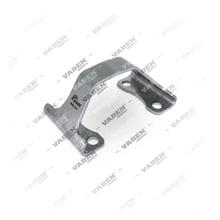
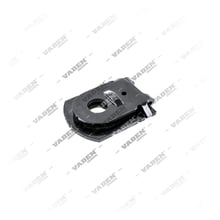
- Bracket: The structural mounting point that secures suspension parts, air bellows and sensors to the chassis, holding position under vibration and load.
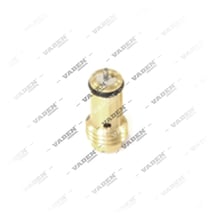
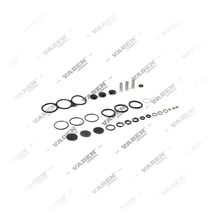
- Check Valve: Maintains air pressure in the air suspension circuit by allowing one-way flow, preventing the bellows from deflating.
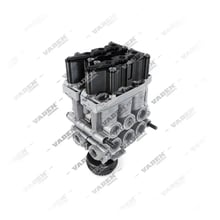
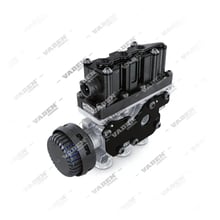
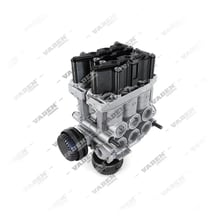
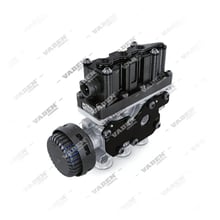
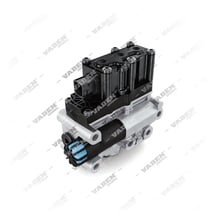
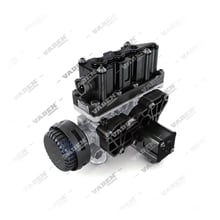
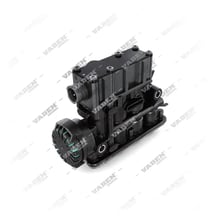
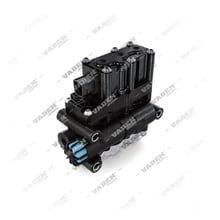
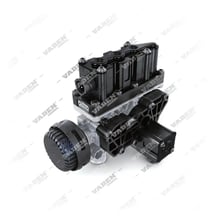
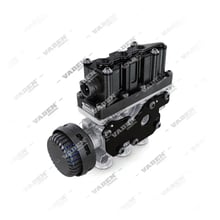
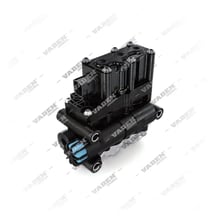
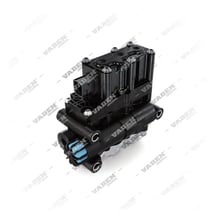
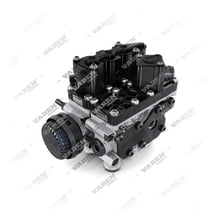
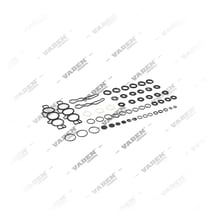
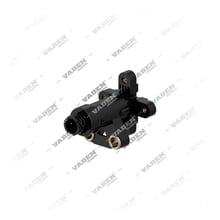
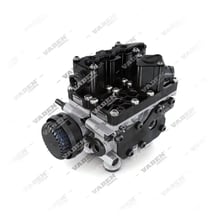
- ECAS Solenoid Valve: Directs airflow in electronic air suspension, filling or venting the bellows on command from the control unit to adjust ride height.
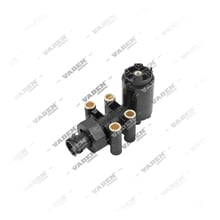
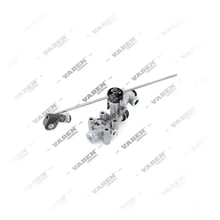
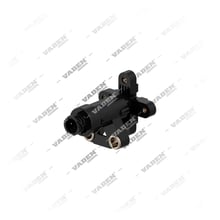
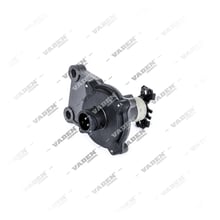
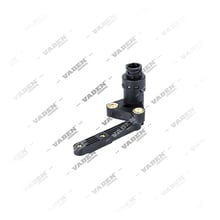
- ECAS Height Sensor: Measures the distance between chassis and axle to detect ride height, feeding data to the ECAS control unit for automatic level control.
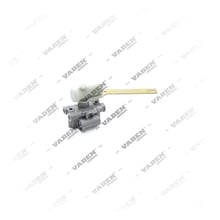
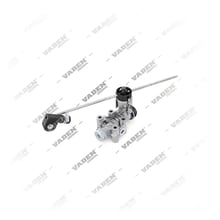
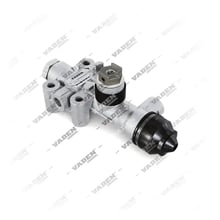
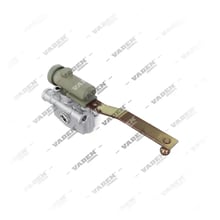
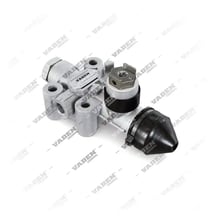
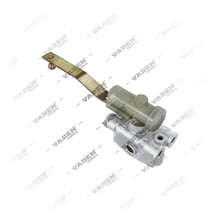
- Level Valve: Mechanically regulates the amount of air sent to the bellows based on load changes, keeping ride height constant and the vehicle balanced.
- Stabilizer Components: Anti-roll bars and stabilizer linkage reduce body roll and rollover risk during cornering and sudden maneuvers, improving driving safety.
Technical Summary
| Attribute | Detail |
|---|
| Coverage | Brackets, check valves, ECAS solenoid valves, ECAS height sensors, level valves, stabilizer components and related air suspension parts |
| Vehicle type | Heavy commercial vehicles: trucks, tractor units, trailers, buses and semi-trailers |
| System type | Mechanical leaf-spring suspension and Electronically Controlled Air Suspension (ECAS) |
| Compatibility | Applications for Mercedes-Benz, MAN, Scania, Volvo, DAF, Iveco, Renault, BMC, Ford and major trailer manufacturers |
| System/standard | Compatible with Wabco and Knorr-Bremse air suspension architecture, manufactured to relevant ISO/OE quality standards |
| OE-match approach | OE-equivalent parts matched by OE number and technical dimensions |
| Maintenance | Regular inspection of air bellows, valves, sensors and shock absorbers; checks for air leaks and correct ride-height calibration |
Types of Suspension Systems
- Mechanical (Leaf Spring) Suspension: A rugged, traditional design built on steel leaf springs, widely used on heavy-load vehicles and trailers.
- Air Suspension (Bellows): Uses air bellows to maintain ride height and comfort regardless of load — the standard on modern trucks and tractor units.
- ECAS Electronic Air Suspension: Automatically adjusts chassis height using height sensors, solenoid valves and a control unit for fully electronic ride control.
- Cab Suspension: Isolates the driver's cab from chassis vibration with its own shock absorbers and air bellows, improving driver comfort.
- Lift-Axle Suspension: An air suspension setup that lifts an auxiliary axle when running empty, reducing tire wear and fuel consumption.
How to Choose the Right Suspension Part
- OE Number: Use the OE number printed on the removed part as your primary reference — it's the most reliable way to match brackets, valves and sensors.
- Make, Model and Year: Confirm the vehicle's make, model, production year and chassis number to identify the correct application.
- System Architecture: Verify whether the vehicle runs a Wabco or Knorr-Bremse based air suspension system before matching a valve or sensor.
- Dimensions and Connector Type: Compare physical specs such as bracket bolt-hole spacing, valve port diameter, sensor arm length and connector type.
- Electronic Compatibility: For ECAS components, confirm the sensor or solenoid valve's signal protocol and pin layout match the vehicle's control unit.
Maintenance and What to Watch For
- Shock Absorber Checks: Inspect shock absorbers regularly for oil leaks, stiffness or excessive bouncing.
- Air Bellows and Leak Checks: Check bellows for cracks, wear or air leaks; catch pressure loss early before it affects ride height.
- ECAS and Sensor Checks: Regularly verify that height sensors and solenoid valves are functioning correctly and that level control stays stable.
- Level and Check Valve Inspection: Confirm level valve and check valve connections are free of leaks and properly tightened.
- Bracket and Linkage Inspection: Check brackets for cracks, corrosion or looseness, and inspect stabilizer linkage for play.
Common Suspension Problems and Fixes
- Vehicle sits lower on one side: Usually caused by an air bellows leak, a faulty level valve, or a blocked check valve; inspect and replace the affected valve or bellows.
- Increased vibration and noise: Typically due to worn bushings, tired shock absorbers or loose brackets; replace the worn components.
- Excessive body roll in corners: Points to worn or broken stabilizer linkage; replace the stabilizer component.
- Ride height won't adjust: Caused by a faulty ECAS height sensor, solenoid valve or wiring fault; test and replace the sensor or valve as needed.
- Compressor keeps cycling / pressure keeps dropping: A leak at the check valve or bellows keeps forcing the system to top up air; locate the leak and repair or replace the valve or bellows.
- Longer braking distance: Weak shock absorbers and unstable suspension reduce road grip; have the full suspension system inspected.
Why Choose VADEN ORIGINAL?
- Built for Heavy Duty: Suspension components engineered specifically for trucks, tractor units and trailers running under sustained heavy load.
- Superior Quality: Manufactured to international quality standards with rigorous quality-control processes for dependable performance.
- OE-Matched Fit: Compatible with Wabco and Knorr-Bremse architecture, matched precisely to OE part numbers.
- Better Road Holding: Balanced suspension behavior for a safer, more comfortable and more predictable ride.
- Broad Range: Coverage for Mercedes-Benz, MAN, Scania, Volvo, DAF, Iveco, Renault, BMC, Ford and more.
Frequently Asked Questions (FAQ)
What does a suspension system do?
It absorbs road shocks and vibration to improve ride comfort, keeps the wheels in contact with the road for better handling, and supports safe, stable braking. On heavy commercial vehicles it keeps the ride balanced even under heavy loads.
What is ECAS air suspension?
ECAS (Electronically Controlled Air Suspension) uses height sensors and solenoid valves to add or vent air from the suspension bellows automatically, keeping ride height and comfort consistent regardless of load.
What are the signs of a failing suspension?
Common signs include the vehicle sitting lower on one side, increased vibration or noise, excessive body roll in corners, reduced road holding, longer braking distances, and an air suspension system that keeps cycling air.
What does an ECAS height sensor do?
It measures the distance between the chassis and axle to determine ride height and sends that data to the ECAS control unit, which then decides how much air to add to or release from the bellows to keep height constant.
What's the difference between a level valve and a check valve?
A level valve adjusts the amount of air sent to the bellows based on load changes to keep ride height constant. A check valve allows air to flow in one direction only, holding system pressure and preventing the bellows from deflating.
What should I check when buying a suspension part?
Start with the OE number, then confirm the vehicle's make, model, year and chassis details, verify whether the air suspension system is Wabco or Knorr-Bremse based, and check bracket, valve and sensor dimensions.
Why does my air suspension keep pumping air?
This usually points to a leak in the air bellows or its connections, a faulty check valve, or a malfunctioning level valve. Locate the leak and repair or replace the valve or bellows involved.
Which vehicles do VADEN ORIGINAL suspension parts fit?
VADEN ORIGINAL offers OE-equivalent suspension parts for Mercedes-Benz, MAN, Scania, Volvo, DAF, Iveco, Renault, BMC, Ford and other major heavy-duty truck, tractor unit and trailer manufacturers.
Conclusion
The suspension system is one of the biggest factors in ride comfort, road holding and overall safety for heavy commercial vehicles. Regular maintenance and the right, high-quality components protect both vehicle performance and part longevity. For a stable, safe ride on every truck, tractor unit and trailer, choose VADEN ORIGINAL suspension solutions.
Related articles: Heavy-Duty Air Suspension Failures: Air Springs, Leveling Valves and ECAS · What Is a Shock Absorber? Bushing, Failure Symptoms, and Service Life
Related technical guide: ECAS Solenoid Valve: Faults, Replacement & Maintenance Guide