What Is a Crankcase (Oil Pan)?
The crankcase, or oil pan, is a critical spare part mounted at the very bottom of a heavy-duty engine to store engine oil. As the engine runs, the oil pump draws oil pooled in the crankcase and sends it to the moving parts -the crankshaft, pistons, bearings and camshaft- before the used oil drains back into the pan to continue circulating. This makes the crankcase both an oil reservoir and the engine's lower protective shield, guarding it against impacts, road debris, water and dirt. Crankcases engineered for heavy-duty applications help prevent overheating under high temperatures and heavy loads, extending both performance and engine life. They're a common fit on truck, tractor unit, bus and construction equipment engines, including heavy commercial vehicles from Mercedes-Benz, MAN, Scania, Volvo, DAF, Iveco, Renault, BMC and Ford.
What Does the Crankcase Do?
- Stores engine oil: Oil collects in the crankcase and is recirculated by the oil pump to keep every engine part properly lubricated.
- Reduces friction: Ensures oil reaches moving parts consistently, cutting down wear and unnecessary energy loss.
- Protects the engine: Shields the lower engine from impacts, stone chips, water and dirt on the road.
- Works with the cooling system: Helps regulate oil temperature, preventing the engine from overheating.
- Maintains internal pressure balance: Works alongside the breather/ventilation system to keep crankcase pressure stable.
- Enables oil level monitoring: Sensor mounting points allow continuous tracking of oil level and temperature.
Crankcase (Oil Pan) Specifications
| Specification | Description |
|---|
| Part name | Crankcase / oil pan |
| System | Heavy-duty engine lubrication system |
| Location | Bottom of the engine, gasket-sealed to the engine block |
| Main function | Stores engine oil and shields the lower engine from external damage |
| Connected components | Crankcase gasket, breather tube, ventilation system, oil level/temperature sensor, oil jet |
| Vehicle compatibility | Mercedes-Benz, MAN, Scania, Volvo, DAF, Iveco, Renault, BMC, Ford heavy commercial vehicles |
| Housing construction | Impact- and corrosion-resistant material built for heavy-duty operating conditions |
Crankcase Components and Their Functions
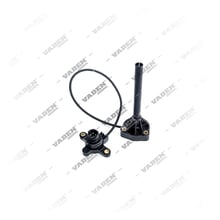
- Breather tube: Directs oil flow to make sure oil reaches every point the engine needs it.
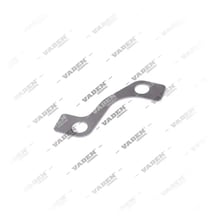
- Crankcase gasket: Seals the joint between the crankcase and engine block to prevent oil leaks.
- Ventilation system: Regulates internal engine pressure and optimizes oil circulation to stop pressure buildup.
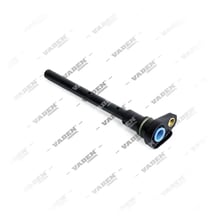
- Crankcase sensor: Measures oil level and temperature, feeding data to the driver and the engine control system.
- Oil jet: Sprays oil onto moving internal parts, such as the underside of the pistons, to cut friction and heat.
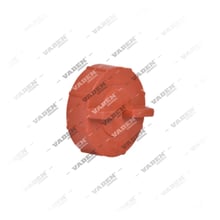
- Drain plug: The fitting that allows the crankcase to be emptied easily during oil changes.
Crankcase Maintenance
- Check the oil level: Regular oil level checks keep the engine running healthily and efficiently.
- Replace worn gaskets: Damaged or worn crankcase gaskets should be replaced promptly to prevent leaks.
- Test the sensors: Oil level and temperature sensors should be checked regularly and replaced if readings are inaccurate.
- Clean the interior: Removing built-up oil sludge and debris from the crankcase helps the engine run more efficiently.
- Inspect the outer housing: Periodically check the crankcase's outer surface for cracks, dents or impact damage.
- Follow the oil change schedule: Renew engine oil, and the crankcase gasket if needed, at the intervals set by the manufacturer.
Common Crankcase Problems and Fixes
- Oil leaks: A cracked housing or damaged gasket causes leaks; replace the faulty gasket or the crankcase itself.
- Low oil level warning: The sensor alerts the driver when oil level drops; check the oil level and top up or change it as needed.
- Blocked ventilation: A clogged breather channel unbalances internal engine pressure; clean the system or replace the part.
- Physical damage: Impacts can damage the crankcase's outer surface; a badly cracked crankcase should be replaced entirely.
- Sensor failure: Inaccurate oil level or temperature readings can point to a faulty sensor; test it and replace if necessary.
- Clogged oil jet: A dirty or blocked jet fails to lubricate properly; clean or replace the oil jet.
Why Choose a VADEN ORIGINAL Crankcase?
- Durable construction: Built to withstand heavy-duty operating conditions for a long service life.
- Precise performance: Optimized sensor and oil jet connections deliver reliable engine performance.
- Leak-proof design: Purpose-matched gaskets and ventilation compatibility ensure long-lasting, leak-free operation.
- Engineered for commercial vehicles: Developed to fully match the lubrication systems of heavy-duty engines.
- Broad vehicle coverage: Fitment options for Mercedes-Benz, MAN, Scania, Volvo, DAF, Iveco, Renault, BMC and Ford heavy commercial vehicles.
- Reliable spare parts supply: Manufactured to VADEN ORIGINAL quality standards for dependable, long-lasting spare parts.
Frequently Asked Questions (FAQ)
What does a crankcase (oil pan) do?
The crankcase stores engine oil so it can lubricate the engine's moving parts, and it shields the lower engine from impacts, dirt and water. It also helps regulate oil temperature.
Is the crankcase the same as the oil pan?
Yes. Crankcase and oil pan refer to the same engine part, mounted at the lowest point of the engine, where engine oil is stored before being recirculated by the oil pump.
How do you tell if a crankcase is leaking?
Oil pooling under the vehicle, a low oil level warning on the dash, or unexpected oil consumption can all point to a crankcase leak. Check the crankcase gasket and housing for cracks.
How often should the crankcase be inspected?
Oil level and the crankcase's outer surface should be checked at every oil change, typically every 10,000-15,000 km. Vehicles running under heavy loads may need more frequent checks.
When does a crankcase need to be replaced?
Replacement is needed when the crankcase has serious cracks, an unrepairable leak, or has lost its protective function. It should also be renewed if the gasket is worn or the sensor/oil jet mounting points are damaged.
Which vehicles use this type of crankcase?
Crankcases are used in trucks, tractor units, buses and construction equipment engines, and are common on heavy commercial vehicles from Mercedes-Benz, MAN, Scania, Volvo, DAF, Iveco, Renault, BMC and Ford.
Conclusion
The crankcase, or oil pan, stores engine oil and protects the lower engine from outside damage, making it a critical spare part for engine health and long-term performance. Working in sync with the breather tube, gasket, ventilation system, sensor and oil jet, it keeps the engine properly lubricated and at a stable temperature. Regular oil level checks, gasket maintenance and sensor monitoring extend the life of both the crankcase and the engine. Choose VADEN ORIGINAL crankcase solutions for durable, leak-proof, precision performance that keeps your heavy-duty engine running reliably for the long haul.