What Is a Steering System?
A steering system is the mechanical-hydraulic assembly that translates the driver's input at the steering wheel into directional movement of the front wheels, using hydraulic pressure to multiply that input on heavy commercial vehicles. Because trucks, tractor units and buses carry very high front-axle loads, turning the wheel without power assistance would be physically impractical — so hydraulic power steering is standard across the segment. The system relies on the steering pump, steering box, hydraulic fluid reservoir, hoses and connecting linkage all working together, delivering easy low-speed maneuvering and stable, precise handling at highway speed. Get this system right and both driving comfort and road safety improve immediately.
How Does Hydraulic Power Steering Work?
- Input at the wheel: When the driver turns the steering wheel, that motion travels down the steering column into the steering box.
- Building pressure: The steering pump, driven off the engine, pressurizes hydraulic fluid drawn from the reservoir and feeds it into the system.
- Boosting the force: Pressurized fluid acts on the piston and valve assembly inside the steering box, multiplying the effort the driver applies at the wheel.
- Turning the wheels: The steering box transmits this boosted movement through the tie rods and track rod ends to the front wheels.
- Fluid return: Used hydraulic fluid flows back to the reservoir through the return hose, and the cycle repeats continuously.
- The system's job: Together, these stages deliver low-effort, vibration-free, precise steering even under heavy axle loads — a direct contributor to driving safety.
Main Components and Subcategories
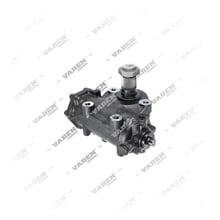
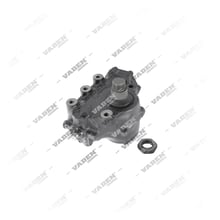
- Steering Box: The heart of the system: it takes motion from the steering column and boosts it hydraulically before sending it to the wheels, absorbing the high torque and axle loads typical of heavy commercial vehicles.
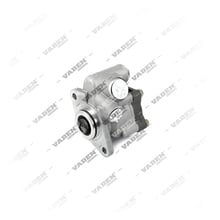
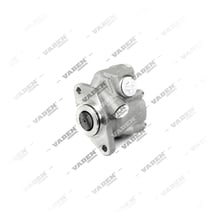
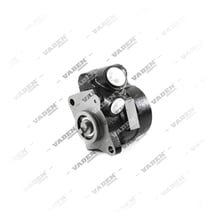
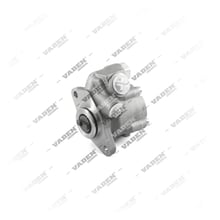
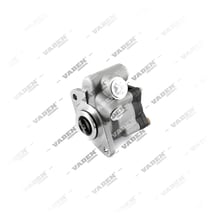
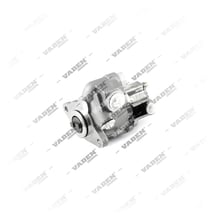
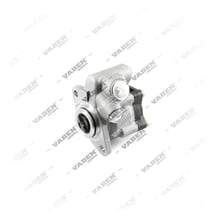
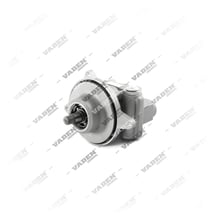
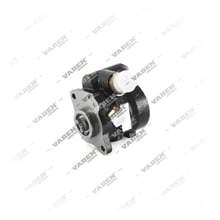
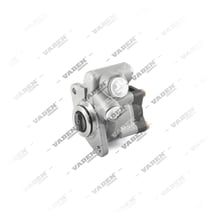
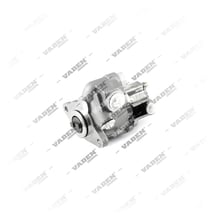
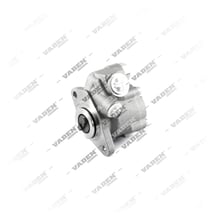
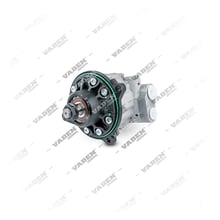
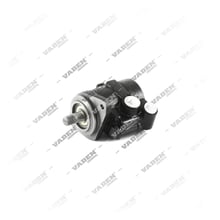
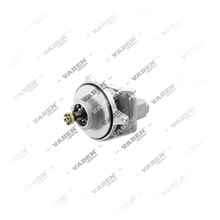
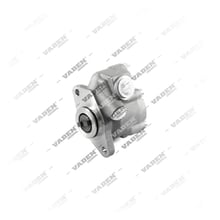
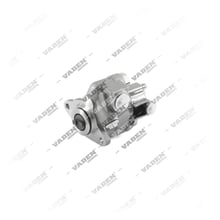
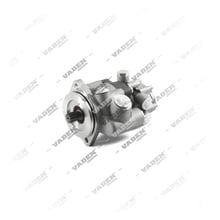
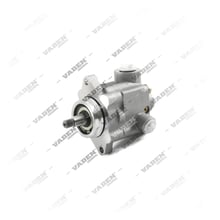
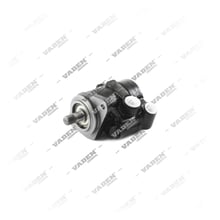
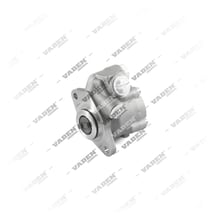
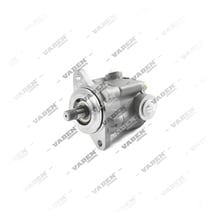
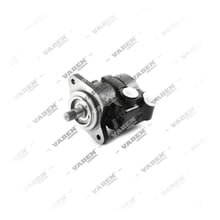
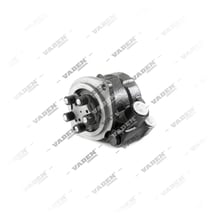
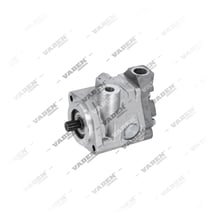
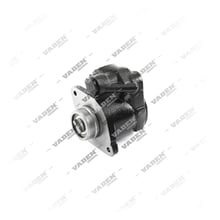
- Steering Pump: Driven by the engine, it pressurizes the hydraulic fluid and generates the force the steering box needs, keeping system pressure steady and consistent under load.
- Hydraulic fluid reservoir: Stores the circulating hydraulic fluid and feeds the pump without interruption.
- Hoses and lines: High-pressure-rated lines that carry pressurized and return fluid safely between the pump and the steering box.
- Piston and valve assembly: The internal components inside the steering box that convert hydraulic pressure into mechanical movement and regulate the power assist.
Technical Overview
| Attribute | Details |
|---|
| Scope | Hydraulic steering system components: steering box and steering pump |
| Vehicle types | Heavy commercial vehicles: trucks, tractor units, trailers, buses, construction equipment |
| Compatibility | OE-matching fitment for Mercedes-Benz, MAN, Scania, Volvo, DAF, Iveco, Renault, BMC, Ford and other major brands |
| System / standard | Hydraulic power steering (HPS); manufactured to OE and ISO quality standards |
| OE-match approach | Matches OE dimensions, connections and pressure ratings for direct, bolt-on replacement of the original part |
| Maintenance | Regular fluid level checks, leak and hose inspection, monitoring pump noise |
Steering System Types and Variants
- Hydraulic power steering (HPS): Driven by an engine-mounted pump, this is the most widely used power-assisted steering type on heavy commercial vehicles.
- Electro-hydraulic power steering (EHPS): Hydraulic pressure is generated by an electric pump instead of a belt-driven one, improving fuel efficiency and giving finer control — increasingly common on newer platforms.
- Recirculating ball steering box: A ball-and-nut design built to handle high axle loads, the standard choice for heavy commercial vehicle applications.
- Vane-type steering pump: Widely used in heavy-duty applications for its ability to deliver stable, high-pressure output over long duty cycles.
How to Choose the Right Steering Part
- Match the OEM number: Check the OE number stamped on the original steering box or pump against the reference number of the replacement part to confirm exact fitment.
- Verify by make, model and year: Confirm compatibility for Mercedes-Benz, MAN, Scania, Volvo, DAF, Iveco, Renault, BMC or Ford by production year and engine variant.
- Compare connections and dimensions: Check that flange connections, inlet/outlet fitting sizes, shaft diameter and mounting hole pattern match the original part.
- Check the pressure ratings: Pump operating pressure and steering box flow rate need to match the vehicle's system specification for correct power assist.
- Choose quality and warranty coverage: OE-standard, warrantied VADEN ORIGINAL parts with after-sales technical support mean a longer service life and a trouble-free installation.
Maintenance and What to Watch For
- Hydraulic fluid level: Check the reservoir level regularly and top up with the fluid type specified by the manufacturer.
- Leak checks: Inspect the pump, steering box, hoses and fittings periodically for signs of fluid leakage.
- Hose and line inspection: Look for cracking, wear or bulging on high-pressure lines, and replace any compromised sections promptly.
- Pump noise: Whining or groaning while turning the wheel can be an early sign of low fluid level or pump wear.
- Fluid cleanliness: Dirty or discoloured hydraulic fluid accelerates wear inside the system and should be renewed periodically.
- Linkage condition: Check tie rods, track rod ends and mounting bolts for tightness to prevent play and vibration.
Common Faults and How to Fix Them
- Stiff steering: Usually caused by low hydraulic fluid or a failing pump; top up the fluid first, and replace the pump if the problem persists.
- Noise while turning: A whining or groaning sound points to low fluid level or pump wear; check the fluid, then have the pump inspected.
- Hydraulic fluid leaks: Typically caused by worn hoses, fittings or seals; replace the faulty part to restore system pressure.
- Delayed steering response: Often due to trapped air in the system or insufficient pressure; bleed the system and check pump pressure.
- Play or looseness in the steering: Caused by a worn steering box or loose linkage; adjust the box or tighten the connections as needed.
- Vibration or shudder: A sign of worn tie rods/track rod ends or uneven hydraulic pressure; inspect and replace the affected components.
Why Choose VADEN ORIGINAL?
- Built for heavy-duty durability: Steering components engineered specifically for trucks, tractor units and trailers, rated for sustained high pressure and long service life.
- OE-matching fitment: Dimensions, connections and pressure ratings match OE specifications for a direct, drop-in replacement.
- Rigorous quality control: Manufactured to international quality and ISO standards, backed by thorough testing at every stage.
- Broad coverage: Fitment available for Mercedes-Benz, MAN, Scania, Volvo, DAF, Iveco, Renault, BMC, Ford and other major brands.
- Warranty and technical support: Warrantied parts backed by responsive after-sales technical support for a dependable spare-parts experience.
Frequently Asked Questions (FAQ)
Why do heavy trucks need power steering?
Trucks, tractor units and buses carry very high front-axle loads and run large tyres, so turning the wheel unassisted isn't practical. The steering pump generates hydraulic pressure that multiplies driver input, keeping steering effort low while staying precise and safe.
What's the difference between a steering box and a steering pump?
The steering pump is driven by the engine and pressurizes the hydraulic fluid, generating the power. The steering box uses that pressure to boost the driver's input and transmit it to the wheels. In short: the pump makes the power, the box turns it into steering motion.
Why has my steering gone stiff?
The most common causes are low hydraulic fluid, a leak in the system, or a worn steering pump. Check the fluid level first; if there's no leak, have the pump and steering box inspected.
What does noise while turning the wheel mean?
A whining or groaning sound when turning usually points to low hydraulic fluid or pump wear. Top up the fluid, and if the noise continues, have the pump checked.
How do I pick the correct steering part for my truck?
The most reliable method is matching the OEM number stamped on the original part to the replacement's reference number. Also confirm the vehicle make, model, production year and connection dimensions match.
Which truck brands do VADEN ORIGINAL steering parts fit?
VADEN ORIGINAL steering components are manufactured as OE-matching replacements for Mercedes-Benz, MAN, Scania, Volvo, DAF, Iveco, Renault, BMC, Ford and other major heavy-vehicle brands. Always confirm fitment using the OEM number and model details.
How often should power steering fluid be checked?
Check the fluid level at every scheduled service. If the fluid has darkened or become contaminated, it should be renewed; if the level has dropped, top up with the fluid type specified by the manufacturer.
Can a steering system fault compromise driving safety?
Yes. Stiff steering, delayed response or play in the steering wheel all make the vehicle harder to control and increase risk. Any of these symptoms should prompt an inspection, and affected parts should be replaced without delay.
Conclusion
The steering system is fundamental to driving safety, maneuverability and comfort on every heavy commercial vehicle. Routine maintenance paired with OE-standard components keeps it working reliably for the long haul. Choose VADEN ORIGINAL to keep your truck, tractor unit or trailer steering strong and dependable.
Related technical guide: Hydraulic Steering Pump: Failure, Replacement & Care Guide