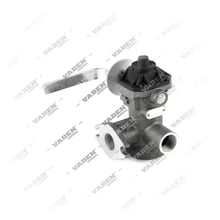
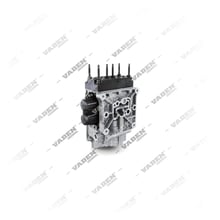
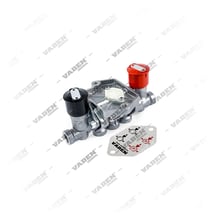
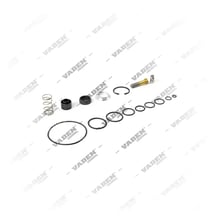
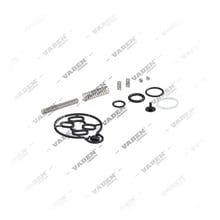
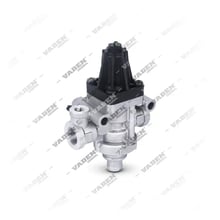
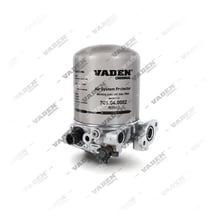
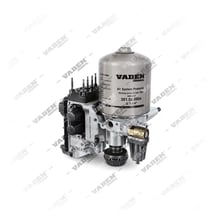
What Is the Brake System?
The brake system is the safety mechanism that converts a vehicle's kinetic energy into heat to slow it down and bring it to a stop. On heavy commercial vehicles this job is done by an air (pneumatic) brake system rather than a hydraulic one, because only compressed air can reliably generate the braking force needed to stop a fully loaded truck, tractor unit or trailer. The system is a coordinated network of components — the compressor, air reservoirs, air processing unit, control valves, brake chambers and electronic modules such as ABS and EBS — all working together in real time. Compared with hydraulic setups, air brakes respond quickly, don't lose performance under heat, and are engineered to fail safe: even in the event of an air leak, the system defaults to a braking, not a released, state.
How Does an Brake System Work?
- Air generation: An engine-driven compressor produces the compressed air the system needs and feeds it into the air reservoirs.
- Air conditioning: The air processing unit (air dryer) strips out moisture and oil so valves and chambers stay protected from freezing and corrosion.
- Pressure distribution: Relay and distribution valves split the stored air evenly across axles and between the tractor and trailer circuits.
- Braking command: When the driver presses the brake pedal, the foot brake valve releases air flow in direct proportion to pedal force.
- Force application: Brake chambers convert incoming air pressure into mechanical force, pressing the linings against the drum or disc to slow the wheel.
- Electronic control: ABS prevents wheel lock-up so the driver keeps steering control, while EBS manages braking electronically for shorter, more balanced stops.
Core Components and Sub-Categories
- ABS: Anti-lock braking system components that stop wheels from locking under hard braking, preserving steering control.
- ABS Dual Relay Valve: A relay valve that modulates air flow quickly across two axles or wheel groups for coordinated ABS control.
- ABS Electronic Control Unit: The ECU 'brain' that processes wheel-speed sensor data and commands the ABS valves accordingly.
- ABS Relay Valve: A relay valve that raises or lowers brake pressure at individual wheels on command from the control unit.
- ABS Sensor: A wheel-speed sensor that detects the onset of wheel lock and reports it to the ECU.
- Emergency Valve: A valve that triggers park/emergency braking on air loss or a pressure drop, keeping the vehicle on the safe side of failure.
- Axle Lift Valve: A valve that raises an unladen tag/lift axle to cut tire wear and fuel consumption.
- Load Sensing Valve (ALB): A load-proportioning valve that automatically adjusts brake pressure to match vehicle load.
- Connection Fittings: Couplings, elbows and mounting hardware that join air lines, valves and chambers together.
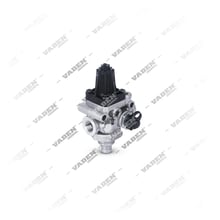
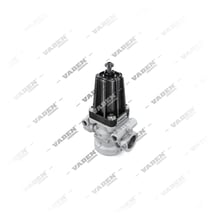
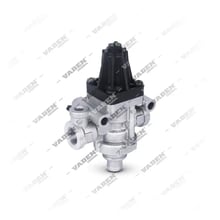
- Pressure Limiting Valve: A valve that caps pressure in a given circuit to protect downstream components from overpressure.
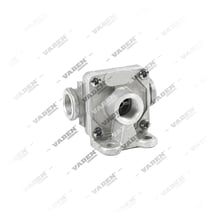
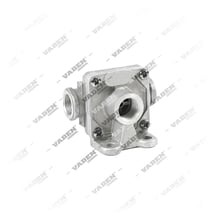
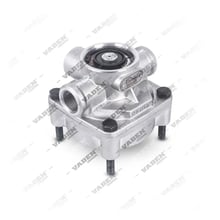
- Quick Release Valve: A valve that rapidly vents air from the chamber when the brake is released, so brakes disengage quickly.
- Check Valve: A one-way valve that stops air flowing backward between circuits.
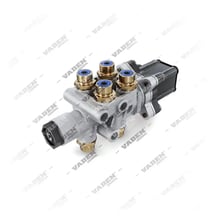
- Multi-Circuit Distribution Valve: A multi-circuit protection valve that splits air supply between several separated, protected circuits.
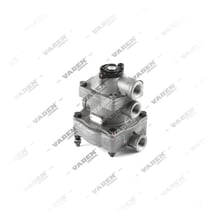
- Distributor Valve: The main distribution valve that routes the braking command to the relevant circuits and balances pressure.
- Distribution Valve: A valve that directs air pressure to different brake lines across the system.
- Trailer Control Valve: A valve that manages brake compatibility and trailer braking between tractor and trailer.
- Trailer Height Control Valve: A level-control valve that adjusts trailer ride height and air-suspension bellows pressure.
- Four-Circuit Protection Valve: A multi-circuit protection valve that isolates four separate brake circuits from one another.
- EBS Axle Modulator: An EBS component that electronically modulates brake pressure on a per-axle basis.
- EBS Trailer Control Valve: An EBS control valve that manages trailer braking electronically.
- EBS Trailer Modulator: A modulator that precisely adjusts EBS brake pressure on trailer axles.
- EBS Brake Module: The central EBS module that processes braking commands electronically and relays them to the valves.
- EBS Brake Signal Transmitter: A transmitter that converts pedal position and brake demand into an electronic signal.
- EBS Two-Way Modulator: A dual-circuit EBS modulator that balances brake pressure across two circuits or directions.
- EBS Modulator: The main EBS modulator that adjusts brake pressure in real time.
- EBS Relay Valve: An electronic relay valve that opens and closes air flow rapidly on EBS commands.
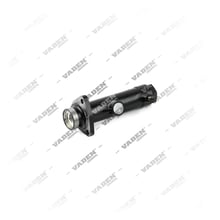
- Brake Master Cylinder: The master cylinder that transmits the braking command and distributes force to the circuits.
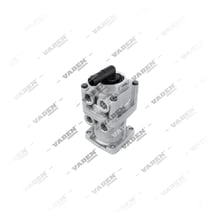
- Foot Brake Valve: The service brake (treadle) valve that converts pedal force into proportional air pressure.
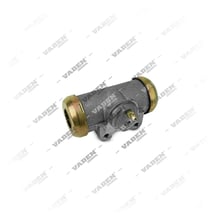
- Brake Chamber: A diaphragm/piston chamber that converts air pressure into mechanical thrust, pressing the linings against the drum or disc.
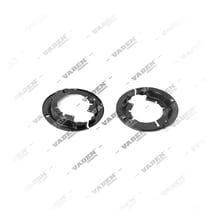
- Brake Backing Plate: A shield that protects the brake mechanism from dust, mud and road debris.
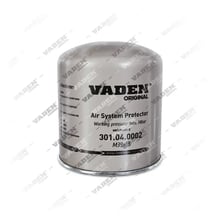
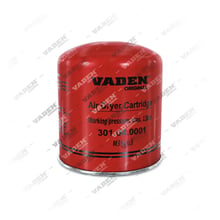
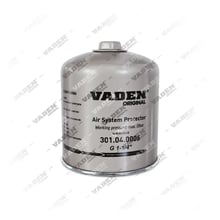
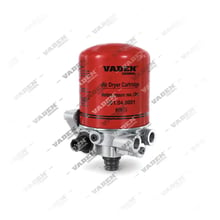
- Air Processing Unit: An air dryer unit (APU) that removes moisture and oil, regulates pressure and protects the circuits.
- Air Discharge Valve: A valve that safely vents excess or contaminated air from the system.
- Door Control Valve: A control valve that operates pneumatic door movement on buses and commercial vehicles.
- Dryer-Integrated Drain Valve: A drain valve with a built-in moisture separator function.
- Park and Release Valve: A valve that manages the parking (handbrake) circuit and circuit release.
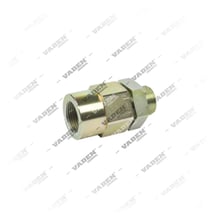
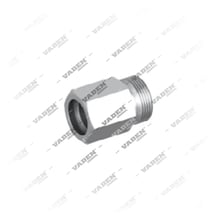
- Fitting: A connector that provides a sealed joint between air lines and components.
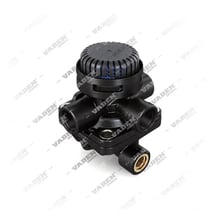
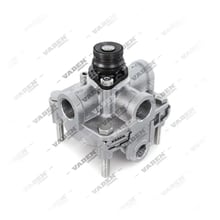
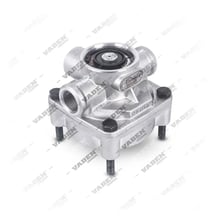
- Relay Valve: A relay valve that speeds up air delivery to remote circuits, shortening brake response time.
- Drain Valve: A valve that drains accumulated water and excess air from the reservoirs.
- Unloader Valve: A governor/regulator valve that takes the compressor off-load once system pressure reaches its set point.
Brake System Technical Summary
| Attribute | Description |
|---|
| Scope | Compressor, air processing unit, valves, brake chambers, ABS and EBS components |
| Vehicle type | Trucks, tractor units, trailers, buses and other heavy commercial vehicles |
| System type | Air (pneumatic) brake system with multi-circuit protection architecture |
| Compatibility | Wide brand coverage including Mercedes-Benz, MAN, Scania, Volvo, DAF, Iveco, Renault, BMC and Ford |
| Standard / architecture | ABS/EBS compatible with Wabco and Knorr-Bremse architectures; built to ISO and OE quality standards |
| OE-match approach | Form, fit and function matched to the original part — a true OE-equivalent design |
| Maintenance | Regular moisture drainage, dryer cartridge replacement, pressure/leak checks, lining and chamber inspection |
Types of Brake System Components
- Air (pneumatic) brake system: The industry-standard heavy-duty system that uses compressed air to generate high braking force.
- ABS-equipped brake system: A system with anti-lock sensors and valves that prevents wheel lock-up and preserves steering control.
- EBS electronic brake system: An advanced system that manages braking electronically for shorter stops and balanced distribution across axles.
- Drum brakes: The rugged, classic heavy-load braking type where linings press against the inside of a brake drum.
- Disc brakes (calipers): A modern type offering better heat dissipation and more consistent braking, where pads clamp onto a disc.
- Park / handbrake system: The mechanism using spring brake chambers that secures the vehicle when parked.
- Trailer brake circuit: The independent control and protection circuit that keeps tractor and trailer braking in sync.
How to Choose the Right Brake Part
- Confirm the OEM number: Start from your vehicle's original (OEM) part number and match it to the exact OE-equivalent in the VADEN ORIGINAL catalog.
- Match by make and model: Select the part that fits your Mercedes-Benz, MAN, Scania, Volvo, DAF, Iveco, Renault, BMC or Ford model and production year.
- Check the system architecture: Identify whether your vehicle runs a Wabco or Knorr-Bremse architecture and confirm its ABS/EBS specification.
- Verify size and connection type: Check fitting size, port count, chamber type and connection standard for a proper match.
- Confirm circuit and position: Make sure the part is correct for the front/rear axle, tractor circuit or trailer circuit it's intended for.
- Look for quality certification: OE-equivalent manufacturing and compliance with relevant ISO/quality standards are key to long service life and safe braking.
Maintenance and Key Considerations
- Drain moisture regularly: Empty accumulated water from the air reservoirs often; moisture corrodes valves and chambers and can freeze in winter.
- Replace the dryer cartridge on schedule: Swap the air processing unit's dryer cartridge at the recommended interval to keep the system supplied with clean, dry air.
- Check for air leaks: Leaking fittings, hoses or valve connections cause pressure loss and delayed brake response.
- Monitor system pressure: Regularly confirm operating pressure stays within the manufacturer's specified range.
- Inspect linings and chambers: Check lining wear, chamber diaphragms and automatic slack adjusters at every service interval.
- Use genuine OE-equivalent parts: Uncertified or low-quality parts put braking safety at risk — choose VADEN ORIGINAL equivalents instead.
Common Faults and Fixes
- Low pressure / brakes engage late: Cause: air leak, failing compressor or a blocked valve. Fix: run a leak test, inspect the compressor and related valves, and replace with an OE-equivalent part if needed.
- Water build-up and freezing in the system: Cause: the air dryer isn't doing its job. Fix: replace the dryer cartridge and drain valve, and drain the reservoirs.
- ABS warning light stays on: Cause: a faulty ABS sensor, wiring fault or ECU error. Fix: test the sensor and connections, then replace the faulty ABS sensor or control unit.
- Brakes release slowly / vehicle drags: Cause: a failing quick release or relay valve. Fix: inspect and replace the relevant release/relay valve.
- Uneven braking / vehicle pulls to one side: Cause: a maladjusted load-sensing (ALB) valve or a pressure imbalance on one axle. Fix: adjust the ALB valve and check the distribution valves.
- Compressor runs under load continuously: Cause: a faulty unloader (governor) valve or a system leak. Fix: inspect and repair the governor valve and check for circuit leaks.
- Trailer braking is out of sync: Cause: a faulty trailer control valve or EBS trailer module. Fix: test the tractor-trailer coupling and the relevant valve/module, replacing as needed.
Why Choose VADEN ORIGINAL?
- OE-equivalent quality: Manufactured to match the original part's form, fit and function for safe, reliable braking.
- Built for heavy-duty use: Long-lasting brake components engineered for high payloads, long hauls and demanding conditions.
- Full-system range: ABS, EBS, valves, chambers and connection hardware covering the entire brake system under one roof.
- Broad brand coverage: Solutions fitting Mercedes-Benz, MAN, Scania, Volvo, DAF, Iveco, Renault, BMC, Ford and many more makes and models.
- Rigorous quality control: Manufacturing aligned with international standards and disciplined quality control for consistent performance.
- Dependable supply: Steady availability and strong after-sales support for fleets and workshops.
Frequently Asked Questions (FAQ)
What is an air brake system and why do heavy trucks use it?
An air brake system uses compressed air to generate braking force. It's the standard choice for trucks, tractor units and trailers because only air pressure can reliably produce the braking power a heavy, fully loaded vehicle needs — and it's engineered to fail safe even if a leak occurs.
What's the difference between ABS and EBS?
ABS prevents wheel lock-up during hard braking so the driver keeps steering control. EBS is a more advanced electronic system that manages braking overall, delivering shorter stopping distances, balanced pressure across axles, and better tractor-trailer coordination. EBS typically includes ABS functionality.
How do I know if my air brake system has an air leak?
A fast-dropping pressure gauge, brakes that engage late, a compressor that runs constantly, and a hissing sound at fittings are all signs of an air leak. Have the fittings, hoses and valve connections leak-tested.
What does the air dryer (air processing unit) do?
The air processing unit removes moisture and oil from the air entering the system, protecting valves and chambers from corrosion and winter freeze-ups. This extends component life and keeps braking safe. The dryer cartridge needs periodic replacement.
How do I choose the right brake part for my truck?
The most reliable method is to start with your vehicle's OEM part number, then confirm make, model, production year, system architecture (Wabco or Knorr-Bremse), ABS/EBS spec, and connection size before selecting the matching VADEN ORIGINAL equivalent.
Which truck brands are VADEN ORIGINAL brake parts compatible with?
VADEN ORIGINAL brake components are OE-matched and fit a wide range of heavy commercial vehicle brands and models, including Mercedes-Benz, MAN, Scania, Volvo, DAF, Iveco, Renault, BMC and Ford.
When should a brake chamber be replaced?
Check and replace the brake chamber if you notice a torn diaphragm, air leaking from the chamber, weak braking, slow release, or rust. In spring (parking) chambers, spring fatigue can also call for replacement.
How often does an air brake system need maintenance?
Drain moisture from the air reservoirs regularly, replace the dryer cartridge on the manufacturer's schedule, and check pressure and leaks periodically. Linings, chambers and valves should be inspected at every routine vehicle service.
Conclusion
The brake system is the backbone of safety and roadworthiness compliance for trucks, tractor units and trailers — every component has to deliver the right pressure at the right moment. From the compressor to the ABS and EBS electronics, VADEN ORIGINAL is the trusted source for OE-matched quality, long service life and dependable braking performance.
Related articles: Air Brake System Diagram for Trucks, Buses and Trailers | VADEN ORIGINAL · Air Brake System: How It Works on Heavy Commercial Vehicles · Truck Air Brake Valves Explained: Types, Functions and Failure Symptoms · Brake Safety on Long Descents: What Is Brake Fade, and How Do You Use the Retarder and Engine Brake?
Related technical guide: Foot Brake Valve: Faults, Replacement & Maintenance Guide