What Is a Fifth Wheel Coupling?
A fifth wheel is the coupling device mounted on a tractor unit's chassis that engages the trailer's kingpin to create a secure, load-bearing, and pivoting connection between a truck (or tractor) and its semi-trailer. In heavy-duty trucking, it transfers the trailer's entire vertical load onto the tractor while letting the trailer swing freely relative to the tractor during turns and maneuvering. Because of this, a fifth wheel is far more than a hitch part — it is a safety-critical system that governs both load security and vehicle handling. VADEN ORIGINAL supplies OEM-standard fifth wheel components built for trucks, tractor units and trailers in demanding commercial fleet operations.
How Does a Fifth Wheel Work?
- Making the connection: The trailer's kingpin is captured and locked by the fifth wheel's jaw mechanism, creating a secure mechanical link between tractor and trailer.
- Load transfer and balance: The vertical load at the trailer's front end is transferred evenly onto the tractor's chassis through the fifth wheel plate.
- Articulation: Bushings and a pivoting mount let the trailer move through both horizontal and vertical planes relative to the tractor when cornering or crossing uneven ground.
- Locking safety: A two-stage locking jaw with a safety latch prevents the kingpin from releasing in transit, guarding against trailer separation.
- Friction control: Regular greasing of the plate surface and pivot points keeps friction, wear and vibration to a minimum.
Core Components and Sub-Categories
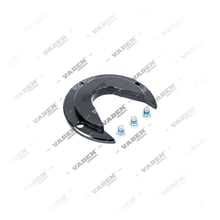
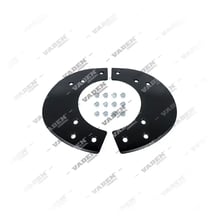
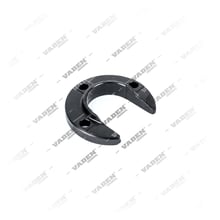
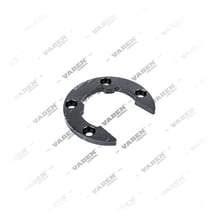
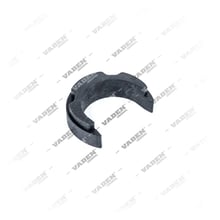
- Wear Ring: A replaceable wear element that absorbs friction at the kingpin contact area, protecting the main casting from premature wear.
- Fifth Wheel Types: Covers the full range of coupling designs — fixed, sliding and air-actuated locking systems — matched to different haulage needs.
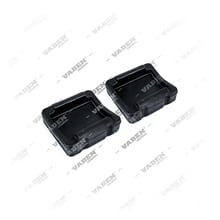
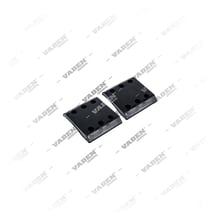
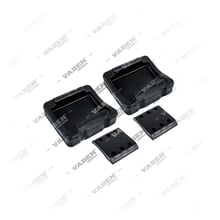
- Rubber Components: Rubber pads and bushings that damp vibration, shock and noise, and reduce play at the coupling point.
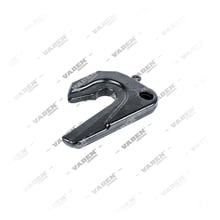
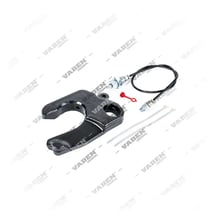
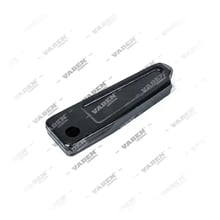
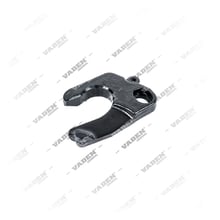
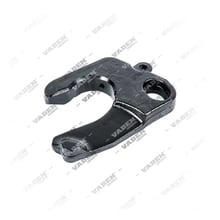
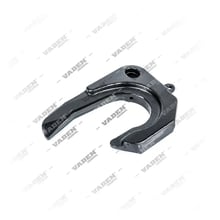
- Locking Mechanism: The jaws and latches that grip and secure the kingpin — the heart of coupling safety.
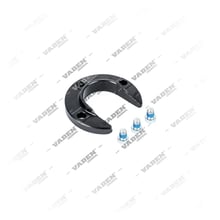
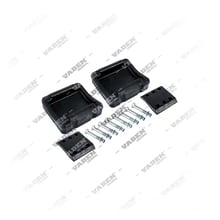
- Mounting Kit: Mounting plates, brackets, bolts and hardware that fix the fifth wheel to the tractor chassis.
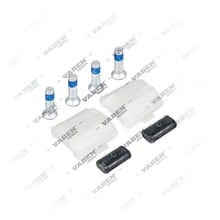
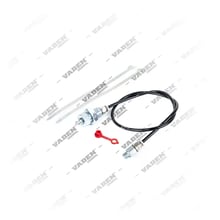
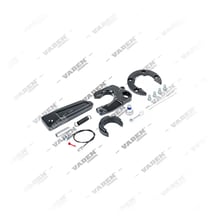
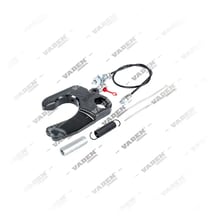
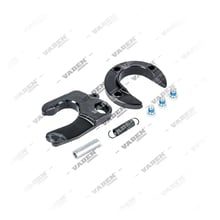
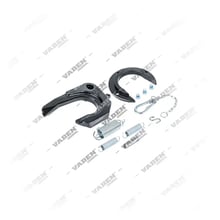
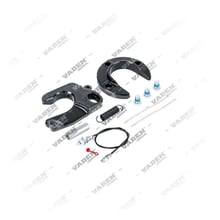
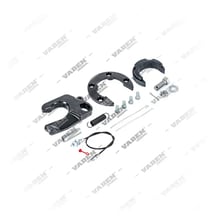
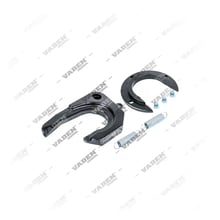
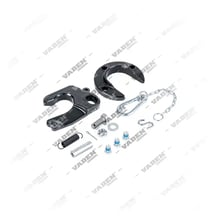
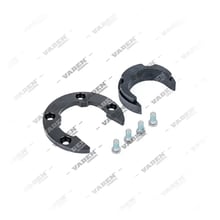
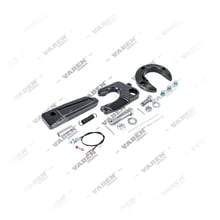
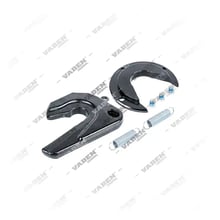
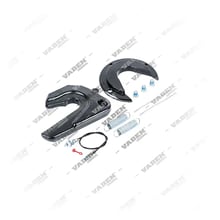
- Repair Kit: Service kits for renewing the locking jaw, latch, springs and other wear parts without replacing the whole unit.
- Type Conversion: Adaptor and conversion parts used to match different tractor and trailer coupling standards.
- Pivot / Bearing Assembly: The pivot and bearing elements that let the fifth wheel oscillate and rotate relative to the tractor.
Fifth Wheel System — Technical Summary
| Attribute | Description |
|---|
| Scope | Tractor-trailer coupling system: locking jaws, rubber components, pivot/bearing assembly, wear ring, mounting hardware and repair kits |
| Vehicle type | Heavy commercial vehicles: trucks, tractor units and semi-trailers |
| Compatibility | Selected by kingpin size, plate type and chassis mounting hole pattern |
| System / standard | Built to international coupling and safety standards for kingpin and fifth wheel interfaces |
| Compatible OE brands | OE-equivalent approach for Mercedes-Benz, MAN, Scania, Volvo, DAF, Iveco, Renault, BMC and Ford |
| OE-equivalent approach | Manufactured to OEM dimensions, materials and load-rating criteria |
| Maintenance | Periodic greasing, locking-jaw and wear inspection, cleaning and professional service checks |
Types of Fifth Wheel Couplings
- Fixed fifth wheel: Mounted in a fixed position on the chassis — the most common, dependable choice for standard haulage.
- Sliding fifth wheel: Slides fore and aft to optimize axle load distribution; favored on longer trailers and for balancing axle weights.
- Air-locking fifth wheel: Uses an automatic, air-actuated locking mechanism for faster, safer and easier hitching.
- Heavy-duty fifth wheel: A reinforced, high-capacity design built for tough conditions and extra-heavy loads.
How to Choose the Right Fifth Wheel Part
- OEM / reference number: Start from your vehicle's or existing part's OEM number and match it against VADEN ORIGINAL cross-references.
- Make and model fit: Confirm compatibility with your tractor's make, model and year — Mercedes-Benz, MAN, Scania, Volvo, DAF, Iveco, Renault, BMC or Ford.
- Kingpin size: Select a locking jaw and wear ring matched to the trailer's kingpin diameter (per common industry standard sizes).
- Load rating: The part must meet the vehicle's load capacity and the trailer's vertical (kingpin) load rating.
- Mounting hole pattern and plate type: The chassis mounting hole layout and plate type must match your existing setup exactly.
- Type conversion needs: Use the correct conversion/adaptor parts when bridging between different coupling standards.
Fifth Wheel Maintenance and What to Watch For
- Regular greasing: Grease the plate surface, pivot points and moving parts at the intervals recommended by the manufacturer.
- Check the locking mechanism: Regularly verify that the kingpin lock and safety latch engage fully with no play.
- Inspect for wear: Check the wear ring, contact surfaces and rubber components for wear and cracking.
- Keep it clean: Remove dust, mud and debris regularly — built-up dirt accelerates friction and wear.
- Prevent corrosion: Protect surfaces from rust and replace corroded parts promptly.
- Schedule professional inspections: Have the coupling checked periodically by a qualified service technician to keep it safe and reliable.
Common Fifth Wheel Problems and Fixes
- Worn locking mechanism: Cause: prolonged use and insufficient maintenance create play in the lock. Fix: renew the jaw and latch with a repair kit, or replace the unit if wear is advanced.
- Play and noise at the coupling: Cause: worn rubber and pivot components lead to vibration and rattling. Fix: replace the worn rubber bushings and bearing elements.
- Dry running and excess friction: Cause: inadequate greasing causes premature wear on the plate and wear ring. Fix: regrease on schedule and inspect the wear ring.
- Corrosion and rust: Cause: exposure to moisture and road salt weakens the material. Fix: protect surfaces and replace corroded components.
- Stiff or jammed locking lever: Cause: dirt buildup and fatigued springs make the mechanism hard to operate. Fix: clean and lubricate the mechanism and renew springs with a repair kit.
- Loose mounting: Cause: vibration works mounting bolts loose over time, compromising safety. Fix: check and re-torque mounting bolts to the specified value.
Why Choose VADEN ORIGINAL?
- OEM-grade quality: Manufactured to OEM standards under strict quality control for dependable fifth wheel components.
- Long-life materials: Reinforced materials and workmanship built to withstand heavy loads and demanding road conditions.
- Broad product range: Fixed, sliding and specialty coupling types alongside locking jaws, rubber parts, pivot assemblies, wear rings, mounting kits and repair kits.
- Wide brand coverage: OE-equivalent solutions for Mercedes-Benz, MAN, Scania, Volvo, DAF, Iveco, Renault, BMC and Ford tractor units.
- Technical support and warranty: Backed by professional service support and warranty for safe, uninterrupted haulage.
Frequently Asked Questions (FAQ)
What is a fifth wheel and what does it do?
A fifth wheel is the coupling mounted on a tractor's chassis that locks onto the trailer's kingpin, forming a secure, pivoting connection between tractor and trailer. It carries the trailer's load onto the tractor, allows free articulation through turns, and keeps the trailer securely attached in transit.
What is a kingpin and how does it relate to the fifth wheel?
The kingpin is the coupling pin mounted underneath the front of the trailer. The fifth wheel's locking jaw clamps around it to create the secure link between trailer and tractor. Choosing the right part means matching the kingpin size to the fifth wheel's locking jaw.
What's the difference between a fixed and a sliding fifth wheel?
A fixed fifth wheel stays in one position on the chassis and suits standard haulage. A sliding fifth wheel moves fore and aft to optimize axle load distribution, which makes it the better choice for longer trailers or loads that need axle weight balancing.
How do you maintain a fifth wheel coupling?
Grease the plate surface and pivot points on schedule, inspect the locking mechanism and wear ring regularly, keep dust and mud off the assembly, and have it checked periodically by a professional service. Consistent maintenance improves safety and extends part life.
When should a fifth wheel be replaced?
Replace the part or the full assembly if you notice excessive play in the locking mechanism, incomplete kingpin engagement, persistent noise or vibration, or advanced corrosion or cracking. Worn jaws, rubber components and bushings can often be renewed with a repair kit before that point.
How do I choose the right fifth wheel part?
Match the vehicle's OEM number, tractor make, model and year, kingpin size, load rating and mounting hole pattern. Cross-referencing against VADEN ORIGINAL parts covers Mercedes-Benz, MAN, Scania, Volvo, DAF, Iveco, Renault, BMC and Ford tractor units.
Why does a fifth wheel develop play or noise?
Play and noise usually come from worn rubber bushings and pivot components, or from a locking mechanism that has loosened. Replacing the worn rubber and pivot parts and inspecting the lock resolves it.
What vehicles use a fifth wheel coupling?
Fifth wheels are used in heavy commercial and haulage transport to couple a tractor unit (semi-truck) to its semi-trailer. It's the standard coupling system in tractor-trailer combinations, enabling secure load transfer and maneuverability.
Conclusion
The fifth wheel is a safety-critical system that determines the security of the tractor-trailer connection, load transfer and maneuverability — choosing quality parts and keeping up with maintenance is the foundation of safe operation. Across locking jaws, rubber components, pivot assemblies, wear rings, mounting kits and repair kits, VADEN ORIGINAL delivers OEM-grade durability that heavy commercial fleets can rely on.
Related technical guide: Fifth Wheel & King Pin: Faults, Replacement & Maintenance Guide