What Is the Cooling System?
The cooling system is the group of components that removes excess heat from a running internal combustion engine using coolant, keeping the engine within its ideal operating temperature range. Heavy-duty engines generate enormous amounts of heat under high RPM and heavy load, and if that heat isn't managed properly, critical parts like the block, head gasket and pistons can be damaged or destroyed. The system continuously circulates coolant between the engine and the radiator to transfer heat into the surrounding air, preventing both overheating and the engine running too cold. VADEN ORIGINAL supplies durable cooling system parts built to hold that balance even in the toughest operating conditions.
How Does the Cooling System Work?
- Heat absorption: Coolant flowing through channels in the engine block absorbs the heat generated by combustion and pulls it away from the engine.
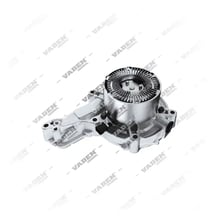
- Circulation: The water pump keeps coolant moving continuously between the engine and radiator so heat is distributed evenly rather than pooling in hot spots.
- Temperature regulation: The thermostat blocks circulation while the engine is cold and opens once operating temperature is reached, releasing coolant to the radiator.
- Heat rejection: The radiator passes hot coolant through narrow fins exposed to airflow, cooling it before sending it back into the engine.
- Airflow assist: The cooling fan boosts airflow through the radiator, which matters most at low road speed or idle when ram air alone isn't enough.
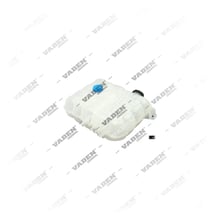
- Pressure control: The expansion tank and radiator cap absorb coolant expansion as it heats up, keeping system pressure within a safe range.
Core Components and Subcategories
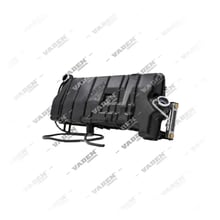
- Radiator: The main heat exchanger of the system; it cools heated coolant by exposing it to airflow before routing it back to the engine.
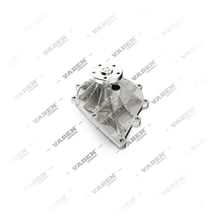
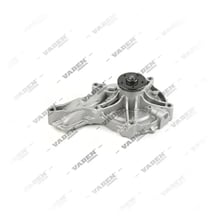
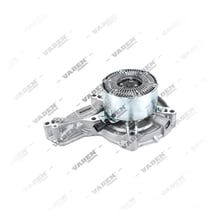
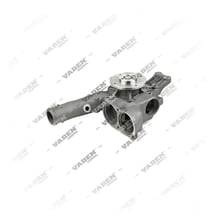
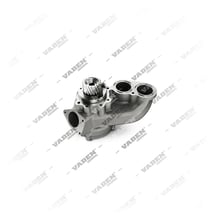
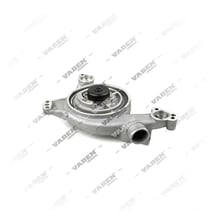
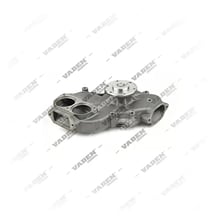
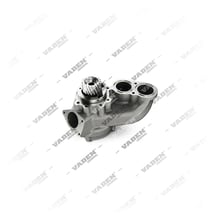
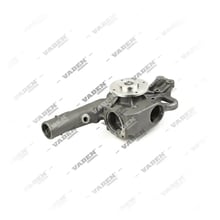
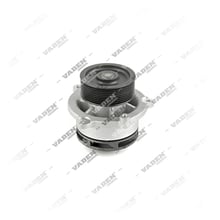
- Water Pump: Drives coolant circulation between the engine and radiator; consistent, reliable flow is what keeps the whole system effective.
- Thermostat: A temperature-sensing valve that keeps the engine at its optimal running temperature, opening and closing coolant flow to also help control fuel consumption.
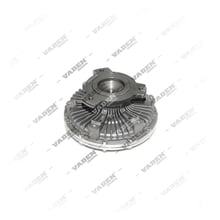
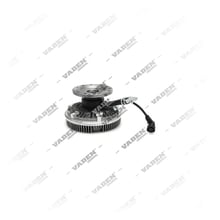
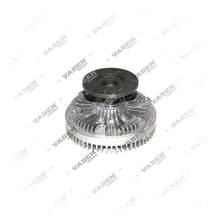
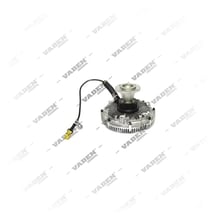
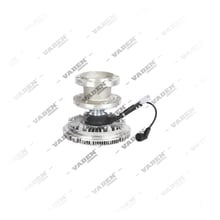
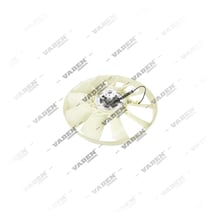
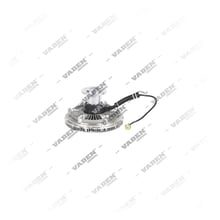
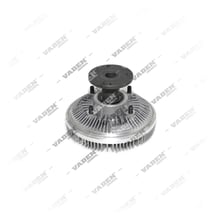
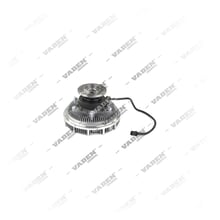
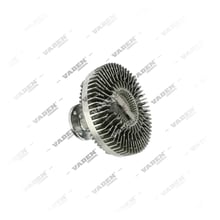
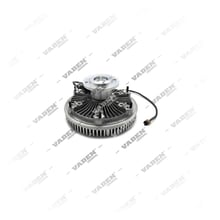
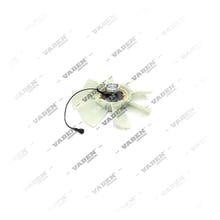
- Cooling Fan: Adds extra airflow through the radiator to support cooling performance; electric, viscous-clutch and mechanical types are all common on heavy commercial vehicles.
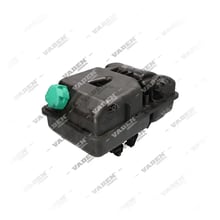
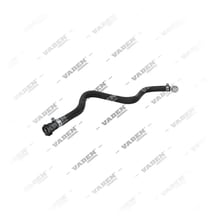
- Expansion Tank & Hoses: The expansion tank absorbs coolant expansion while hoses and pipes carry coolant through the system, completing the circuit and sealing it against leaks.
Technical Overview
| Spec | Details |
|---|
| Coverage | Complete engine cooling system: radiators, water pumps, thermostats and fans |
| Vehicle types | Trucks, tractor units, buses, trailers and other heavy commercial vehicles |
| Compatibility | OE-matching fit for Mercedes-Benz, MAN, Scania, Volvo, DAF, Iveco, Renault, BMC, Ford and other major brands |
| Standards | Manufactured to ISO and OE quality standards under strict quality control |
| OE-match approach | Matches original dimensions, mounting points and performance specifications for a direct OE-equivalent fit |
| Maintenance | Regular coolant level checks, radiator cleaning, and hose/thermostat inspection |
Types of Cooling Systems
- Liquid-cooled system: The standard setup on heavy-duty engines, using an antifreeze-coolant mix to carry heat away — the most widely used cooling architecture.
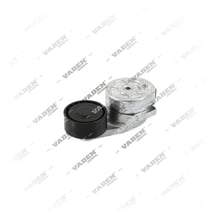
- Mechanically-driven fan system: Fan is belt-driven directly off the engine; a simple, rugged, time-tested design.
- Viscous (fan clutch) system: A viscous clutch modulates fan speed based on temperature, cutting fuel use and noise compared to a fixed mechanical fan.
- Electric fan system: A temperature sensor triggers an electric motor to drive the fan only when needed, for a more efficient, on-demand setup.
- Integrated EGR/oil cooler system: Adds heat exchangers that also cool exhaust gas and engine oil, supporting emissions control and overall efficiency.
How to Choose the Right Cooling System Part
- OEM number: Use the OEM number stamped on the old part or listed in the vehicle catalog as your reference for finding a true equivalent.
- Make, model and engine: Confirm the vehicle's make, model, engine code and production year — the same platform can use different radiator or pump variants.
- Size and fitment: Check radiator dimensions, hose diameters, pump flange and impeller design, and thermostat opening temperature against your vehicle's spec.
- Fan type: Match mechanical, viscous or electric fan drive and mounting to what the vehicle originally shipped with.
- Quality certification: Choose parts built to OE and ISO standards from a trusted manufacturer such as VADEN ORIGINAL.
Maintenance and What to Watch For
- Coolant level: Check the level regularly, top up as needed, and replace aged antifreeze on the schedule recommended by the manufacturer.
- Radiator cleaning: Dust, mud and debris packed into the radiator fins block airflow; regular cleaning heads off overheating.
- Hose and clamp inspection: Periodically check hoses for cracks, bulging or leaks, and confirm clamps are still holding tight.
- Thermostat and fan testing: Verify the thermostat opens and closes at the correct temperature and that the fan engages properly.
- Water pump check: Inspect the pump shaft for play, listen for noise, watch for leaks, and keep belt tension correctly set.
- Cap and pressure check: Confirm the radiator cap holds pressure correctly and replace its seal once it starts to wear.
Common Cooling System Problems and Fixes
- Engine is overheating: Cause: low coolant, a clogged radiator, or a stuck thermostat. Fix: check coolant level and radiator condition, and replace a faulty thermostat.
- Coolant is leaking: Cause: a cracked hose, loose clamp, or a leaking water pump seal. Fix: locate the leak and replace the affected hose or pump.
- Fan isn't running: Cause: a failed fan motor, temperature sensor, or viscous clutch. Fix: test the fan drive and sensor, then replace the faulty part.
- Engine warms up too slowly: Cause: a thermostat stuck open. Fix: replace the thermostat so the engine reaches operating temperature quickly.
- Water pump is making noise: Cause: a worn bearing or shaft play. Fix: replace the water pump and check belt tension.
- Expansion tank is boiling over: Cause: pressure loss, a faulty radiator cap, or trapped air. Fix: replace the cap, bleed the system, and verify pressure holds.
Why VADEN ORIGINAL?
- International quality: Cooling system parts manufactured to ISO and OE standards under strict quality control.
- Built to last: Materials selected specifically for heavy loads and long-haul duty cycles deliver a durable, dependable part.
- Broad compatibility: OE-equivalent coverage across Mercedes-Benz, MAN, Scania, Volvo, DAF, Iveco, Renault, BMC, Ford and more.
- Engineering expertise: Radiators, water pumps, thermostats and fans engineered specifically for heavy commercial vehicles and optimal cooling performance.
- Reliable supply: Fast delivery, deep stock and a customer-first approach keep your fleet running without cooling-system downtime.
Frequently Asked Questions (FAQ)
What does the cooling system do?
It removes the excess heat an engine generates while running by circulating coolant, keeping the engine in its ideal temperature range and preventing overheating-related damage.
What parts make up a truck cooling system?
The core components are the radiator, water pump, thermostat and fan, supported by the expansion tank, hoses and radiator cap.
What happens if the thermostat fails?
A thermostat stuck closed causes overheating, while one stuck open keeps the engine running cold and increases fuel consumption; either way, it needs to be replaced.
When should a water pump be replaced?
Replace it as soon as you notice a coolant leak, shaft-play noise, or weak circulation; it's also worth inspecting whenever the drive belt is replaced.
Why does a diesel engine overheat?
The most common causes are low coolant, a clogged or dirty radiator, a stuck thermostat, a fan that isn't engaging, or a failing water pump — identify the root cause and replace the affected part.
How often should coolant be changed?
Check coolant level and condition regularly and replace it on the interval the manufacturer specifies; degraded coolant increases the risk of corrosion and blockages.
Which trucks are VADEN ORIGINAL cooling parts compatible with?
VADEN ORIGINAL offers OE-equivalent cooling system parts for Mercedes-Benz, MAN, Scania, Volvo, DAF, Iveco, Renault, BMC, Ford and other major heavy commercial vehicle brands.
How do I pick the right cooling system part for my truck?
Match the OEM number on the old part, confirm the vehicle's make, model and engine, and verify the sizing and fitment before choosing a VADEN ORIGINAL equivalent.
Conclusion
The cooling system is one of the most critical systems on any heavy commercial vehicle, directly shaping engine performance, fuel efficiency and driving safety. Choosing the right parts and staying on top of maintenance prevents overheating and keeps your truck running longer. For dependable cooling performance even under the toughest conditions, choose VADEN ORIGINAL.
Related articles: Engine Overheating: Causes and Cooling System Failures · What Is Antifreeze/Coolant? Red vs Green Coolant Difference, and When to Change It
Related technical guide: Truck Radiator & Expansion Tank: Faults, Replacement & Care
Related technical guide: Engine Overheating in Heavy-Duty Trucks: Causes & Fixes