What Is an Air Disc Brake Caliper Caliper?
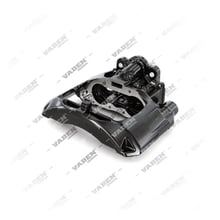
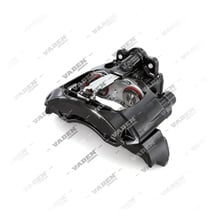
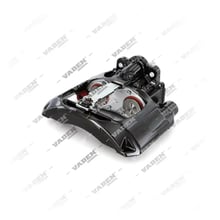
An air disc brake caliper is the brake component that squeezes a rotating brake disc between two pads, using friction to slow and stop the vehicle. Heavy commercial vehicles almost always use air-actuated disc brake calipers: when the driver presses the brake pedal, the resulting air pressure is converted inside the caliper's mechanism into clamping force on the pads. Built from cast iron or lightweight alloy housings, these calipers are engineered to withstand extreme heat and pressure cycles, delivering consistent stopping power even under full load. VADEN ORIGINAL air disc brake calipers are built for trucks, tractor units and trailer fleets that need dependable, long-lasting braking performance mile after mile.
How Does an Air Disc Brake Caliper Work?
- 1. Pressure builds: When the driver presses the brake pedal, compressed air (or hydraulic fluid on some systems) activates the caliper's internal mechanism.
- 2. Pads clamp down: The mechanism and thrust piece push the brake pads against both faces of the disc.
- 3. Friction slows the wheel: Friction between the pads and disc converts the vehicle's kinetic energy into heat, slowing the vehicle.
- 4. Release and retraction: When the pedal is released, the mechanism retracts, the pads pull away from the disc and the wheel spins freely again.
- ABS/EBS integration: Wear sensors and mechanism response work together with ABS/EBS to balance braking pressure and reduce wheel lock-up or skidding.
Main Components and Subcategories
- Brake Pads: The heat- and wear-resistant friction elements that press against the disc to generate stopping force.
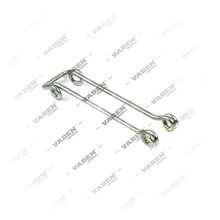
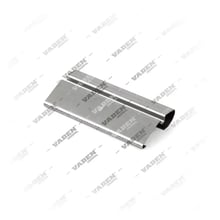
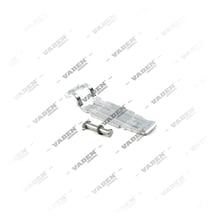
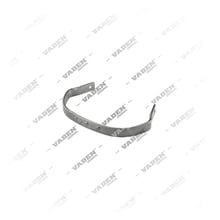
- Pad Retainer / Spring: Holds the brake pads securely in position inside the caliper, preventing rattle and shifting.
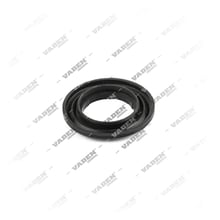
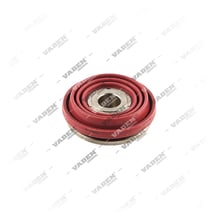
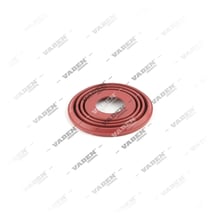
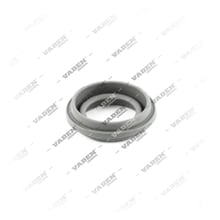
- Brake Boot: A flexible sealing bellows that protects the mechanism and moving parts from dust, water and road grime.
- Caliper Grease: High-temperature specialty grease for lubricating the mechanism and sliding surfaces.
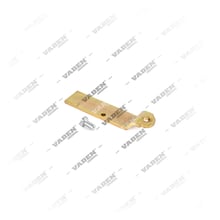
- Actuation Lever: Transfers air pressure into the mechanism, initiating the transmission of braking force.
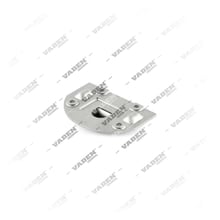
- Pad Backing Plate: Support plate behind the brake pad that provides heat insulation and reduces noise.
- Caliper Housing (Bare): The machined bare caliper body onto which all internal components are assembled.
- Thrust Piece / Pusher: The pressure-transmitting element that pushes the mechanism's force through to the brake pads.
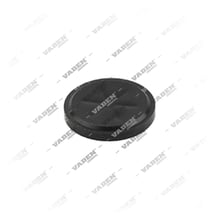
- Caliper Cover: Protective cap that shields the caliper mechanism from external contamination.
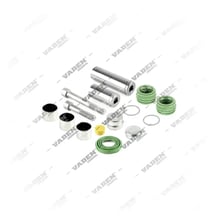
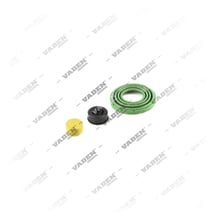
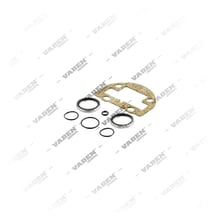
- Caliper Rubber Kit: Rubber seals and gaskets that provide sealing and dust protection for the caliper.
- Complete Caliper with Carrier (Pads Not Included): A ready-to-install complete caliper supplied with its carrier bracket, excluding brake pads.
- Complete Caliper without Carrier (Pads Not Included): A complete caliper designed to bolt onto an existing carrier, excluding pads and carrier.
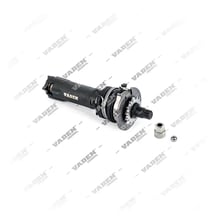
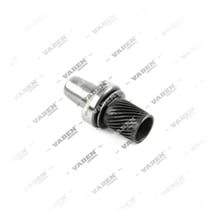
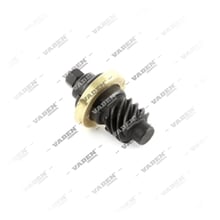
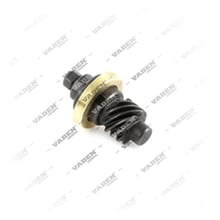
- Caliper Mechanism: The internal gear and cam assembly that converts air pressure into clamping force — the heart of the caliper.
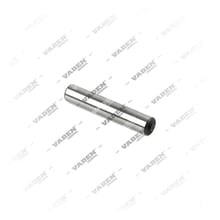
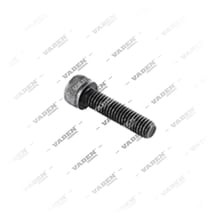
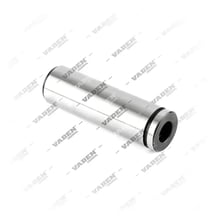
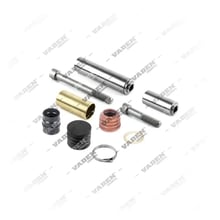
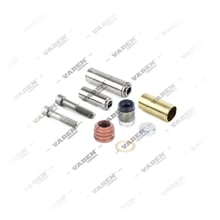
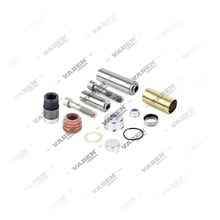
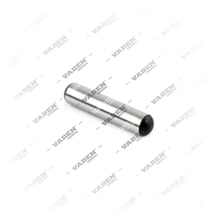
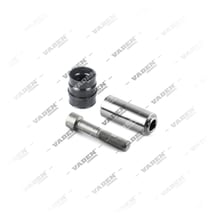
- Guide Pin (Caliper Bolt): The guide pin that allows the caliper to slide on its carrier.
- Caliper Sensor: Monitors pad wear and brake status, working in tandem with ABS/EBS systems.
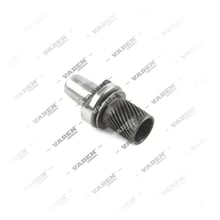
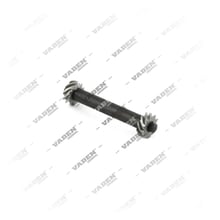
- Caliper Shaft: Transfers force from the actuation lever through to the mechanism.
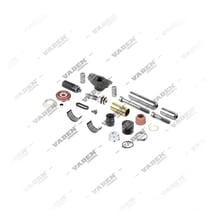
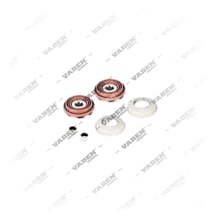
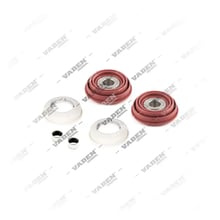
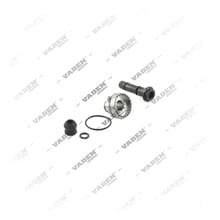
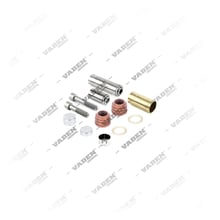
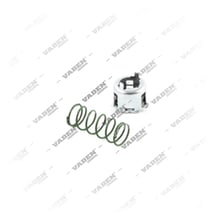
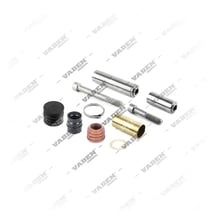
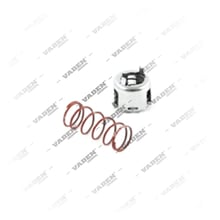
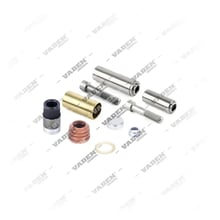
- Caliper Repair Kits: Overhaul kits containing boots, rubber seals, guide pins and small parts to renew a worn caliper.
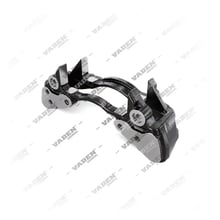
- Caliper Carrier / Bracket: The carrier bracket that mounts the caliper to the axle/knuckle and aligns it with the disc.
- Caliper Types: Caliper models and variants matched to different vehicle and axle configurations.
- Mechanism (Sub-assembly): The complete internal sub-assembly responsible for generating clamping force inside the caliper.
Air Disc Brake Caliper Technical Summary
| Attribute | Description |
|---|
| Scope | Complete calipers, mechanisms, repair kits, brake pads, boots, guide pins, carriers and sensors |
| Vehicle types | Heavy commercial vehicles: trucks, tractor units, trailers, semi-trailers, buses and coaches |
| Compatibility | Vehicles fitted with air disc brake (ADB) systems; matched by OE brand, model and caliper type |
| System / standard | Air disc brake (ADB), ABS/EBS compatible; manufactured to ISO and OE quality standards |
| OE-match approach | OE-equivalent design for Knorr-Bremse- and Wabco-type systems; original dimensions and mounting interfaces |
| Materials | Cast iron or alloy housings with heat- and pressure-resistant sealing components |
| Maintenance | Regular pad/disc wear checks, boot and guide pin inspection, periodic lubrication |
What Types of Air Disc Brake Caliper Calipers Are There?
- Air disc brake (ADB) caliper: The standard type on heavy commercial vehicles; air-actuated and capable of high clamping force.
- Sliding / floating caliper: The most common caliper architecture, sliding on guide pins to apply even pad pressure across the disc.
- Axle- and position-specific variants: Left- and right-hand versions sized for front axle, rear axle and trailer/semi-trailer applications.
- Brand/system-specific designs: Caliper types and mechanisms that differ between Knorr-Bremse-based and Wabco-based brake systems.
- Complete units vs. component parts: Options ranging from complete calipers (with or without carrier) to repair kits and individual replacement parts.
How Do You Choose the Right Air Disc Brake Caliper Caliper?
- OEM part number: Match against the OE part number on the existing caliper or mechanism — the most reliable way to guarantee fitment.
- Make and model: Confirm the vehicle's make, model and production year (Mercedes-Benz, MAN, Scania, Volvo, DAF, Iveco, Renault, BMC, Ford).
- Brake system type: Identify the underlying system architecture — Knorr-Bremse or Wabco — since air disc brake designs differ between them.
- Axle position and side: Select the correct variant for front/rear axle and left/right side, including trailer and semi-trailer positions.
- Dimensions and mounting: Check disc diameter, pad size, and bolt/guide pin dimensions all match before ordering.
- Complete caliper or repair kit?: If the housing and mechanism are sound, a repair kit is often enough; choose a complete caliper if the housing itself is damaged.
Maintenance and What to Watch For
- Pad and disc wear: Check brake pad thickness and disc surface condition regularly, replacing worn parts before they reach critical limits.
- Boots and seals: Inspect brake boots and caliper rubber seals for tears, hardening or leaks, and renew them as needed.
- Guide pin movement: Guide pins must slide freely; a seized pin causes uneven, one-sided pad wear.
- Air system and leaks: Test the air brake circuit periodically for leaks to prevent pressure loss and inconsistent braking.
- Lubrication: Lubricate the mechanism and moving parts on a regular schedule using an appropriate high-temperature grease.
- Sensor checks: Monitor caliper/pad wear sensors and ABS warning signals closely, and never ignore fault indications.
Common Faults and How to Fix Them
- Vehicle pulls to one side under braking: Cause: a seized guide pin or uneven pad wear on one side. Fix: clean and lubricate the guide pins and replace pads as a matched pair.
- Squealing or grinding noise: Cause: worn pads, a missing backing plate/shim, or debris in the caliper. Fix: inspect pads and backing plates, then clean and lubricate the caliper.
- Weak or delayed braking: Cause: an air leak, mechanism fault, or worn pads. Fix: test the air system and inspect/replace the mechanism and pads as required.
- Caliper won't release (brake stays engaged): Cause: a seized mechanism or guide pin, often from dirt ingress through a damaged boot. Fix: overhaul the mechanism with a repair kit and replace the boots.
- Overheating and burning smell: Cause: constant friction from a caliper that isn't releasing fully or a seized pad. Fix: restore free caliper movement and replace any faulty parts.
- Wear sensor warning light: Cause: pads have reached the wear limit, or the sensor itself has failed. Fix: replace the pads and renew the caliper sensor if necessary.
Why Choose VADEN ORIGINAL?
- Built for heavy duty: Calipers and components engineered for wear resistance and high operating temperatures on heavy-duty vehicles.
- OE-matched fitment: Replacement parts engineered to original dimensions and mounting interfaces for Knorr-Bremse- and Wabco-type systems.
- Full-range coverage: A complete parts range from full calipers to mechanisms, repair kits, boots, guide pins, pads and sensors.
- Safe, balanced braking: Even pressure distribution and full ABS/EBS compatibility for stable, predictable stopping performance.
- Easy installation and service: Modular design and repair kits enable fast, straightforward fitting and lower service costs.
- Quality assurance: Manufactured to international quality standards with rigorous quality-control processes.
Frequently Asked Questions (FAQ)
What does an air disc brake caliper do?
It clamps the brake disc between two pads to generate friction, slowing and stopping the vehicle safely. Heavy commercial vehicles typically use air-actuated disc brake calipers powered by the vehicle's compressed air system.
How do you tell if a brake caliper is failing?
Common signs include the vehicle pulling to one side under braking, squealing or grinding noise, delayed or weak braking, a caliper that won't release, overheating, or a wear-sensor warning light. Any of these should be inspected promptly.
Should I buy a repair kit or a complete caliper?
If the caliper housing and mechanism are structurally sound, a repair kit with boots, seals and guide pins is usually sufficient. If the housing is cracked, badly worn, or the mechanism is severely damaged, a complete caliper replacement is the safer choice.
What vehicles use air disc brake calipers?
They're standard equipment on heavy commercial vehicles — trucks, tractor units, trailers, semi-trailers and buses. Caliper types vary by manufacturer, covering brands such as Mercedes-Benz, MAN, Scania, Volvo, DAF, Iveco, Renault, BMC and Ford.
How do I choose the correct replacement caliper?
The safest approach is to match the OE part number from the existing caliper or mechanism. Also confirm vehicle make, model and year, the brake system type (Knorr-Bremse or Wabco), axle position and side, and disc/pad dimensions.
How often should air disc brake calipers be serviced?
Pad and disc wear, boot and guide pin condition, and air system leaks should all be checked at every scheduled service interval. The mechanism and moving parts need regular lubrication with a suitable high-temperature grease.
Why does the caliper guide pin matter so much?
The guide pin lets the caliper slide freely on its carrier so pad pressure stays even. A seized pin causes one-sided pad wear, pulling under braking, and a caliper that's slow to release — regular cleaning and lubrication prevents this.
Are VADEN ORIGINAL air disc brake calipers compatible with OE systems?
Yes. VADEN ORIGINAL calipers and components are manufactured to OE-equivalent dimensions and mounting interfaces for Knorr-Bremse- and Wabco-type air disc brake systems, and are fully compatible with ABS/EBS.
Conclusion
The air disc brake caliper is the single most critical brake component for safe stopping and road safety on heavy commercial vehicles, and choosing the right part with regular maintenance directly protects both driver safety and part lifespan. With a full range spanning complete calipers, mechanisms, repair kits and brake pads, VADEN ORIGINAL delivers reliable, durable and OE-matched braking solutions for fleets and commercial vehicle operators.
Related technical guide: Air Disc Brake Caliper · Download PDF
Related articles: Disc Brakes vs. Drum Brakes: A Heavy-Duty Vehicle Comparison · Air Brake Caliper: Air Disc Brake Systems Explained
Related technical guide: Brake Caliper Overhaul Kit: Guide Pins, Boots & Adjuster