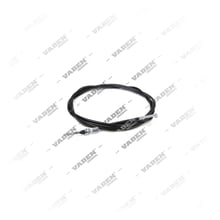
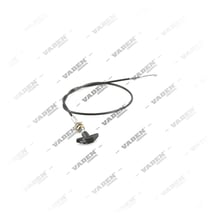
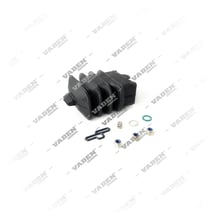
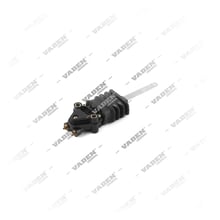
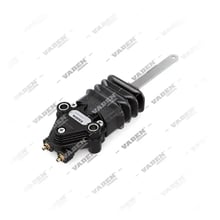
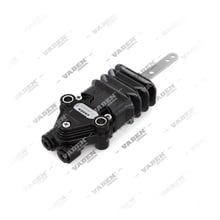
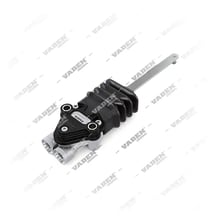
What is a truck cabin?
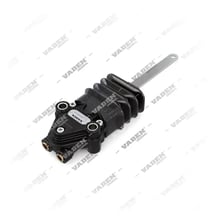
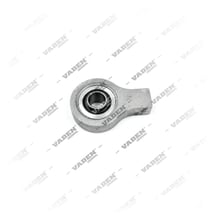
A truck cabin is the complete, integrated structure that forms the driver and passenger compartment of a heavy commercial vehicle, combining the load-bearing shell, doors, front panel, heating and ventilation, cab suspension and cab tilt mechanism into a single system. It is far more than a passenger compartment: it is the vehicle's control center, a crash-safety zone, and the space where the driver works for hours on end. In trucks, tractor units and buses, the cabin insulates occupants from weather, noise and vibration while providing an ergonomic driving environment. VADEN ORIGINAL engineers durable, high-quality cabin components for commercial vehicles, supporting long service life and safe daily operation.
What does the cabin system do, and how does it work?
- Protection: Acts as a protective shell, isolating the driver and passengers from weather, noise, vibration, dust and other environmental factors.
- Comfort: The cab suspension together with the heating and ventilation system reduces driver fatigue on long hauls, creating an ergonomic, comfortable workspace.
- Safety: A reinforced load-bearing structure, door locks and panel locks are engineered to protect the driver and passengers in the event of a collision.
- Control center: Brings the dashboard, front panel and control organs together in an ergonomic layout the driver can reach easily.
- Service access: The cab tilt (lifting) mechanism allows the cabin to be tilted forward, giving technicians access to the engine and underlying systems.
What are the main components and sub-categories?
- Storage Box: The in-cab compartment and cover assembly where the driver keeps documents, tools and personal items organized.
- Heating: The heater core, fan and air duct components that provide cab heating and ventilation; essential for driver comfort and windshield defogging.
- Cab Tilt / Lift: The hydraulic cab tilt pump, cylinder and mechanism parts that tilt the cabin forward for engine access.
- Door: The cab door, hinges, lock, window regulator and seal assembly, which directly affect sealing, security and noise insulation.
- Engine Hood: On bonnet-type cabs, the hood panel, hinges and latches that cover the engine and allow it to be opened and closed.
- Front Panel: The panel, grille and trim parts forming the front of the cabin, providing aerodynamics and impact protection.
- Panel Lock: The locking mechanisms that secure the front panel and service covers, preventing vibration-induced opening and ensuring a secure close.
- Suspension: The cab suspension — air bellows, shock absorbers, stabilizer bar and bushings — that dampens road shocks and reduces vibration and driver fatigue.
Cabin system technical summary
| Attribute | Description |
|---|
| Scope | Cabin load-bearing structure, doors, front panel, heating, cab tilt mechanism, cab suspension and storage components |
| Vehicle type | Trucks, tractor units, trailer-towing tractors, buses and other heavy commercial vehicles |
| Compatibility | Fits OE brands and models including Mercedes-Benz, MAN, Scania, Volvo, DAF, Iveco, Renault, BMC and Ford |
| System / standard | Manufactured to OE production standards, ISO quality management and commercial-vehicle durability criteria |
| OE-equivalent approach | Designed to original equipment quality; selected and matched to the vehicle by OEM reference number |
| Maintenance | Periodic checks of seals, hinges, suspension bellows and locks; regular monitoring of cab tilt hydraulic fluid level |
What types of cabin are there?
- Day cab: Typically a two-seat, compact-interior design common in urban distribution and light commercial vehicles.
- Extended / crew cab: Offers a larger interior and passenger capacity, suited to crew transport and medium-distance operation.
- Sleeper cab: A spacious cab type used on long-haul tractor units, providing the driver a rest and sleeping area.
- Open/canopy cab: A simplified, open-top cab type used on special work machines, port equipment and agricultural vehicles.
- Tilt cab: A heavy-vehicle cab structure that tilts forward via the cab lift mechanism to simplify engine service access.
How do you choose the right cabin part?
- Match the OEM number: The most reliable method is matching the OEM reference number on the existing part to its VADEN ORIGINAL equivalent.
- Confirm make and model: Verify the part against the vehicle's make (Mercedes-Benz, MAN, Scania, Volvo, DAF, Iveco, Renault, BMC, Ford) and model.
- Model year and cab type: Day, extended and sleeper cab variants of the same model can change component dimensions; account for chassis and production year.
- Dimensions and mounting points: Confirm hinge-hole spacing, bellows size, lock housing and mounting points match exactly.
- Left/right side and version: For doors, locks and panel parts, check left-right orientation and equipment version (electric/manual).
What should you watch for in cabin maintenance?
- Cleaning and corrosion checks: Clean the cabin's interior and exterior surfaces regularly; on heavy vehicles, prevent rust and dirt buildup on metal surfaces especially.
- Seal inspection: Inspect door and window seals regularly; replace worn seals to keep out water, dust and wind noise.
- Heating and ventilation upkeep: Check the heater core, fan and cabin air filter to maintain optimal airflow and windshield defogging performance.
- Cab suspension monitoring: Check the suspension bellows, shock absorbers and bushings for wear or air leaks to maintain vibration isolation.
- Cab tilt hydraulics: Monitor the cab tilt pump's fluid level and cylinder seal integrity; verify locks are released before tilting the cabin.
- Professional servicing: Have mounting points, hinges and mechanical components inspected periodically by qualified technicians.
What are common cabin faults and how are they fixed?
- Cab noise and vibration: Cause: worn or loosened cab suspension bellows/shock absorbers or mounting points. Fix: inspect suspension components and fastener torque, and replace worn parts.
- Corrosion / rust: Cause: moisture, road salt and paint damage leading to rust on metal surfaces. Fix: address early with rust removal, protective coating, and panel replacement if needed.
- Insufficient heating or cooling: Cause: heater core blockage, fan failure, or a clogged cabin air filter. Fix: replace the filter and have the heater core and fan circuit inspected.
- Water or dust ingress: Cause: aged or hardened door and window seals. Fix: replace leaking seals and check the door's closing alignment.
- Cab won't tilt up or down: Cause: low hydraulic fluid in the cab tilt system, or a pump/cylinder leak. Fix: top up the fluid and have the leaking cylinder, pump and hydraulic lines inspected.
- Door or panel lock won't hold: Cause: worn lock mechanism, sagging hinge, or fatigued panel-lock spring. Fix: adjust the lock and hinge, and replace the fatigued panel lock.
Why choose VADEN ORIGINAL cabin components?
- OE-standard manufacturing: Engineered to original equipment quality for a precise fit and dependable performance.
- Long-lasting materials: Material selection built to withstand demanding road and climate conditions, delivering long service life in heavy-duty use.
- Broad product range: Solutions covering Mercedes-Benz, MAN, Scania, Volvo, DAF, Iveco, Renault, BMC and Ford, among many other makes and models.
- Quality control processes: Every batch is audited for durability and fit through ISO quality management and rigorous inspection steps.
- Technical support and warranty: Professional technical support and warranty coverage for cabin part selection, installation and maintenance.
Frequently Asked Questions (FAQ)
What parts make up a truck cabin?
A truck cabin comprises the storage box, heating system, cab tilt mechanism, doors, engine hood, front panel, panel locks and cab suspension. Together these sub-systems deliver driver comfort, safety and vehicle control.
What does cab suspension do?
Cab suspension uses air bellows, shock absorbers and bushings to dampen road shocks and vibration. It reduces driver fatigue on long hauls and improves in-cab comfort. Worn bellows or shocks cause noticeably more vibration and noise.
Why won't the cab tilt up or down?
The most common cause is low hydraulic fluid in the cab tilt system, or a pump/cylinder leak. Check the hydraulic fluid level first; if the issue persists, have a technician inspect the cylinder and pump for leaks. Always confirm the locks are released before tilting the cab.
When should cabin door seals be replaced?
Replace door and window seals once they harden, crack, or start letting in water, dust or wind noise. Worn seals compromise sealing and shorten the life of interior components and comfort.
How do I pick the right cabin part for my truck?
The most reliable method is matching the OEM number on the existing part to its VADEN ORIGINAL equivalent. You should also confirm the vehicle's make, model, production year, cab type (day/extended/sleeper) and left/right orientation.
Which trucks are VADEN ORIGINAL cabin parts compatible with?
VADEN ORIGINAL cabin components are manufactured to OE standards for a wide range of heavy commercial vehicles, including Mercedes-Benz, MAN, Scania, Volvo, DAF, Iveco, Renault, BMC and Ford. For guaranteed fitment, match by OEM reference number.
What causes vibration and noise inside the cab?
Vibration and noise usually come from worn cab suspension bellows or shock absorbers, loose mounting points, or aged door seals. Checking the suspension components, fastener torque and seals typically resolves the issue.
How often should cabin maintenance be performed?
Exterior and corrosion checks, seal inspection, heating system service and suspension checks should all be done at regular service intervals. Cab tilt hydraulic fluid level should also be monitored routinely, with any issue addressed early.
Conclusion
The cabin is a vital system in heavy commercial vehicles, bringing together comfort, safety and vehicle control in one structure — regular maintenance and the right component choice directly determine its lifespan and driving safety. From cab tilt mechanisms to suspension, doors and heating, choose VADEN ORIGINAL cabin systems for durable, OE-standard, dependable solutions across every sub-component.
Related technical guide: Cab Tilt Pump: Faults, Replacement & Maintenance Guide