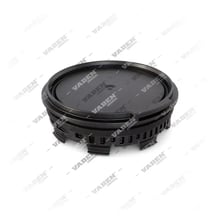
What Is a Wheel Hub?
A wheel hub is the rotating carrier assembly that mounts the wheel on the axle spindle and allows it to turn freely on its bearings. In heavy-duty and commercial vehicles, the hub absorbs static and dynamic loads, braking torque and road shock, making it one of the most safety-critical links between chassis and wheel. On trucks, tractor units and trailers, a robust hub assembly is what keeps the wheel end stable, tracking straight and free of vibration under sustained heavy loads. VADEN ORIGINAL wheel hub components are engineered for long service life and consistent performance, keeping commercial fleets running safely and efficiently.
How Does a Wheel Hub Work?
- Load transfer: Carries the vehicle's weight and cargo tonnage from the axle to the wheel in a controlled, balanced way.
- Friction reduction: The wheel bearing inside the hub minimizes friction between wheel and axle, allowing smooth, low-resistance rotation.
- Secure mounting: Studs, nuts and the hub flange keep the wheel firmly fixed to the axle so it can't loosen under driving loads.
- Stability and balance: Keeps the wheel in even contact with the road surface, improving grip and reducing vibration.
- Braking support: Works together with the brake disc or drum to transfer braking force safely and consistently.
Core Components and Subcategories
- Wheel Hub: The main carrier body that mounts the wheel to the axle and lets it rotate — available under the VADEN ORIGINAL wheel hub range for heavy-vehicle applications.
- Hub Body: The central housing that lets the wheel spin securely around the hub assembly.
- Wheel Bearing: Reduces friction between the wheel and hub for smoother rotation and lower operating temperature.
- Hub Flange: Reinforces the connection between the hub body and the wheel, spreading the load evenly across mounting points.
- Seals: Protect the bearing and internal components from water, dust and debris, preventing wear and grease leakage.
- Bolts and Nuts: Fastening hardware that locks the hub and wheel firmly onto the axle.
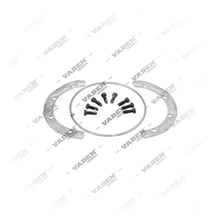
- Repair Kit: A complete set for renewing worn or damaged hub components together in one service.
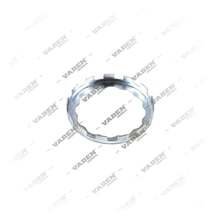
- Clamp: Reinforces hub-assembly connections for a tighter, more durable installation.
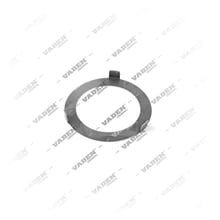
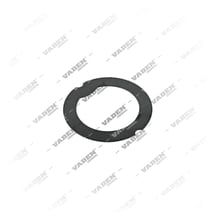
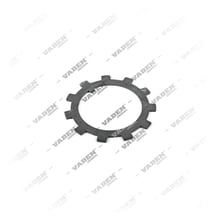
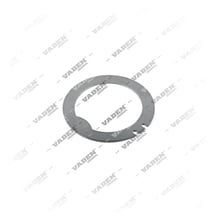
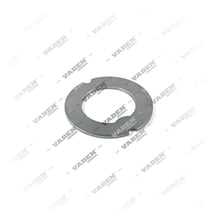
- Washers: Maintain fastener tightness during assembly and help prevent loosening over time.
Technical Overview
| Attribute | Details |
|---|
| Scope | Hub body, wheel bearing, flange, seals, bolts/nuts, repair kits, clamps, washers |
| Vehicle types | Trucks, tractor units, trailers, buses and other heavy commercial vehicles |
| Compatibility | Matched to relevant axle and model applications for Mercedes-Benz, MAN, Scania, Volvo, DAF, Iveco, Renault, BMC and Ford |
| System / standard | Manufactured to OE-equivalent production logic, ISO quality management and relevant safety requirements |
| OE-equivalent approach | Dimensionally and functionally matched to original-equipment tolerances; confirm exact fitment against your vehicle's OEM part number |
| Materials | High-strength steel/cast housings paired with premium-grade bearing materials |
| Maintenance | Regular checks of axle play, grease condition and seal integrity; replace promptly at the first sign of wear |
Types of Wheel Hubs
- Drive axle hub: Used on driven axles that transmit engine power to the wheels; built to handle higher torque loads.
- Non-driven (carrier) axle hub: Used on front or intermediate axles that carry load but don't transmit drive torque.
- Trailer / semi-trailer hub: Designed for trailer and semi-trailer axles, built for long-haul duty and heavy tonnage.
- Disc brake hub: Configured to work with disc brake systems on heavy vehicles.
- Drum brake hub: Designed for use with drum brake setups.
- ABS sensor-ready hub: Compatible with ABS/EBS systems, featuring the tone ring or tooth pattern needed for wheel-speed sensors.
How to Choose the Right Wheel Hub
- OEM part number: The most reliable method — match the correct replacement against your vehicle's original wheel hub OEM number.
- Make and model: Confirm the exact make, model and production year — Mercedes-Benz, MAN, Scania, Volvo, DAF, Iveco, Renault, BMC or Ford.
- Axle position: Front, drive (tractive) or trailer axle, plus left/right position, determines the correct hub type.
- Brake type: Whether the vehicle uses disc or drum brakes affects the hub's flange and mounting design.
- Bolt pattern and dimensions: Stud count, PCD (bolt circle), center bore and bearing dimensions must match the vehicle exactly.
- ABS/EBS compatibility: For vehicles with wheel-speed sensors, the hub must match the required sensor ring/tooth configuration.
Maintenance Tips
- Check the wheel bearing: Inspect axle play, noise and looseness regularly, and replace at the first sign of wear.
- Grease and lubrication: Verify grease level and cleanliness, topping up or renewing with the correct grease grade as needed.
- Seal condition: Inspect hub seals regularly for water and dust ingress, and replace if damaged.
- Bolt and nut torque: Confirm fasteners are tightened to the correct torque specification on a regular basis.
- Monitor heat: Excessive hub temperature can signal a developing bearing or brake problem — never ignore it.
- Replace early: At the first signs of a fault, install a repair kit or complete hub assembly promptly to maintain safety.
Common Wheel Hub Problems and Fixes
- Humming or growling noise from the wheel: Cause: worn or under-greased wheel bearing. Fix: inspect and renew the bearing, and replenish the grease.
- Vibration and shaking: Cause: wear in the hub body or bearing, increased axle play. Fix: measure and adjust play, or replace the hub/bearing.
- Wheel feels loose: Cause: loosened bolts/nuts or excess bearing play. Fix: retorque fasteners correctly, replace the bearing if needed.
- Vibration under braking: Cause: hub body or bearing fault, or runout. Fix: inspect hub and brake components, replace the faulty part.
- Grease leakage and contamination: Cause: damaged or aged seal. Fix: replace the seal and clean/replenish the bearing grease.
- Hub overheating: Cause: insufficient grease, over-tightened bearing, or brake drag. Fix: check adjustment and grease, replace the bearing/hub if necessary.
Why Choose VADEN ORIGINAL?
- OE-grade manufacturing: Wheel hub systems built to original-equipment dimensions and tolerances.
- Durable materials: High-resistance housing and bearing materials engineered for heavy loads and demanding road conditions.
- Broad product range: Reliable wheel hub solutions covering multiple makes, models and axle types.
- Maximum safety: Balanced, vibration-free wheel rotation for safer driving.
- Quality control: Manufactured under ISO quality management with strict inspection processes.
- Technical support: Expert guidance for fast, accurate part selection and installation.
Frequently Asked Questions (FAQ)
What is a wheel hub and what does it do?
A wheel hub is the carrier assembly that mounts the wheel to the axle and allows it to rotate on its bearings. It carries the vehicle's load and braking force, delivering safe, balanced, vibration-free wheel rotation.
What are the signs of a bad wheel hub?
Common symptoms include a humming or growling noise from the wheel, vibration while driving, a loose-feeling wheel, shaking under braking, and hub overheating. Any of these warrant an inspection of the hub and wheel bearing.
When should a wheel bearing be replaced?
Replace it when you notice continuous humming, increased axle play, a loose-feeling wheel, or hub overheating. Routine maintenance should include checking bearing play and grease condition.
How do I choose the correct wheel hub for my truck?
The most reliable method is matching your vehicle's original wheel hub OEM part number. Also confirm make, model, production year, axle position (front/drive/trailer), brake type, and bolt pattern/dimensions.
Which trucks and trailers is VADEN ORIGINAL wheel hub compatible with?
VADEN ORIGINAL wheel hub components are offered for the relevant heavy-duty models and axles of Mercedes-Benz, MAN, Scania, Volvo, DAF, Iveco, Renault, BMC and Ford. Exact fitment should always be confirmed against the OEM part number.
What's the difference between a drive axle hub and a non-driven axle hub?
A drive axle hub transmits engine power to the wheel and handles higher torque loads, while a non-driven (carrier) axle hub only supports weight without transmitting drive torque. Their construction and durability requirements differ accordingly.
What maintenance does a wheel hub need?
Regularly check bearing play and noise, grease level, seal condition, and bolt/nut torque. Don't ignore symptoms like overheating or vibration — address them with an early replacement when needed.
What's included in a wheel hub repair kit?
A wheel hub repair kit typically includes the bearing, seals, and the necessary fasteners or sealing components, letting you renew the worn hub parts together for a safer, longer-lasting repair.
Conclusion
The wheel hub is a safety-critical system in heavy trucks and commercial vehicles, directly affecting secure wheel mounting, balanced rotation and overall road holding. Regular maintenance paired with the right, durable hub components keeps driving safety and comfort where they need to be. Choose VADEN ORIGINAL wheel hub solutions for long-lasting, safe, vibration-free performance on every haul.
Related articles: What Is a Wheel Hub? Wheel Bearing Failure and Symptoms
Related technical guide: Truck Wheel Hub: Faults, Replacement and Maintenance Guide