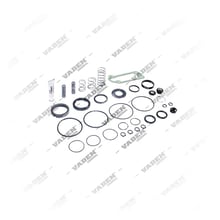
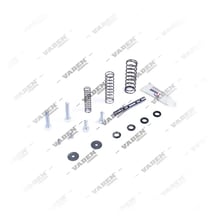
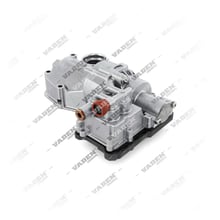
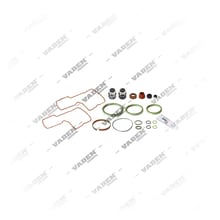
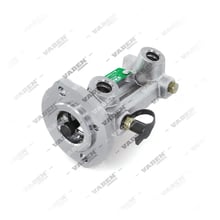
What is a gearbox?
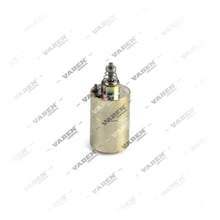
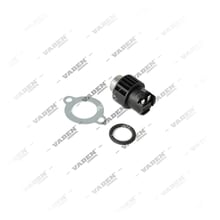
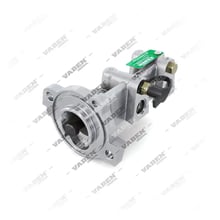
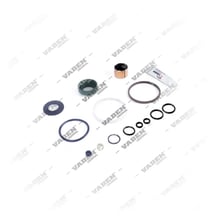
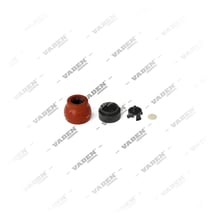
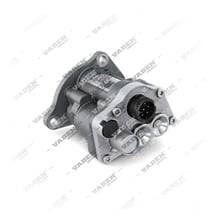
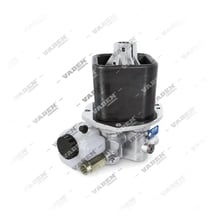
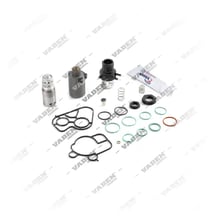
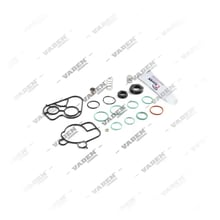
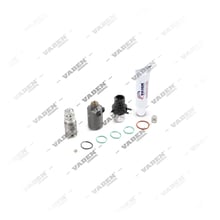
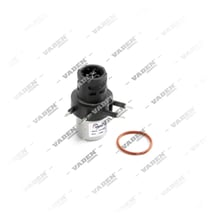
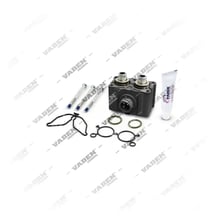
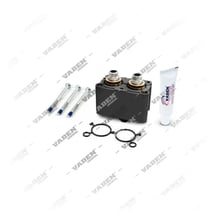
A gearbox is the drivetrain unit that transmits engine power to the wheels through a series of gear ratios, balancing torque and road speed as driving conditions change. In heavy commercial vehicles, the gearbox lets the engine stay in its optimal RPM range even under heavy loads, so the truck has enough pulling power on steep grades and still runs fuel-efficiently on the highway. VADEN ORIGINAL manufactures rugged, high-performance gearbox parts for truck, tractor unit, bus and trailer transmissions, keeping power transfer smooth and uninterrupted.
How does a gearbox work, and what does it do?
- Torque conversion: Multiplies or reduces engine torque through gear ratios to control acceleration and hill-climbing ability.
- Gear shift management: The shift tower, cylinders and electronic control units work together to select the gear that keeps the engine in its ideal RPM band.
- Fuel efficiency: Keeps the engine in its optimal rev range, cutting fuel consumption and emissions.
- Braking support: Transmissions fitted with a retarder allow controlled deceleration on long descents without overloading the service brakes.
- Power take-off (PTO): Diverts drive power from the gearbox to auxiliary hydraulic equipment such as cranes, tippers and pumps.
Core components and sub-categories
- Pressure Sensor: Measures air or oil pressure inside the gearbox so gear shifts are timed correctly.
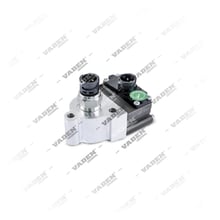
- Transmission Control Unit (TCU): The gearbox's electronic brain, managing gear changes based on engine load and vehicle speed.
- Control Housing: Protects the control and shift components from dirt, moisture and road debris.
- Shift Tower: Guides the gear-shift mechanism for precise, consistent gear engagement.
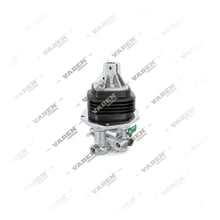
- Shift Cylinder: The pneumatic or hydraulic actuator that moves the shift forks.
- PTO (Power Take-Off): Transfers gearbox output to hydraulic pumps and other auxiliary systems.
- Retarder: A wear-free auxiliary brake that reduces load on the service brakes and engine during long descents.
- Sensor: Monitors RPM, position and temperature data to keep the gearbox running smoothly.
- Shifting Cylinder: Drives the gear-change motion and handles precise ratio engagement.
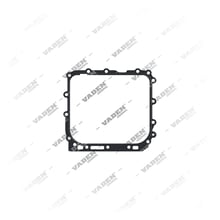
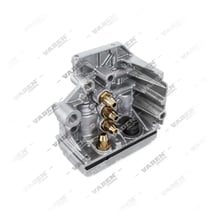
- Gearbox Housing: The main casing that houses the gears and shafts — the core of power transmission.
- Gearbox Cylinder: The pneumatic/hydraulic cylinder component that actuates the shift mechanism.
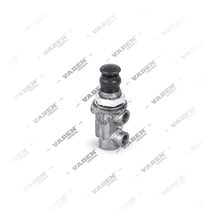
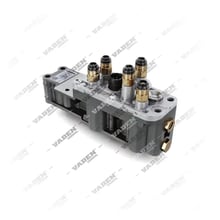
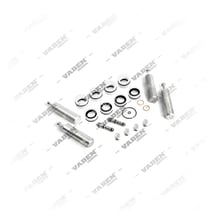
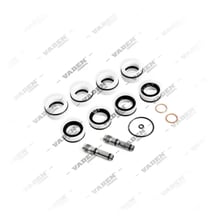
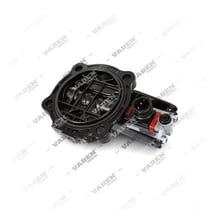
- Valve: Regulates pressure and flow direction so cylinders and actuators operate correctly.
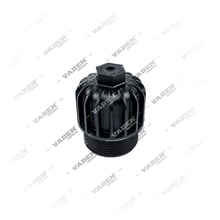
- Oil Filter: Traps metal particles and contaminants in the gearbox oil, protecting gears and bearings.
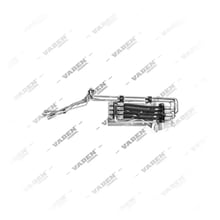
- Oil Cooler: Prevents transmission oil from overheating, extending system life and efficiency.
Technical summary
| Attribute | Details |
|---|
| Scope | Gearbox drivetrain system and sub-components (retarder, PTO, sensors, cylinders, oil coolers, etc.) |
| Vehicle types | Trucks, tractor units, buses, trailers and other heavy commercial vehicles |
| Compatibility | OE-equivalent parts fitting Mercedes-Benz, MAN, Scania, Volvo, DAF, Iveco, Renault, BMC and Ford transmissions |
| System / standard | Manual, automatic, semi-automatic and retarder-equipped transmission systems |
| OE-equivalent approach | Manufactured to OE fit, form and function under ISO-based quality processes |
| Maintenance | Regular oil and filter checks, sensor and valve testing, gear/shaft wear inspection |
What types of gearbox are there?
- Manual Gearbox: The classic transmission where the driver selects gears by hand; its high torque capacity suits heavy-duty trucks.
- Automatic Gearbox: Shifts gears automatically, offering comfort and ease of use for both urban delivery and long-haul operation.
- Semi-Automatic (AMT) Gearbox: Combines manual and automatic principles, using hydraulic or electronic assistance to smooth gear changes and improve fuel economy.
- Retarder-Equipped Gearbox: Adds strong, wear-free braking assistance, boosting safety on long descents for heavily loaded trucks and buses.
How do you choose the right gearbox part?
- OEM number: Use the OE number stamped on the existing part as your reference point — it's the most reliable way to find an exact match.
- Make and model: Confirm compatibility with the vehicle's make (Mercedes-Benz, MAN, Scania, Volvo, DAF, Iveco, Renault), model and production year.
- Gearbox type: Select components suited to the transmission type — manual, automatic, semi-automatic or retarder-equipped.
- Size and fitting: Connection type, thread size and socket layout on cylinders, sensors and valves must match the original part exactly.
- Electronic compatibility: For sensors and control units, verify signal type and protocol compatibility with systems such as Wabco or Knorr-Bremse.
Maintenance and what to watch for
- Check gearbox oil regularly: Monitor oil level, top up as needed, and change it at the manufacturer's recommended intervals.
- Replace the oil filter on schedule: A clogged filter lets contaminants reach the gears and bearings, accelerating wear.
- Test sensors and valves: Periodic testing prevents delayed or degraded gear shifts caused by faulty sensors or valves.
- Inspect gears and shafts: Check for wear, cracking or excess play, and replace affected components before damage spreads.
- Check the retarder system: Test the retarder and its solenoid valves regularly to keep auxiliary braking reliable.
- Keep the oil cooler clean: A blocked cooler causes overheating that shortens gearbox life — inspect it routinely.
Common gearbox faults and fixes
- Delayed or harsh gear shifts: Usually caused by low pressure, a faulty shift cylinder, or an air/oil leak; inspect the cylinder and valves and replace the failed part.
- Gearbox oil leaks: Typically caused by worn seals or loose cooler connections; renew the seals and check the oil cooler and fittings for tightness.
- Overheating: Often the result of a blocked oil cooler or low oil level; top up the oil and clean or replace the cooler as needed.
- Warning light or fault code: Usually points to a signal fault in the pressure sensor or control unit; verify sensor readings and replace the faulty sensor or TCU.
- Weak retarder braking: Often caused by a faulty solenoid valve or low oil pressure; test the valve and check the oil circuit, replacing the failed component.
- Unusual noise or vibration: A sign of gear wear, bearing damage or insufficient lubrication; inspect the gearbox housing and gear set and renew worn parts.
Why choose VADEN ORIGINAL?
- Built to last: Gearbox components engineered specifically for heavy loads and demanding road conditions.
- OE-equivalent quality: Manufactured under ISO-based quality processes to match original fit, form and function.
- Wide product range: From pressure sensors to retarders, PTOs to oil coolers, every sub-category under one roof.
- Broad make compatibility: Solutions fitting Mercedes-Benz, MAN, Scania, Volvo, DAF, Iveco, Renault, BMC and Ford heavy vehicles.
- Fast delivery and support: Strong stock availability, quick dispatch and responsive technical support you can count on.
Frequently Asked Questions (FAQ)
What does a gearbox do in a heavy-duty truck?
It transmits the engine's power and torque to the wheels through the right gear ratio, balancing load, speed and pulling power so the engine runs efficiently in every driving condition.
What is a retarder and how does it relate to the gearbox?
A retarder is a wear-free auxiliary brake integrated with the transmission. On long descents, it slows the vehicle without loading the service brakes, extending brake pad life and improving braking safety.
How often should gearbox oil be changed?
Follow the manufacturer's recommended mileage or time interval. Check the oil level regularly, and replace the oil and filter together if you notice contamination, darkening or signs of overheating.
How do I choose the correct gearbox replacement part?
The most reliable method is matching the part's OE number. You should also confirm the vehicle's make, model, production year and gearbox type (manual, automatic, or retarder-equipped).
What does a PTO (power take-off) do?
A PTO diverts power from the gearbox to auxiliary hydraulic equipment such as cranes, tippers and pumps. It's commonly used on work trucks and vehicles with specialized bodywork.
What are the warning signs of a failing gearbox?
Delayed or harsh gear shifts, oil leaks, overheating, unusual noise or vibration, and dashboard fault codes are the most common symptoms. Catching them early prevents costly damage.
Which truck brands are VADEN ORIGINAL gearbox parts compatible with?
VADEN ORIGINAL supplies OE-equivalent gearbox parts compatible with Mercedes-Benz, MAN, Scania, Volvo, DAF, Iveco, Renault, BMC and Ford heavy commercial vehicles.
How does a faulty pressure sensor affect the gearbox?
The pressure sensor measures air or oil pressure to time gear shifts correctly. If it fails, you may see mis-timed shifts, delays and dashboard fault codes — the sensor should be tested and replaced if necessary.
Conclusion
The gearbox is the backbone of efficient power transfer in heavy commercial vehicles, underpinning safe, economical driving mile after mile. Regular maintenance paired with the right quality replacement parts extends gearbox life and cuts the risk of breakdowns. For durable, OE-equivalent gearbox solutions built for demanding fleets, trust VADEN ORIGINAL.
Related technical guide: Heavy-Duty Truck Gearbox · Download PDF
Related technical guide: Heavy-Duty Truck Gearbox: Faults, Replacement & Maintenance