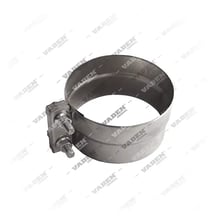
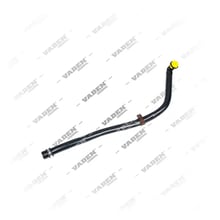
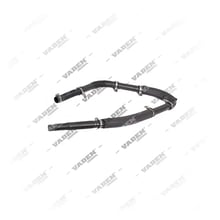
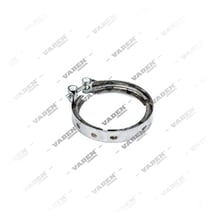
What Is a Truck Exhaust System System?
A truck exhaust system is the network of components that collects, treats and expels the engine's combustion gases while reducing noise and controlling emissions. On heavy commercial vehicles the line runs from the exhaust manifold through the turbocharger, catalytic converter, muffler, exhaust pipework and flex bellows before gases exit the vehicle. Because it directly affects engine performance, fuel economy and emissions compliance, it's one of the most safety- and cost-critical systems on any truck, tractor unit or trailer. VADEN ORIGINAL supplies heavy-duty exhaust components engineered for maximum efficiency and clean emissions across the commercial vehicle range.
How Does the Exhaust System Work?
After combustion, hot gases exit the engine through the exhaust manifold and pass through the turbocharger, catalytic converter and muffler in sequence, each stage cutting noise or harmful emissions. The turbocharger recovers energy from the exhaust flow to force more air into the engine, boosting power while helping to optimize fuel consumption; the catalytic converter chemically treats pollutants; the muffler smooths out the gas pulses to quiet the engine down. The treated gases are finally released to atmosphere through the tailpipe. The exhaust flex bellows (the flexible coupling between engine and exhaust line) absorbs vibration and thermal expansion, protecting the rigid pipework from cracking or fatigue failure.
Core Components and Subcategories
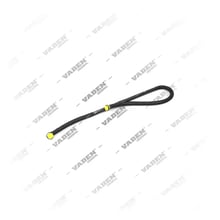
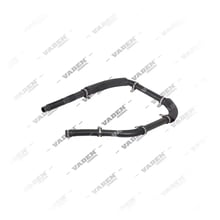
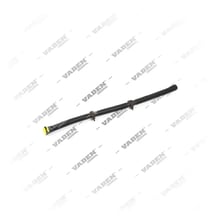
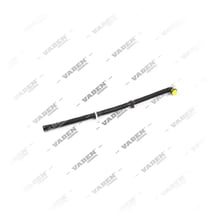
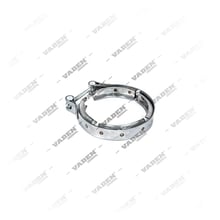
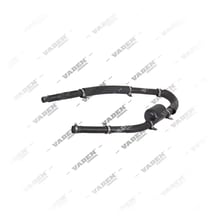
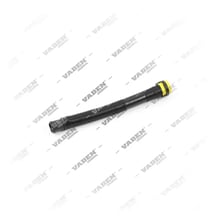
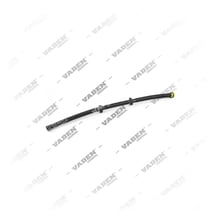
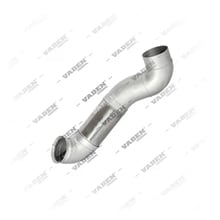
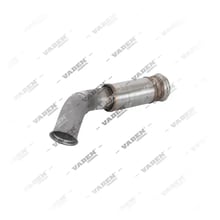
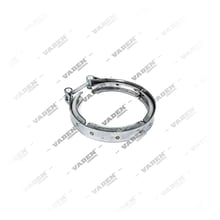
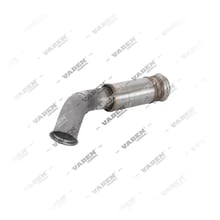
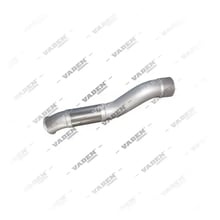
- Exhaust Pipe: The heat- and corrosion-resistant main duct that carries treated combustion gases through the system and safely out of the vehicle. The VADEN ORIGINAL exhaust pipe range covers a wide variety of sizes and shapes for heavy commercial vehicles.
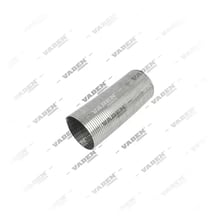
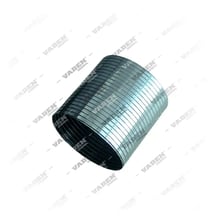
- Flex Bellows (Flexible Exhaust Coupling): A braided flexible metal coupling that absorbs vibration and thermal expansion between the engine and exhaust line, preventing pipe joints from cracking. Choosing the right flex bellows is critical for a leak-tight, long-lasting exhaust system.
- Exhaust Manifold: The first component in the line, collecting hot combustion gases straight from the engine and channeling them into the rest of the system; it must withstand extreme heat and repeated thermal shock.
- Exhaust Brake: Restricts exhaust flow to generate engine braking on heavy commercial vehicles, reducing the load on service brakes on long descents and improving overall driving safety.
- Catalytic Converter: Converts harmful exhaust gases through chemical reactions, lowering emissions and helping the vehicle meet Euro 5/Euro 6 and similar standards.
- Turbocharger: Uses exhaust gas energy to force additional air into the engine, increasing power output while optimizing fuel consumption and emissions.
- Muffler / Silencer: Regulates the exhaust gas outflow to reduce engine noise and improve driving comfort.
- Oil Separator Filter: Separates oil vapor from crankcase ventilation gases, keeping the engine cleaner and helping to reduce emissions.
Exhaust System Technical Summary
| Specification | Description |
|---|
| Scope | Exhaust pipe, flex bellows, manifold, exhaust brake, catalytic converter, turbocharger, muffler and connecting hardware |
| Vehicle Type | Heavy commercial vehicles: trucks, tractor units, trailers and buses |
| Compatibility | Common heavy-vehicle brands and models including Mercedes-Benz, MAN, Scania, Volvo, DAF, Iveco, Renault, BMC and Ford |
| System / Standard | Compliant with Euro 5 and Euro 6 emissions norms; manufactured to international quality standards |
| Material | Heat- and corrosion-resistant stainless/alloy steel and braided metal flex construction |
| OE-Equivalent Approach | Manufactured to match original equipment dimensions, connections and performance for true OE-equivalent (aftermarket) fitment |
| Maintenance | Regular checks for leaks, cracking and corrosion; timely replacement of damaged pipes, bellows and gaskets |
Types of Exhaust System Systems
- Standard (OE-Equivalent) Exhaust Systems: Match the vehicle's original dimensions and emissions performance, built for everyday heavy-haul operation.
- Euro 5 / Euro 6 Compliant Systems: Equipped with catalytic converters and emissions-control components that meet strict environmental standards.
- Systems with Exhaust Brake: Safety-focused configurations that provide engine braking on descents and under heavy loads.
- Flexible-Coupled (Bellows) Systems: Use flex bellows to extend pipe life in applications with high vibration and thermal expansion.
- Straight and Formed Pipe Types: Pipe variants offered in different diameters, lengths and bend angles to match chassis layout and engine position.
How to Choose the Right Exhaust System Part
- Verify the OEM / OE Number: The most reliable method is matching the old part or vehicle catalog against its original equipment (OE) reference; VADEN ORIGINAL parts are listed with OE-equivalent cross-references.
- Identify Make, Model and Production Year: Select the correct exhaust pipe or flex bellows based on the vehicle brand and model — Mercedes-Benz, MAN, Scania, Volvo, DAF, Iveco, Renault, BMC or Ford.
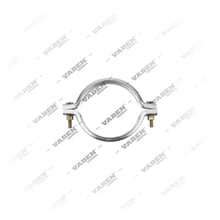
- Check Dimensions and Connection Type: Pipe diameter, length, flange/connection type and bend angle must match the vehicle; for flex bellows, inner/outer diameter and length are critical.
- Match the Emissions Standard: Choose the correct catalytic converter and related components version for the vehicle's Euro 5 or Euro 6 rating.
- Evaluate Material Quality: Heat- and corrosion-resistant stainless or alloy steel components deliver significantly longer service life in heavy-duty use.
Maintenance and What to Watch For
- Muffler and Pipe Inspection: Check exhaust pipes and mufflers regularly for cracks, corrosion or leaks.
- Flex Bellows and Gasket Checks: Catch fatigue, broken braiding or seal loss in flex bellows and gaskets early and replace them before they fail.
- Turbocharger Care: Clean turbocharger components regularly, monitor lubrication and replace when needed.
- Catalytic Converter and Filter Checks: Monitor catalytic converter and filter performance periodically to keep emissions within standard.
- Exhaust Brake and Manifold Inspection: Regularly inspect the exhaust brake mechanism and manifold connections for cracks and gas leaks.
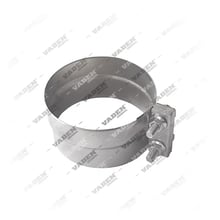
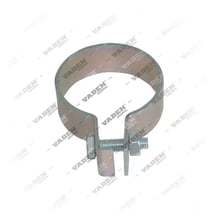
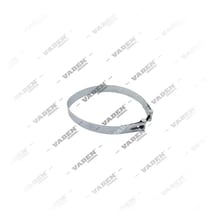
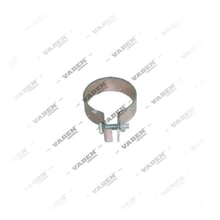
- Fasteners and Clamps: Check flange bolts, clamps and hangers for looseness and corrosion to prevent vibration damage to the system.
Common Faults and How to Fix Them
- Excessive exhaust noise: Cause: cracked or broken exhaust pipe, muffler or flex bellows. Fix: identify the damaged part and replace it with an OE-equivalent pipe, bellows or muffler.
- Exhaust gas leak: Cause: cracking or seal loss at the manifold, pipe joint or gasket surface. Fix: renew gaskets and flanges, replace damaged pipe or bellows, and torque connections correctly.
- Rising fuel consumption: Cause: blockage or leakage in the exhaust flow reducing combustion efficiency. Fix: inspect the catalytic converter, turbocharger and pipework and clear the blockage or leak.
- Bad smell from the exhaust: Cause: performance loss in the catalytic converter or filters. Fix: test the affected components and renew with the correct OE-equivalent part if faulty.
- Vibration and loose connections: Cause: fatigued flex bellows or loosened hangers and clamps. Fix: renew the flex bellows and check/tighten hangers and clamps.
- Check engine light / emissions fault: Cause: emissions sensors detecting abnormal exhaust flow. Fix: run a diagnostic scan, clear any leak or blockage, and replace the faulty component.
Why Choose VADEN ORIGINAL?
- High Durability: Heat- and corrosion-resistant exhaust components engineered specifically for trucks, tractor units and trailers under heavy load.
- Superior Quality: Manufactured to international standards with strict quality control for reliable performance.
- Low Emissions: Environmentally responsible exhaust solutions compliant with Euro 5 and Euro 6 standards.
- OE-Equivalent Fit: Produced to original equipment dimensions and connection specs for easy, accurate matching.
- Wide Product Range: Exhaust pipes, flex bellows and complementary components for Mercedes-Benz, MAN, Scania, Volvo, DAF, Iveco, Renault, BMC, Ford and more.
Frequently Asked Questions (FAQ)
What does a truck's exhaust system do?
It collects the engine's combustion gases, treats them and reduces noise before releasing them safely to atmosphere. It also lowers emissions and helps preserve engine performance and fuel efficiency. On heavy commercial vehicles, a leak-tight, well-maintained exhaust system is essential for safety and emissions compliance.
What does an exhaust flex bellows do?
A flex bellows is a braided metal flexible coupling that absorbs vibration and thermal expansion between the engine and exhaust line. It prevents cracking and fatigue failure at pipe joints, extending the system's service life. A fatigued or torn bellows causes leaks and noise and should be replaced promptly.
What are the signs of exhaust system failure?
Common symptoms include noticeably louder engine noise, exhaust gas leaks, rising fuel consumption, bad odor from the exhaust, and an illuminated emissions warning light. These are usually caused by the pipe, flex bellows, manifold gasket or catalytic converter and call for prompt attention.
When should an exhaust pipe be replaced?
Replace the exhaust pipe when you find cracking, holes, advanced corrosion or leaks. Road and load conditions accelerate pipe fatigue on heavy commercial vehicles, so regular inspection is recommended. A damaged pipe causes both noise and emissions problems.
How do I choose the right exhaust part?
The most reliable approach is matching the part against its original equipment (OE) number. You should also consider vehicle make, model, production year, pipe diameter, connection type and Euro emissions standard. VADEN ORIGINAL parts are listed with OE-equivalent references to make matching straightforward.
Which vehicles are VADEN ORIGINAL exhaust parts compatible with?
VADEN ORIGINAL exhaust components are manufactured to OE-equivalent specifications for common heavy-vehicle brands and models, including Mercedes-Benz, MAN, Scania, Volvo, DAF, Iveco, Renault, BMC and Ford. For an exact match, cross-check the OE number against your vehicle details.
Is the exhaust system Euro 6 compliant?
Exhaust system components, together with the catalytic converter and emissions-control hardware, can be designed to meet both Euro 5 and Euro 6 emissions norms. Choosing the version that matches your vehicle's emissions standard matters for both legal compliance and engine performance.
What does an exhaust brake do?
An exhaust brake restricts exhaust flow to generate engine braking, easing the load on service brakes especially on long descents. This slows brake pad wear and improves driving safety on heavy commercial vehicles, making it a critical component to inspect regularly.
Conclusion
The exhaust system keeps a truck's engine running efficiently, emissions in check and drivers safe on the road, and quality components paired with regular maintenance cut fuel costs and downtime. From exhaust pipes and flex bellows to manifolds and catalytic converters, VADEN ORIGINAL is the reliable, long-lasting, OE-equivalent choice for heavy commercial vehicles.
Related technical guide: Exhaust Manifold: Cracks, Leaks, Replacement & Torque Guide
Related technical guide: DPF (Diesel Particulate Filter) Guide: Symptoms & Cleaning