What Is a Clutch System?
A clutch is the mechanical system that engages and disengages the connection between the engine and the transmission, allowing power transfer and smooth gear changes. When the driver presses the clutch pedal, the link between engine and gearbox is temporarily broken, so the engine keeps running while the vehicle is stationary and gears can be shifted without grinding or shock. In heavy commercial vehicles, the clutch has to transmit the high torque produced by the engine through the flywheel, which demands exceptional durability, heat resistance, and precise engagement. VADEN ORIGINAL clutch systems are built for heavy-load commercial vehicles with performance, durability, and reliability as the design priorities.
How Does a Clutch Work? Core Functions
- Power transfer: Delivers engine output through the flywheel and pressure plate to the transmission so the vehicle can move.
- Smooth gear changes: Pressing the pedal disconnects engine and gearbox, letting gears shift without grinding or jerking.
- Engagement and disengagement: The pressure plate clamps the friction disc against the flywheel to engage drive, and releases it when the pedal is pressed.
- Vibration and shock damping: Provides a gradual, cushioned connection between engine and gearbox, improving ride comfort on pull-away.
- Drivetrain protection: Allows a degree of controlled slip under sudden torque spikes, protecting the transmission and driveline from damage.
Main Components and Sub-Categories
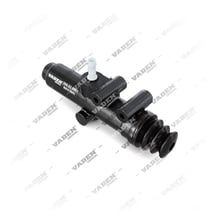
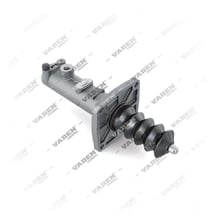
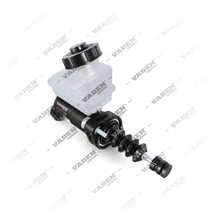
- Master Cylinder: Converts pedal movement into hydraulic pressure; sets pedal feel and the precision of clutch actuation.
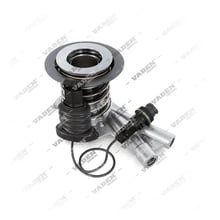
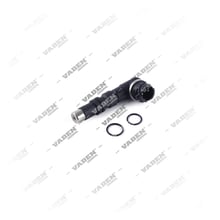
- Slave Cylinder: Receives hydraulic pressure from the master cylinder and transmits it to the release fork or bearing to disengage the clutch.
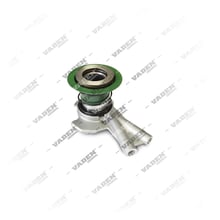
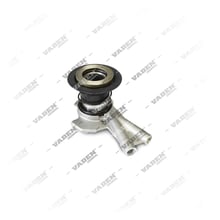
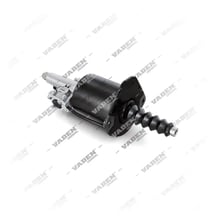
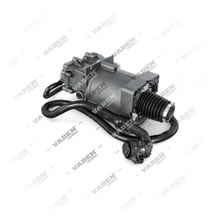
- Clutch Actuator / Slave Cylinder Assembly: Converts hydraulic pressure into the mechanical motion that opens and closes the pressure plate.
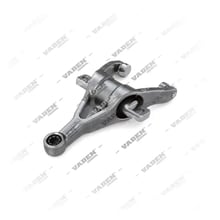
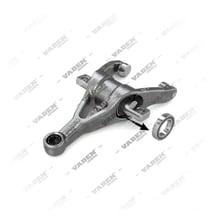
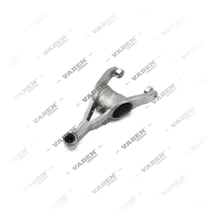
- Clutch Fork: The lever that pushes the release bearing against the pressure plate fingers, physically carrying out engagement and release.
- Release Bearing: Reduces friction at the contact point between the pressure plate and the fork for quiet, long-lasting engagement and disengagement.
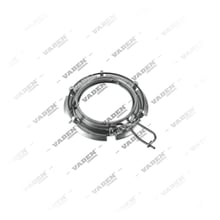
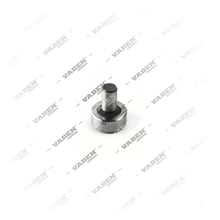
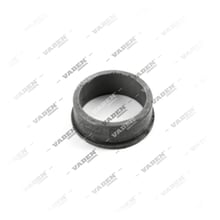
- Carbon Release Ring: A wear-resistant friction element inside the release/bearing assembly that takes the contact load.
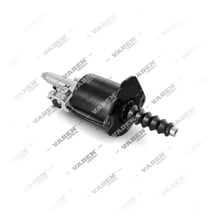
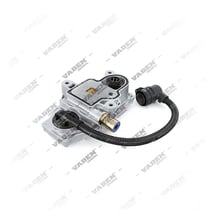
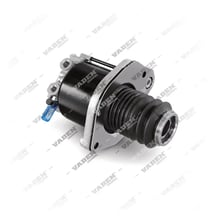
- Pressure Booster / Servo Assist Unit: Amplifies pedal force so heavy-duty clutches can be disengaged with less driver effort.
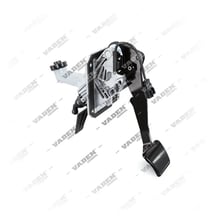
- Hydraulic Clutch Pedal Assembly: The complete unit — pedal, master cylinder, and linkages — that converts driver input into hydraulic pressure.
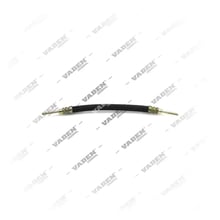
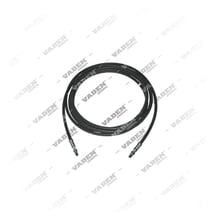
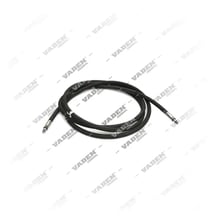
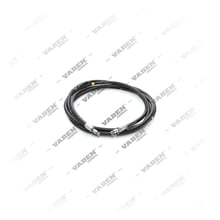
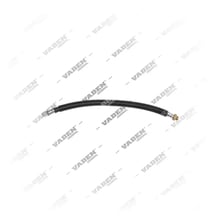
- Hose: Pressure-rated line carrying hydraulic fluid between the master and slave cylinders.
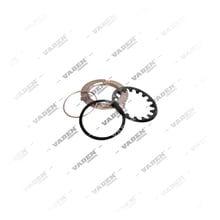
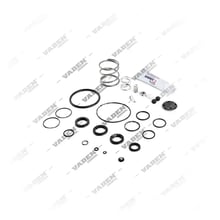
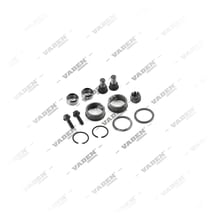
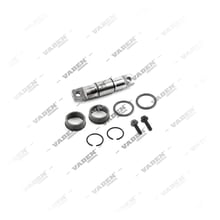
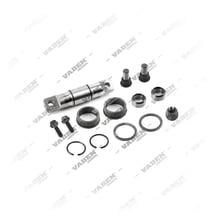
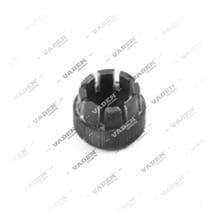
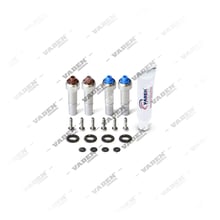
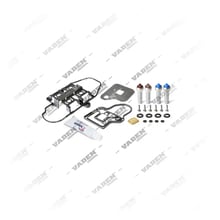
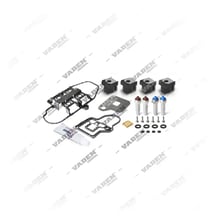
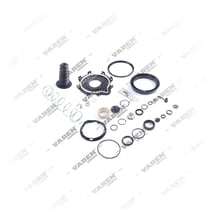
- Fitting / Mounting Kit: Gaskets, bolts, clips, and connecting hardware needed for a proper clutch replacement job.
Clutch System Technical Overview
| Attribute | Details |
|---|
| Scope | Friction discs, pressure plates, release bearings, master/slave cylinders, actuator assemblies, forks, hydraulic pedal units, and fitting kits |
| Vehicle types | Trucks, tractor units, trailers, buses, and other heavy commercial vehicles |
| Compatibility | Wide make/model coverage including Mercedes-Benz, MAN, Scania, Volvo, DAF, Iveco, Renault, BMC, and Ford |
| System / standard | Dry and wet (oil-bath) types; single- and twin-disc designs; hydraulically actuated clutch systems |
| OE-matching approach | Manufactured to OE dimensions and mounting points for direct fitment; ISO-based quality control |
| Maintenance | Friction disc wear checks, hydraulic fluid level/leak monitoring, release bearing and pressure plate condition, flywheel balance |
Types of Clutches
- Dry clutch: The most common design; delivers strong friction engagement with lower maintenance requirements.
- Wet (oil-bath) clutch: Runs in an oil bath to reduce friction and wear; favored in high-torque applications.
- Single-disc clutch: Suited to standard load duty on heavy commercial vehicles, offering lower cost and simpler maintenance.
- Twin-disc clutch: Handles higher torque capacity; used on trucks and trailer combinations carrying heavier loads.
- Hydraulically actuated clutch: Transfers pedal movement to the pressure plate via hydraulic pressure for more precise, comfortable operation.
How to Choose the Right Clutch Part: A Compatibility Guide
- OEM / OE number: Start from the vehicle's original equipment (OE) part number and match it against the VADEN ORIGINAL cross-reference to confirm the right part.
- Make and model: Confirm the make, model, and production year — Mercedes-Benz, MAN, Scania, Volvo, DAF, Iveco, Renault, BMC, or Ford.
- Disc diameter and spline count: Friction disc diameter, hub spline count, and pressure plate type (single/twin-disc) must match the transmission input.
- Actuation type: Check dry/wet operation and hydraulic vs. mechanical actuation to make sure the part fits your system.
- Torque rating: Choose a clutch torque class that matches the engine output and duty cycle of the vehicle.
- Kit compatibility: Replace the friction disc, pressure plate, and release bearing together as a matched set with a fitting kit for the longest service life.
Clutch Maintenance and Key Considerations
- Friction disc wear checks: The most critical wear item — a worn disc directly reduces engagement force and driving safety, so replace it promptly.
- Hydraulic system care: Regularly check master/slave cylinders and hoses for leaks or pressure loss, and keep fluid at the correct level.
- Release bearing and pressure plate condition: Watch for wear, noise, or deterioration in the release bearing and pressure plate.
- Flywheel balance: A balanced, true flywheel surface keeps the clutch running smoothly and extends its service life.
- Correct pedal technique: Riding the clutch (resting a foot on the pedal) shortens disc life; driver habits matter as much as parts quality.
- Professional servicing: Have clutch replacement and adjustment done at a competent workshop to guarantee safe, reliable operation.
Common Clutch Faults and How to Fix Them
- Clutch slipping (vehicle losing power): Cause: worn friction disc or weakened pressure plate springs. Fix: replace the disc and pressure plate as a matched set.
- Clutch won't engage or release: Cause: air in the hydraulic line, a leak, or a faulty master/slave cylinder. Fix: bleed the hydraulic system and replace the leaking cylinder or hose.
- Noise or squeal from the pedal: Cause: worn release bearing or fork. Fix: replace the bearing and fork if needed, and grease contact points.
- Judder or shudder on pull-away: Cause: contaminated disc, unbalanced flywheel, or misaligned installation. Fix: replace the disc and inspect/resurface the flywheel as required.
- Heavy or stiff pedal: Cause: faulty pressure booster or a blocked hydraulic line. Fix: inspect and replace the booster unit and hydraulic line.
- Burning smell: Cause: overheating from excessive clutch riding or slippage. Fix: correct driving habits and replace the worn disc.
Why Choose VADEN ORIGINAL Clutch Systems?
- High durability: Components engineered specifically for heavy-load vehicles, with high torque capacity and long service life.
- Superior quality: Manufactured to international standards under strict quality control for reliable, consistent performance.
- OE-matching fitment: Built to original equipment dimensions and mounting points for straightforward installation and a proper fit every time.
- Efficient power transfer: Delivers engine power with minimal loss, supporting both performance and fuel efficiency.
- Wide product range: Complete coverage from friction discs to hydraulic pedal assemblies, fitting every major heavy commercial vehicle make and model.
Frequently Asked Questions (FAQ)
What does a clutch do in a truck?
The clutch engages and disengages the connection between the engine and transmission, enabling power transfer and smooth gear changes. In heavy commercial vehicles it is essential for transmitting high engine torque to the gearbox without shock.
How do I know my clutch needs replacing?
Loss of power under load (slipping), a burning smell, harsh or shuddering pull-away, noise from the pedal, and difficulty shifting gears all signal a worn clutch. Have the disc, pressure plate, and release bearing inspected when these symptoms appear.
How long does a truck clutch last?
Clutch life depends on driving habits, load profile, and maintenance. With correct use and regular servicing it lasts a long time, while riding the clutch or overloading the vehicle noticeably shortens its life.
Should I replace the clutch disc, pressure plate, and release bearing together?
Yes. Replacing the disc, pressure plate, and release bearing as a matched kit is the most reliable approach — the parts wear evenly, you avoid paying for labor twice, and the system operates as designed. Using a proper fitting kit also improves installation quality.
What's the difference between a dry clutch and a wet clutch?
A dry clutch is the most common type, offering strong friction engagement with lower maintenance costs. A wet clutch operates in an oil bath, reducing friction and wear, and is typically used in high-torque applications.
Why does a hydraulic clutch get air in the line, and how is it fixed?
Air usually enters the hydraulic circuit due to a fluid leak, a worn master or slave cylinder, or a damaged hose, causing a soft or sinking pedal. The fix is to replace the leaking component and bleed the hydraulic system.
Which vehicles do VADEN ORIGINAL clutch parts fit?
VADEN ORIGINAL clutch components cover a wide range of makes including Mercedes-Benz, MAN, Scania, Volvo, DAF, Iveco, Renault, BMC, and Ford. Confirm fitment using the vehicle's OE number, make, model, and disc dimensions.
How do I pick the correct clutch part for my vehicle?
The most reliable method is matching the vehicle's original equipment (OE) number against the VADEN ORIGINAL cross-reference. Also verify make, model, production year, disc diameter, spline count, and actuation type (single/twin-disc, hydraulic/mechanical).
Conclusion
In heavy commercial vehicles, the clutch is a critical system for power transfer and driving safety, and choosing the right part along with regular maintenance directly determines both performance and service life. With high torque capacity, OE-matching fitment, and a wide product range, VADEN ORIGINAL delivers the most reliable and durable clutch solutions for commercial vehicle operators.
Related articles: Clutch Master and Slave Cylinder Failure Symptoms
Related technical guide: Clutch Central Unit (Lower/Upper Servo): Faults & Replacement