What is a Retarder Pipe?
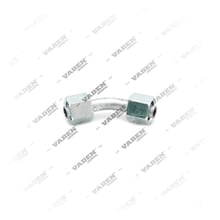
The retarder pipe is the hydraulic line that carries high-pressure, high-temperature transmission oil between the valve block, retarder housing, and oil cooler while the retarder system operates. When the retarder engages, oil circulates rapidly between the turbine blades, creating resistance that helps slow the vehicle; the heat generated is carried away by oil that passes through the cooler via the pipe. For this reason, the pipe must withstand both pressure and high temperature continuously.
What are the functions of the Retarder Pipe?
- Oil circulation: circulates oil between the valve block, housing, and cooler in the retarder circuit.
- Heat transfer: carries the heat generated during retarder operation to the cooler.
- Pressure transmission: carries the hydraulic pressure controlled by the retarder valve block throughout the system.
- Sealing: maintains connection integrity without oil leakage under high pressure.
- Vibration tolerance: provides durability at connection points against transmission and engine vibration.
What are the symptoms of a Retarder Pipe failure?
When a crack or loose connection develops in the pipe, the most obvious symptom is an oil leak under the transmission or around the retarder housing. As the leak worsens, retarder oil level drops, and the retarder's braking effect weakens or may fail to engage. On some vehicles, a retarder temperature sensor may detect overheating and trigger a fault code, illuminating a warning light on the dashboard. If the pipe is blocked, retarder cooling efficiency drops, and during prolonged use the overheat protection may engage, automatically disabling the retarder. If oil leakage contaminates the brake discs or tires, it can also create a skid risk.
How is the Retarder Pipe inspected?
Inspection starts with a visual check while the transmission is cold, looking along the pipe for cracks, swelling, or traces of oil leakage. Connection flanges and fittings should be checked for tightness, and any loose connections retightened. The retarder should be briefly engaged to monitor system pressure; if a pressure drop occurs, the pipe and connections should be checked for leaks. The pipe connections at the oil cooler inlet and outlet should be examined especially carefully, since these points are more prone to fatigue due to temperature differences.
What should be considered during replacement?
Before fitting a new pipe, make sure old gaskets and O-rings have been completely removed from the connection points. The pipe routing should not deviate from the path specified by the manufacturer, and sharp bends or contact with moving parts should be avoided. Fittings should be tightened to the torque value specified by the manufacturer; over-tightening can deform the pipe or fitting. After installation, the retarder circuit should be properly bled so no air remains in the system, and the oil level should then be checked.
How to choose the right Retarder Pipe?
Selection should be based on the retarder's OE reference number and the pipe's inner/outer diameter, with the connection port geometry matching the original part exactly.
Retarder Pipe selection criteria| Criterion | Description |
|---|
| Retarder OE number | The reference specified in the vehicle's current OE service manual is authoritative |
| Pipe diameter and length | Inner/outer diameter and overall length must match the original |
| Pressure resistance | Must suit the operating pressure of the retarder circuit |
| Temperature resistance | Must withstand the high temperatures generated during retarder operation |
| Connection geometry | Flange or fitting port must fully match the transmission and cooler |
Maintenance and service life
The retarder pipe is a part recommended to be checked together with transmission oil maintenance; connection points and the pipe surface should be examined during oil changes. Retarder oil and filter should be replaced at the recommended interval, since contaminated oil can accelerate wear inside the pipe. On vehicles operating on routes with frequent ascents and descents, the retarder is used more intensively, so the pipe should be checked more often.
VADEN Retarder Pipe
Vaden offers pipes matched to different retarder types in OE dimensions with broad OEM reference coverage. For correct pressure and temperature resistance, the part should be selected according to the retarder's OE number.
Frequently Asked Questions (FAQ)
Will the retarder still work if the pipe leaks?
As the leak worsens, oil level drops and the retarder's braking effect can weaken or the system may automatically disable itself; a leak should be addressed immediately once noticed.
What happens if the pipe becomes blocked?
Retarder cooling efficiency drops, and overheat protection may engage, automatically disabling the retarder.
Why is retarder oil leakage dangerous?
If oil contaminates the brake discs or tires it can create a skid risk; a leak should be resolved immediately.
Why do pipe connections require careful inspection?
Connections at the oil cooler inlet and outlet are more prone to fatigue due to temperature differences, so they should be examined carefully.
What happens if air remains in the system after installation?
Air left in the system disrupts pressure balance and negatively affects retarder performance, so the circuit should be properly bled after installation.