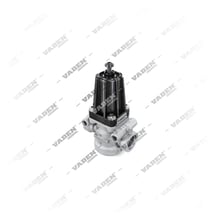
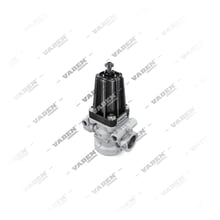
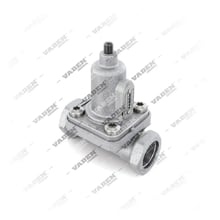
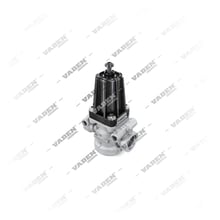
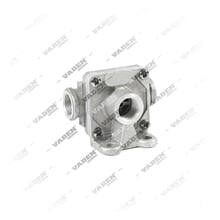
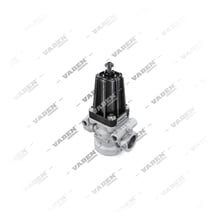
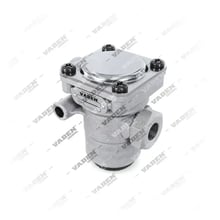
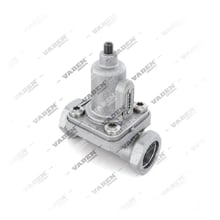
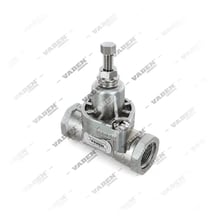
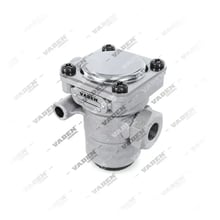
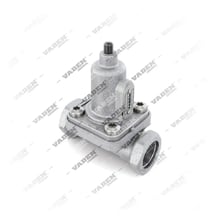
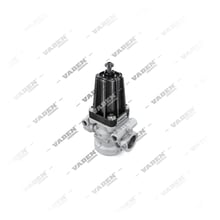
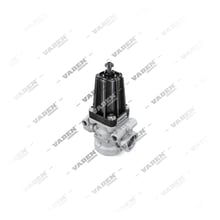
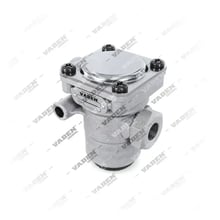
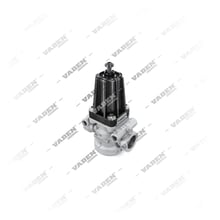
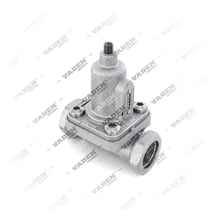
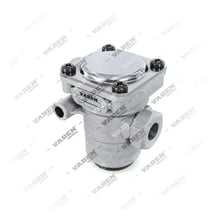
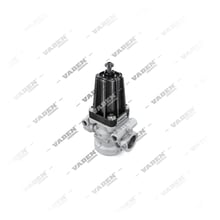
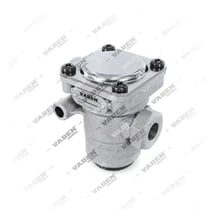
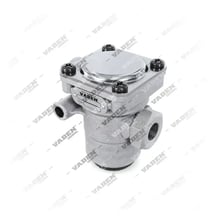
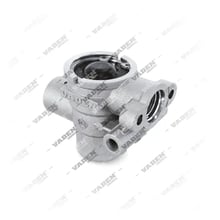
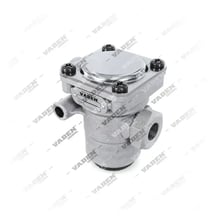
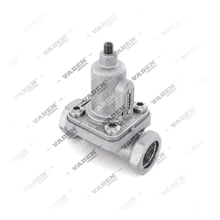
What is a brake system pressure limiting valve?
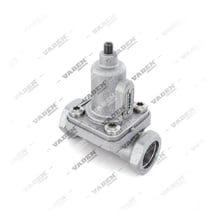
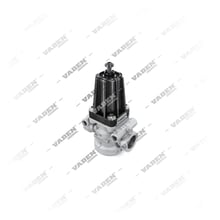
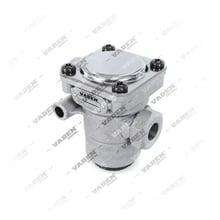
Inside the valve housing there is an adjustable or factory-set spring, a piston, and a sealing set. When the outlet pressure reaches the value the spring resists, the piston closes the passage and the pressure increase stops. As pressure is consumed, the piston opens again and feeds the line. This operating principle makes the valve not a safety element but a continuously operating regulation element. Within the same product family, pressure reducing, pressure limiting, and pressure protection valves can be confused with each other; the brake system pressure limiting valve specifically determines the upper pressure limit of the brake and auxiliary brake circuits.
What are the functions of the brake system pressure limiting valve?
The jobs undertaken by this valve in the air brake circuit cannot be gathered under a single heading. The most commonly encountered functions in field application are:
- Stabilizing upper pressure: Produces a stable value at the line outlet despite fluctuation caused by the compressor and pressure regulator.
- Preserving brake balance: Contributes to preventing early front wheel lock-up on empty or slippery ground by limiting the pressure going to front axle chambers.
- Extending component life: Chamber diaphragms, hoses, and fittings are not strained above design pressure, reducing fatigue crack risk.
- Supplying auxiliary circuits: Provides an appropriate level of air to low-pressure consumers such as cabin suspension, clutch servo, exhaust brake, and similar.
- Smoothing system response: Smooths out the pressure spike on sudden pedal input, preventing the brake feel from being harsh and abrupt.
What are the symptoms of a brake system pressure limiting valve failure?
This valve usually fails silently; the driver notices a change in brake character first. The most commonly encountered patterns in vehicles arriving at service are:
- Front brakes becoming harsh: When the valve stays open, limiting disappears, the front axle grips aggressively even with light pedal, and wheel lock-up and flat tire wear can be seen on an empty vehicle.
- Brake delay and weakness: If the valve clogs or closes early, outlet pressure drops, stopping distance lengthens, and the vehicle slides on a slope.
- Continuous air leak: A hiss heard from the housing or drain hole; indicates that sealing elements have hardened.
- Compressor engaging frequently: Due to the leak, tank pressure drops quickly, compressor duty time increases, oil carryover and dryer saturation accelerate.
- Pulling right/left: In circuits feeding the two sides of the same axle differently, imbalance arises, and the steering pulls to one side under braking.
- Manometer mismatch: While the gauge shows full pressure, the actual outlet value at the measurement point stays outside the expected range.
How is the brake system pressure limiting valve checked?
The check should be done with measurement, not estimation. Place the vehicle on level ground, chock it, fill the system to cutoff pressure, and set the parking brake appropriately. Then connect two separate calibrated manometers to the test points at the valve inlet and outlet. While the engine is running, monitor the inlet pressure, apply the pedal gradually and observe whether the outlet value stops increasing after a certain point. The limiting point is defined in the vehicle's OE service manual; although system operating pressure is typically in the 8-12 bar range, the limited outlet value varies noticeably by model, so the vehicle's current OE service manual is authoritative for the exact figure.
The second step is the sealing test. While the pedal is held applied, apply foam to connection points and the housing joint surface; bubble formation means internal or external leakage. Drain the pressure and refill, observing the valve's return behavior: if there is sticking, delay, or a stepped drop while outlet pressure decreases, there is corrosion or debris in the piston seat. Finally, evaluate connection hoses, fittings, and any air filter separately; a restriction in the line can make the valve appear to be at fault.
What should be watched for during replacement?
Before disassembly, make sure air tank pressure is fully drained; disassembling a pressurized valve carries serious injury risk. Label the inlet, outlet, and any control ports before disassembly, because a reverse-connected valve will not limit the line and will disrupt brake balance. Cap the ports to prevent dirt from entering the system.
- Surface cleanliness: Old gasket residue and rust on the mounting surface must be fully removed.
- Sealing: Thread tape or liquid sealant should be applied a turn back from the thread tip so it does not enter the line.
- Tightening torque: Use controlled torque for fitting and housing bolts; over-tightening cracks an aluminum housing. The vehicle's current OE service manual is authoritative for the value.
- New sealing element: Removed gaskets, O-rings, and washers must not be reused.
- Installation direction: The flow arrow or port markings on the housing must match the line's flow direction.
- Commissioning: After installation the system should be filled, outlet pressure remeasured, and the leak test repeated.
How is the brake system pressure limiting valve selected?
What is decisive in selection is not the vehicle brand but the valve's technical identity. Two valves that look the same may have different limiting pressures; therefore the correct method is to read the OE number on the removed part and match it via cross reference. Numbers from vehicle manufacturers such as Mercedes-Benz, MAN, Volvo, Scania, DAF, Iveco and original equipment manufacturers such as Wabco, Knorr-Bremse, Bendix can be used in this matching. Proceed by the principle of selecting by OE number, not brand, and not by rival aftermarket catalog numbers. Our product group includes options in different connection and pressure configurations under codes such as 301.07.0187, 301.07.0188, 301.07.0190, 301.07.0193, 301.07.0195.
Brake system pressure limiting valve selection and inspection points| Inspection point | What is checked | Note |
|---|
| OE number | Embossed or label number on the old valve housing | Primary matching criterion |
| Limiting pressure | The fixed outlet value the valve produces | Varies by model, OE service manual is authoritative |
| Operating pressure range | System supply pressure, typically 8-12 bar | Must be compatible with regulator cutoff value |
| Port thread and count | Inlet, outlet, and control port if any | Metric thread size must be exactly the same |
| Mounting type | Flanged, bracket-mounted, or in-line | Bolt hole spacing must be measured |
| Housing material | Aluminum or composite housing | Determines torque sensitivity |
| Sealing kit | Whether O-ring and gasket set are included | New must be used at installation |
| Application axle | Front axle, rear axle, or auxiliary circuit | Circuit function must not be confused |
Maintenance and service life
The life of the brake system pressure limiting valve depends more on the quality of the supplying air than on itself. If the air dryer cartridge is not changed on time, moisture-saturated air enters the valve; this creates freezing in winter and corrosion in summer. Oil overflowing from the compressor swells and hardens the elastomers in the piston seat. For this reason, the first step in valve maintenance is regular checking of the dryer cartridge, compressor, and air tank drainage. Tank water drain valves should be periodically opened, and dirt traps on lines should be checked.
In a healthy air system, the valve can operate trouble-free for many years; however, in use involving numerous brake cycles such as heavy construction, mining, garbage collection, and urban distribution, fatigue begins earlier. In periodic maintenance, measuring outlet pressure, performing a foam test around the housing, and checking connection hoses for cracks are sufficient. On adjustable-type valves, intervention on the adjustment screw should only be done with a calibrated manometer and with certainty about the OE value; blind adjustment disrupts brake balance. If one of the valves sharing the same circuit is being replaced, the other's pressure behavior should also be measured, not allowing an aged counterpart to unbalance the new part.
VADEN brake system pressure limiting valve
VADEN is a manufacturer producing for heavy commercial vehicle air brake systems and covers a wide application range in the brake system pressure limiting valve group. This category includes products in different port configurations and pressure characteristics for truck, tractor, bus, and trailer applications. To determine the correct part for your vehicle, use the OE number of the removed valve; you can find its counterpart among the product codes in the category list, and if in doubt, consult our technical team with the vehicle chassis information and OE number.
Frequently Asked Questions (FAQ)
What does the brake system pressure limiting valve do?
In the air brake circuit, it keeps the outlet pressure of a line at a fixed upper value, independent of the high supply pressure coming from the tank. This way, front axle chambers and auxiliary circuits are not strained above design pressure, brake balance is preserved, and the life of elements like hoses and diaphragms is extended.
If the pressure limiting valve fails, does the brake not hold at all?
The brake does not fail completely, but its character deteriorates. If the valve stays open, limiting disappears, the front axle grips early and hard, and wheel lock-up may be seen on an empty vehicle. If it clogs or closes early, outlet pressure drops and stopping distance lengthens. Both situations directly affect driving safety and should be checked without delay.
Can the pressure limiting valve's setting be changed?
Some types have an adjustment screw, but intervention should only be done with a calibrated manometer and knowing the value in the vehicle's current OE service manual. Blind adjustment disrupts axle brake balance and creates pulling or lock-up. On factory-set types, adjustment should not be attempted; the valve should be replaced.
How do I choose the correct pressure limiting valve?
Proceed not from the vehicle brand but from the OE number on the removed valve's housing. Limiting pressure, port thread and count, mounting type, and application axle must match exactly. Since two valves that look the same can produce different pressures, visual resemblance is not sufficient; select by OE number, not brand.
What shortens the life of the pressure limiting valve?
The biggest factor is air quality. Moisture entering the system due to an air dryer cartridge not changed on time causes corrosion and freezing; oil overflowing from the compressor swells and hardens internal sealing elements. Regular tank water drainage and dryer maintenance noticeably extend valve life.
Related technical guide: Pressure Limiting Valve: Faults, Replacement & Maintenance