What is an Engine Air Vent Pipe?
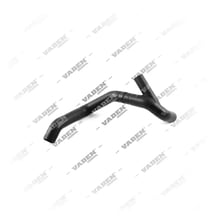
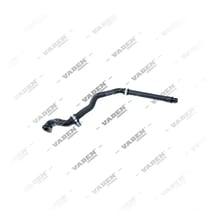
The engine air vent pipe is the line that directs combustion gases (blow-by) leaking past the piston rings into the crankcase, along with excess air, either outward or back into the intake system. In closed-loop crankcase ventilation systems, this pipe returns gases that have passed through the oil separator to the intake manifold; in open systems, it routes them directly to atmosphere or to a filter unit. The pipe is typically made of steel, aluminum, or high-temperature-resistant reinforced rubber and is secured to the engine block with dedicated flanges or clamps.
What are the functions of the Engine Air Vent Pipe?
- Pressure relief: safely vents or recirculates excess pressure that builds up in the crankcase.
- Gas routing: directs blow-by gases to the oil separator or filter unit so the system functions correctly.
- Sealed corridor: forms a leak-free connection between the engine block and ventilation components.
- Oil vapor transport: carries oil vapor within the gas stream to the unit where it will be separated.
- Vibration tolerance: absorbs engine vibration, delaying fatigue cracking at connection points.
What are the symptoms of an Engine Air Vent Pipe failure?
When the pipe develops a crack, a hole, or a loose connection, the most obvious sign is an oily soot trace around the engine along with a faint burnt smell where the leak occurs. Once crankcase pressure rises above normal, leakage at engine oil seals and gaskets can increase, and oil may be noticeable around the dipstick or filler cap. On vehicles equipped with a crankcase pressure sensor, a fault code may be triggered and a warning light may illuminate. If the pipe is fully blocked, idle can become unstable, power loss may occur, and light smoke may appear from the exhaust. A wet, oily, and dirty-looking outer surface on the pipe is also an early warning sign.
How is the Engine Air Vent Pipe inspected?
Inspection starts with a visual check while the engine is cold, looking along the pipe for cracks, swelling, hardening, or traces of oil leakage. Connection clamps and flanges should be checked for tightness, and any loose connections retightened. After running the engine briefly, the area around the pipe should be wiped clean and re-inspected, which makes a fresh leak easier to spot. Rubber sections should be flex-tested; any segment that has hardened, cracked, or lost elasticity should be replaced. Where possible, crankcase pressure should also be measured to confirm whether the pipe is obstructed.
What should be considered during replacement?
Before fitting the new pipe, make sure old gaskets and O-rings have been completely removed from the connection points; a forgotten old gasket will cause a leak. The pipe routing should not deviate from the path specified by the engine manufacturer, and sharp bends or contact with hot surfaces should be avoided. Clamps should be tightened to the torque value specified by the manufacturer; over-tightening can deform the pipe or flange. After installation, run the engine and let it idle for a few minutes to check for leaks, and confirm that crankcase pressure stays within the normal range.
How to choose the right Engine Air Vent Pipe?
Selection should be based on the engine's OE reference number and the pipe's inner/outer diameter, with the connection port geometry matching the original part exactly.
Engine Air Vent Pipe selection criteria| Criterion | Description |
|---|
| Engine OE number | The reference specified in the vehicle's current OE service manual is authoritative |
| Pipe diameter and length | Inner/outer diameter and overall length must match the original |
| Material type | Metal or high-temperature-resistant reinforced rubber |
| Connection geometry | Flange or clamp port must fully match the engine block |
| Temperature resistance | Must withstand engine operating temperature and oil vapor |
Maintenance and service life
The engine air vent pipe is a maintenance item requiring regular visual inspection; connection points and the pipe surface should be examined especially during oil changes. Oil separator or filter elements linked to the crankcase ventilation system should be cleaned or replaced at the recommended interval, otherwise the pressure load on the pipe increases. On vehicles that are heavily loaded or idle for long periods, the pipe should be checked more frequently, since oil vapor buildup wears the material over time.
VADEN Engine Air Vent Pipe
Vaden offers air vent pipes matched to different engine types in OE dimensions with broad OEM reference coverage. For correct sealing and crankcase pressure balance, the part should be selected according to the engine's OE number.
Frequently Asked Questions (FAQ)
What happens if the air vent pipe becomes blocked?
Crankcase pressure rises, leakage at oil seals increases, and idle can become unstable; if left unnoticed for a long time, engine performance is negatively affected.
Why does the old gasket on the pipe matter during replacement?
A forgotten old gasket prevents the new part from seating fully and causes a leak at the connection point; make sure old gaskets are completely removed.
When should the rubber sections be replaced?
Any rubber segment that has lost elasticity, hardened, or cracked should be replaced immediately, otherwise the risk of leakage increases.
Can the pipe routing be changed?
No, the routing specified by the engine manufacturer must be maintained; sharp bends and contact with hot surfaces cause premature wear of the pipe.
How is crankcase pressure checked?
Crankcase pressure can be measured with suitable equipment to confirm pipe blockage and overall system health; the pipe and connected components should be checked at abnormal readings.