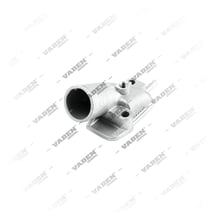
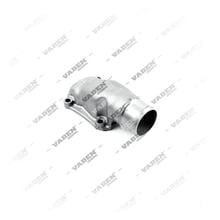
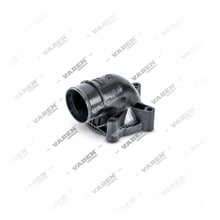
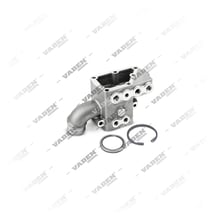
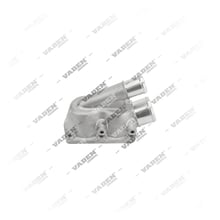
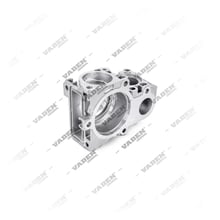
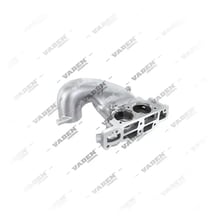
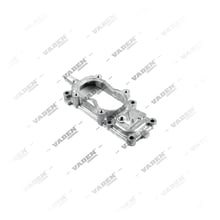
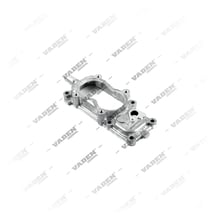
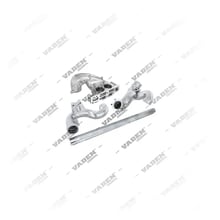
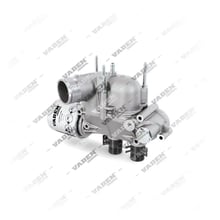
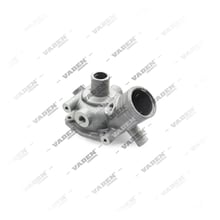
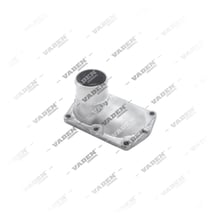
What are the functions of the Thermostat Housing?
The main functions of the thermostat housing within the cooling system are:
- Flow direction: Determines, via the thermostat valve, whether coolant is routed to the radiator or the bypass circuit depending on engine temperature.
- Housing the thermostat: Positions the thermostat element securely and provides a proper sealing surface.
- Connection point: Provides the physical link between the engine block, the upper radiator hose and, on some models, the heater line.
- Sensor carrier: Allows the coolant temperature sensor to relay temperature data to the engine management system from the correct position.
- Pressure integrity: Provides a leak-tight line integrity capable of withstanding the cooling system's operating pressure.
What are the symptoms of Thermostat Housing failure?
A problem with the thermostat housing usually shows the following symptoms: coolant leakage around the housing, especially at hose connection ports or the housing-to-engine block surface; a crack in the housing's cast structure (particularly after freezing or overheating); engine temperature running above normal or fluctuating excessively; coolant level dropping frequently and foaming in the expansion tank; and a warning light in the engine management system due to erroneous readings from the temperature sensor on the housing. If the housing cracks, coolant can be lost rapidly, which can cause the engine to overheat and suffer serious damage.
How is the Thermostat Housing inspected?
Inspection starts with a visual check of the housing area while the engine is cold, looking for leak traces, dried coolant residue or cracks. Once the engine is running and has reached normal operating temperature, the housing and hose connections are checked for leaks under pressure. A cooling system pressure tester is used to verify that the housing and gasket surfaces withstand the specified pressure. Correct opening and closing of the thermostat valve inside the housing is confirmed with a hot-water immersion test or by measuring temperature on the vehicle. Values from the temperature sensor on the housing are read with a diagnostic tool and compared against the data in the engine management system.
What should be considered when replacing it?
Before replacement, the engine must be cooled and the cooling system pressure released; opening the cap on a hot system carries a serious burn risk. When draining the coolant, it should be collected in a suitable container to avoid environmental harm. When removing the old housing, gasket surfaces should be cleaned and no old gasket residue left on the engine block surface. When fitting the new housing, ensure the thermostat element is installed in the correct orientation and fully seated; a reversed thermostat disrupts coolant flow. Bolts must be tightened to the manufacturer-specified torque in a crossing sequence. After installation, the system should be filled with the correct coolant, bled of air, and a short test drive performed together with a leak check.
How to choose the right Thermostat Housing?
Correct housing selection should be based on the engine model, the housing's outlet configuration (single/dual outlet) and sensor equipment; OE number matching is essential, since visually similar housings can have different hose port diameters or sensor mounting locations. The table below summarizes the key selection criteria.
Thermostat Housing selection criteria| Criterion | Description |
|---|
| OE number | Exact match with the reference number in the engine manufacturer's catalog |
| Material | Cast aluminum or heat-resistant composite structure |
| Outlet configuration | Single or dual hose outlet, presence of a heater line connection |
| Sensor mounting | Correct type and position of the coolant temperature sensor bore |
| Gasket compatibility | Gasket profile matching exactly with the engine block surface |
Maintenance and service life
The thermostat housing has a long service life in systems using the coolant recommended by the manufacturer and renewed periodically. Unsuitable or old coolant causes scale buildup and corrosion inside the housing, shortening the material's service life. At scheduled maintenance, the tightness of the hoses and clamps around the housing, and the coolant level and color, should be checked. In climates with freezing risk, correctly setting the antifreeze ratio is critical for preventing the housing from cracking.
VADEN Thermostat Housing
VADEN offers thermostat housings manufactured to OE tolerances for different engine families. The products are made with the correct outlet configuration and sensor compatibility, contributing to reliable, leak-tight operation of the cooling system.
Frequently Asked Questions (FAQ)
Can the vehicle still be driven if the thermostat housing cracks?
Since coolant will be lost rapidly, there is a risk of engine overheating; the vehicle should ideally be towed rather than driven long distance.
Should the thermostat also be replaced when replacing the housing?
It is not mandatory, but if the thermostat is old or faulty, replacing both at the same time saves time and effort.
Does coolant leakage always come from the housing?
No, it can also come from a hose clamp, the housing gasket or the radiator connection; a detailed inspection is needed to pinpoint the source.
Why is air bleeding important after replacing the housing?
Air pockets remaining in the system can cause inaccurate temperature readings and localized overheating, so bleeding must always be performed.
Are VADEN thermostat housings compatible with sensor-equipped models?
Yes, variants with and without a coolant temperature sensor bore are available; the OE number should be used to identify the correct equipment.
Related technical guide: Engine Coolant Thermostat: Faults, Replacement & Care