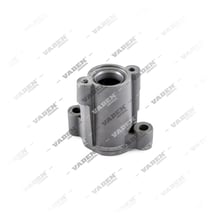
What is a Retarder Cylinder?
The Retarder Cylinder in the VADEN range is manufactured to original dimensions and pressure tolerances, ensuring the retarder system responds precisely and reliably.
What are the functions of the Retarder Cylinder?
This cylinder carries out critical functions so the retarder system correctly applies the request from the control.
- Motion conversion: Converts the hydraulic/pneumatic control signal into mechanical motion, positioning the retarder control valve.
- Brake intensity adjustment: The cylinder's position determines the stage of braking torque applied by the retarder.
- Fast response time: Engages without delay the moment the driver uses the retarder lever or pedal.
- Sealing: Its internal seals prevent hydraulic fluid from leaking out of the cylinder.
- Service brake support: By reducing the load on the service brakes via the retarder effect, it helps extend lining/drum life.
What are the symptoms of Retarder Cylinder failure?
Cylinder failures show up as either a weakened retarder effect or unexpected engagement.
- Weakened retarder effect: When the cylinder cannot move fully, braking torque stays lower than expected.
- Delayed retarder engagement: Loss of internal sealing causes hydraulic pressure to be transmitted with a delay.
- Oil leakage: Hydraulic fluid buildup appears at the cylinder body or gasket area.
- Fault code/warning light: On electronically controlled retarder systems, a cylinder position sensor fault triggers a dashboard warning.
- Unwanted retarder effect: If the cylinder sticks, the retarder may not fully release, creating a slight drag sensation.
How is the Retarder Cylinder inspected?
Inspection should combine both static observations and checks with the retarder engaged.
- Visual inspection: Check the cylinder body, rod, and gasket area for oil leakage, scoring, or corrosion.
- Movement test: With the control engaged, check whether the cylinder rod completes its full stroke.
- Pressure test: Compare the hydraulic/pneumatic supply pressure against manufacturer values.
- Fault code reading: On electronically controlled systems, use a diagnostic tool to check fault codes for the position sensor and cylinder circuit.
- Brake effect test: In a safe, suitable area, engage the retarder to confirm braking torque is at the expected level.
What should be considered during replacement?
Since replacing the Retarder Cylinder affects the vehicle's auxiliary brake safety, it should be done with care.
- Correct reference: Select the original-size cylinder matching the transmission/retarder model.
- Hydraulic circuit cleanliness: Clear connection lines of dirt and air bubbles before installation.
- Gasket renewal: Cylinder gaskets and o-rings must always be replaced with new ones.
- Torque values: Tighten connection fasteners to manufacturer torque; the vehicle's current OE service manual governs the exact value.
- Bleeding: Bleed air from the circuit after installation to keep the hydraulic system free of air.
- Function test: After replacement, test the retarder in a safe environment to confirm correct and timely response.
How to choose the right Retarder Cylinder?
Selection should consider the retarder system type, control method, and pressure values together.
Retarder Cylinder selection criteria| Criterion | Description |
|---|
| Transmission/retarder model | Must fully match the vehicle's retarder system |
| Control type | Correct connection for hydraulic or pneumatic control |
| Stroke/dimensions | Original travel distance and mounting dimensions preserved |
| Pressure rating | Must meet the system's operating pressure range |
| Gasket/o-ring set | Preferably supplied together at original quality |
Maintenance and service life
The Retarder Cylinder can achieve a long service life depending on hydraulic system cleanliness and correct pressure values. Periodic hydraulic fluid changes and filter maintenance delay internal wear in the cylinder. On vehicles with frequent, prolonged retarder use (mountainous/downhill routes), the cylinder should be inspected more often. With proper maintenance and timely gasket replacement, the retarder cylinder can also reduce overall brake costs by easing the load on the service brake system.
VADEN Retarder Cylinder
VADEN manufactures the cylinder for heavy commercial vehicle retarder systems to original dimensions and pressure values. Its precise, fast response supports the reliable operation of the auxiliary brake system. For fleets running long-haul and mountainous route operations, correct cylinder selection is a valuable investment that reduces service brake costs.
Frequently Asked Questions (FAQ)
What does a Retarder Cylinder do?
It converts the signal from the retarder control into mechanical motion, allowing the retarder system to generate braking torque.
What happens when a Retarder Cylinder fails?
The retarder effect weakens, engages late, or oil leakage and a dashboard fault warning may appear.
How is a Retarder Cylinder tested?
It is confirmed through visual inspection, movement and pressure tests, and by checking the retarder's braking effect in a safe area.
Why is bleeding important when replacing the cylinder?
Air remaining in the hydraulic circuit can cause the retarder to respond with delay or unevenly, so it must be removed after installation.
What should be considered when choosing a Retarder Cylinder?
Select the reference matching the transmission/retarder model, control type (hydraulic/pneumatic), and original stroke dimension.