What are the functions of the oil pump repair kit?
The parts in the repair kit restore the pump's pressure-generating capacity and sealing.
- Sealing: Renews the gasket between the pump body and cover, preventing internal and external oil leaks.
- Pressure stability: Renews the spring and ball elements in the relief valve, maintaining correct oil pressure.
- Efficiency preservation: Gaskets that prevent the clearance between the gear/rotor and body from growing help maintain pump flow rate.
- Contamination barrier: Suction line gaskets prevent air ingress that would cause the pump to cavitate.
What are the symptoms of a faulty oil pump?
Wear in the oil pump directly threatens the engine lubrication system.
- Low oil pressure warning: The oil pressure warning light illuminating on the dashboard or a drop on the pressure gauge.
- Pressure drop at idle: A noticeable drop in oil pressure at idle is an indicator of a worn pump.
- Metallic noise: Abnormal noise from the timing gears or crankshaft bearings due to insufficient lubrication.
- Oil leakage: Oil staining or dripping visible around the pump body.
- Engine overheating: Insufficient oil circulation increases friction and contributes to rising engine temperature.
How is the oil pump inspected?
Inspection is performed both with a pressure measurement before removal and on the removed pump.
- Oil pressure test: Measure oil pressure values at idle and high rpm with a pressure gauge.
- Body-to-rotor clearance: On the removed pump, measure the clearance between the gear/rotor and body with a feeler gauge.
- Relief valve check: Inspect the valve spring's free length and the seating surface of the ball.
- Visual inspection: Check the body and cover for cracks, wear marks or metal shavings.
- Pickup screen check: Inspect the oil pickup screen for clogging or damage.
What should be considered when replacing it?
Oil pump repair directly affects overall engine health and must be carried out with care.
- Cleanliness: The sump and oil galleries must be completely free of metal shavings.
- Correct gasket thickness: Original gasket thickness must be followed; a thickness difference can disturb the pressure value.
- Oil filter replacement: The oil filter should be renewed together with the pump repair.
- Pre-priming: The pump should be pre-filled with clean engine oil before installation to prevent dry running.
- Torque value: Cover bolts must be tightened to the value specified in the vehicle's current OE service manual.
- Drive element check: Also verify that the gear or chain connection driving the pump is not worn.
How to choose the right oil pump repair kit?
Choosing the correct kit requires clearly identifying the engine model and pump type. The table below summarizes the main criteria.
Oil pump repair kit selection criteria| Criterion | Description |
|---|
| Engine model | Match against the original oil pump code |
| Pump type | Compatibility with gear-type or rotor (gerotor) pump |
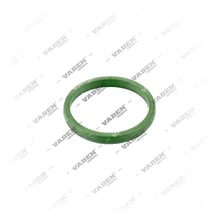
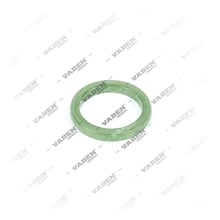
| Kit contents | Body gasket, o-ring, relief valve components |
| Material | Gasket material resistant to oil and heat |
| Relief valve pressure | Spring stiffness matching the original setting |
Maintenance and service life
The service life of the oil pump directly depends on the quality of the engine oil used and the change interval. Regular oil and filter changes prevent metal shaving buildup in the sump, protecting the pump gears from premature wear. On vehicles exposed to high dust levels, regular air filter maintenance also reduces internal engine contamination and supports pump longevity. A properly functioning engine cooling system indirectly protects the oil pump as well; in an overheating engine, oil fluidity deteriorates and the load on the pump can increase. Prolonged idling or frequent cold starts can also accelerate pump wear, so following the manufacturer-recommended warm-up procedures is advisable.
VADEN oil pump repair kit
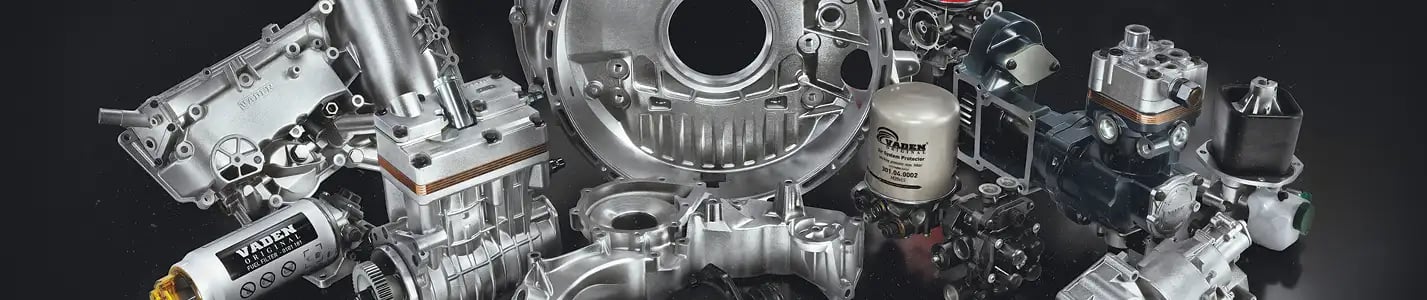
VADEN offers repair kits consisting of original-dimension gaskets, o-rings and relief valve components for the oil pumps used in heavy commercial vehicle diesel engines, providing a faster and more economical repair option compared to replacing the complete pump. The gasket material in the kit is produced from special compounds resistant to the high temperature and chemical exposure of engine oil, while the relief valve springs are manufactured to a stiffness matching the original pressure setting. For long-haul fleet vehicles, keeping this repair kit in stock alongside scheduled oil changes can be part of a preventive maintenance strategy that reduces the risk of engine failure. VADEN ensures quality through dimensional verification and pressure testing on every production batch.
Frequently Asked Questions (FAQ)
When is an oil pump repair kit sufficient?
If there is no crack in the pump body or excessive gear/rotor wear, low pressure and leakage complaints can usually be resolved by replacing the gaskets and o-rings. Complete pump replacement is required if the body or gears are damaged.
Can the oil pump repair kit be replaced without removing the engine?
Access is usually gained by removing the sump; on some engines the procedure can be done from underneath without separating the engine from the block. The exact procedure varies by engine model.
Is low oil pressure always caused by the pump?
No, worn engine bearings, a clogged screen or the wrong oil viscosity can also cause low pressure. Diagnosis should combine a pressure test with visual inspection.
Why is the relief valve in the repair kit important?
The relief valve protects the oil pressure from exceeding the set limit, preventing damage to the oil filter and galleries. A weakened spring causes unstable pressure.
What should be done before starting the engine after repair?
The pump should be pre-filled with clean engine oil, the oil level checked, and on first start the engine should idle for a few minutes to confirm stable oil pressure.