What are the functions of an engine oil pump?
The engine oil pump's functions center on delivering uninterrupted lubrication across every operating regime of the engine.
- Pressure generation: Draws oil from the sump and supplies it to the main gallery at a pressure that varies with engine speed and oil temperature.
- Flow delivery: Meets the oil volume required by every bearing and sliding surface from idle to rated speed.
- Pre-filter supply: Is the source of flow feeding the oil filter and, from there, the main gallery; it works together with the bypass valve when the filter clogs.
- Turbo lubrication: Maintains continuous oil flow to the high-speed turbocharger bearings, preventing overheating.
- Piston cooling: On some engines, delivers oil pressure to under-piston cooling jets to regulate piston temperature.
- Cold-start protection: Builds adequate pressure quickly even when cold-start viscosity is elevated, keeping bearings properly lubricated from the first turn.
What are the symptoms of engine oil pump failure?
Wear or failure of the engine oil pump usually shows up first as a dashboard warning, but several symptoms can be caught earlier.
- Low oil pressure warning: An oil pressure lamp flickering at idle or when the engine is hot is the earliest sign of declining pump performance.
- Engine noise: Insufficient lubrication produces metallic knocking from hydraulic lifters or from rod and main bearings.
- Turbo lag and noise: Inadequate lubrication of the turbocharger bearing shows up as a whining sound or sluggish boost response.
- Fluctuating oil pressure: Sudden drops and recoveries on the pressure gauge during speed changes.
- Overheating: Increased bearing friction can also push up coolant temperature.
- Fault code: On engines with an electronic oil pressure sensor, a low oil pressure code may appear on the dash or in diagnostic software.
How is an engine oil pump checked?
Checking uses both static and dynamic methods and is an integral part of the diagnostic process.
- Pressure measurement: Oil pressure is measured with a mechanical gauge at idle and at rated speed and compared against the vehicle's service manual reference values.
- Visual inspection: The pump housing is checked for cracks, wear marks, and out-of-tolerance gear backlash.
- Pickup tube and screen: A blockage or air leak in the suction line can give a false low-pressure reading, so the line is checked first.
- Bypass/relief valve: Checked for sticking and for a deformed spring.
- Oil quality and level: Wrong viscosity or a low oil level can mimic pump failure and must be ruled out first.
- Gear clearance measurement: On a removed pump, gear-to-housing clearance is measured with a feeler gauge and compared against manufacturer tolerance.
What should be considered when replacing it?
Replacing the engine oil pump requires access to the lower engine block, so careful workmanship is essential.
- Cleanliness: The area around the sump and pickup tube must be cleaned before removal so no debris enters the engine.
- Drive element inspection: The condition of the chain, gear, or belt driving the pump should be assessed at the same time.
- Gaskets and O-rings: Gaskets between the pump housing and the block must always be renewed; the old gasket should never be reused.
- Tightening torque: Bolts must be tightened to the manufacturer's specified torque and sequence; overtightening can crack the housing.
- First start-up: After installation, confirm with a gauge that oil pressure builds quickly on the first start.
- Sump refill: After installing the new pump, refill with the correct quantity and viscosity of oil and confirm the level on the dipstick.
How to choose the right engine oil pump?
Choosing the correct part directly affects the engine's protection margin; selection should be based on OE number, not brand.
Engine Oil Pump selection criteria| Criterion | Description |
|---|
| OE number | An exact match to the original part number for the engine code is required. |
| Flow capacity | Pump flow must match the engine displacement and lubrication circuit. |
| Drive type | Chain-driven, gear-driven, and direct-driven variants are not interchangeable. |
| Material and machining | Gear tolerances and housing hardness are the main factors determining service life. |
| Bypass valve setting | A relief pressure matching the factory setting protects the engine from overpressure. |
| Certification | Manufacturing to recognized test and quality standards for heavy-duty engine applications should be preferred. |
Maintenance and service life
The service life of the engine oil pump depends largely on the oil change interval, the quality of the oil used, and how clean the pickup screen stays. Regular oil and filter changes, using the correct viscosity, and avoiding sump overfill all reduce the load on the pump. Monitoring low-speed pressure during extended idling helps catch early signs of wear. Extending oil change intervals or using low-quality oil accelerates wear on the gear surfaces, gradually reducing pump efficiency. Foreign debris in the sump, such as metal shavings or gasket fragments, can also clog the pickup screen and cause a pressure drop, which is why shortening the first oil change interval after an engine overhaul is recommended. For exact replacement intervals and pressure tolerances, the vehicle's current OE service manual is authoritative.
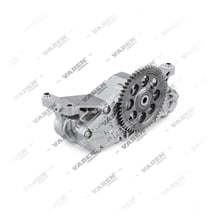
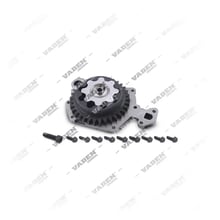
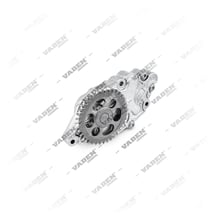
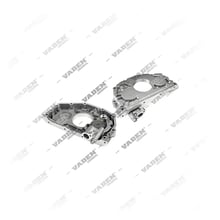
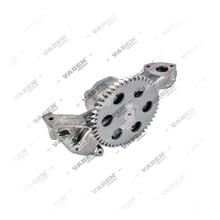
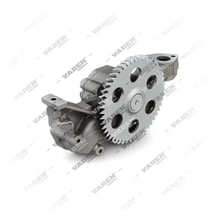
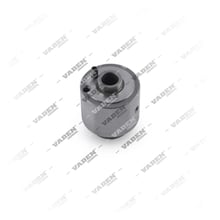
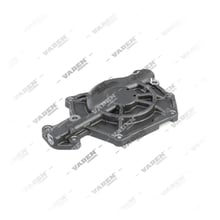
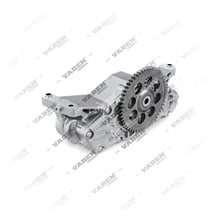
VADEN Engine Oil Pump
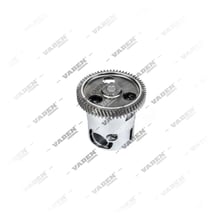
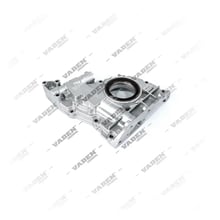
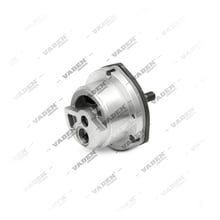
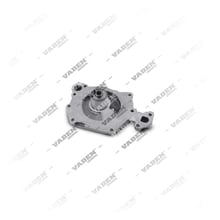
VADEN supplies engine oil pumps manufactured to OE tolerances for heavy-duty commercial vehicle engines. The product range is numbered to match the correct flow rate and drive type for each engine code; cross-check against OEM references to select the correct part.
Frequently Asked Questions (FAQ)
How long can an engine keep running safely if the oil pump fails?
Once oil pressure drops significantly, metal bearings wear rapidly; the engine should be shut down immediately when the oil pressure warning lights, since permanent damage can occur within minutes.
Does replacing the engine oil pump always require removing the sump?
On most heavy-duty engines, accessing the pump requires removing the sump or a lower cover, which is why the job is usually done in a workshop.
Does using the wrong oil viscosity affect the pump?
Yes, too high a viscosity strains the pump's suction ability, while too low a viscosity can prevent adequate pressure from building; the manufacturer's recommended viscosity should be used.
The oil pressure gauge reads normal but the engine is noisy, could the pump still be at fault?
The gauge reads pressure downstream of the sensor location; a problem in the suction line ahead of the pump may not show up immediately, so verifying with a mechanical gauge is recommended if noise is suspected.
Is the engine oil pump's relief valve the same as the oil filter bypass valve?
No, the relief valve on the pump limits pump outlet pressure, while the bypass valve on the filter allows oil to continue flowing around a clogged filter; these are two different components.
Related technical guide: Engine Oil Pump: Faults, Diagnosis, Replacement Guide