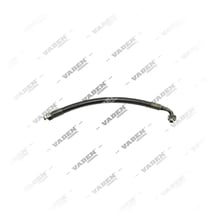
What is the Oil Pump Hose?
The Oil Pump Hose is a multi-layer pressure hose with an oil-resistant synthetic rubber inner surface and an outer layer usually made of braided wire or textile reinforcement. Each end has a fitting or clamped connection to the pump and the oil line. On some engine types a fixed metal pipe is used instead of a hose, but wherever vibration isolation is required, a flexible hose is always the preferred choice.
What are the functions of the Oil Pump Hose?
- Oil transfer: carries pressurised oil from the pump to the engine lubrication line.
- Vibration isolation: absorbs micro-movements between the pump and fixed lines, preventing rigid connection points from breaking.
- Pressure resistance: designed to continuously withstand oil pressure that varies with engine speed.
- Sealing: prevents oil leaks at connection points, preserving lubrication system efficiency.
What are the symptoms of Oil Pump Hose failure?
When the hose cracks or a connection point loosens, an oil puddle under the engine, a burnt-oil smell in the engine bay, and a low oil pressure warning on the dashboard may be seen. If the internal structure of the hose deteriorates, rubber debris can clog the oil filter, causing irregular pressure. A serious leak that goes unnoticed for a long time can cause oil level to drop rapidly and starve engine bearings of lubrication, leading to serious engine damage.
How is the Oil Pump Hose checked?
With the engine stopped and cold, the hose surface is checked by hand for hardening, bulging or cracking. With the engine running, connection points and the length of the hose are observed for leak traces. Oil pressure is measured with the gauge or a manometer and compared against the manufacturer reference range. Bend areas on the hose should also be visually checked for crushing or a narrowing internal diameter, as this restricts flow and causes pressure loss.
What should be considered during replacement?
Before fitting the new hose, note the routing and bend points of the old hose and follow the same route; incorrect routing can cause the hose to rub against moving parts. Connection clamps or fittings should be tightened to the manufacturer torque value; over-tightening can deform the hose end. After installation, run the engine briefly and check oil pressure and for leaks, then re-check the oil level.
How to choose the right Oil Pump Hose?
Hose selection should be based on the engine code, inner diameter and pressure rating; a hose with the wrong pressure rating risks bulging and bursting at high revs. For hoses operating in high-temperature zones, a braided-steel-reinforced type should be preferred. VADEN oil pump hoses are manufactured to OE pressure rating and dimensions, offering a reliable replacement option.
Oil Pump Hose - general technical reference values| Parameter | Approximate range |
|---|
| Operating pressure | 2-6 bar (varies with engine speed) |
| Operating temperature | -30 degC ... +150 degC |
| Construction | Oil-resistant rubber + braided wire/textile reinforcement |
| Connection type | Fitting or clamped end |
| Inspection interval | Visual check at each oil change |
The values in the table are general reference figures; for exact pressure rating and dimensions the engine current OE service manual is authoritative.
Maintenance and service life
The Oil Pump Hose performs reliably for many years when selected with the correct pressure rating and not exposed to excessive heat. Key factors that shorten its life include running the engine oil far beyond its change interval (degraded oil at high temperature damages the hose inner surface), the hose contacting moving parts, and over-tightened clamps.
VADEN Oil Pump Hose
VADEN manufactures oil pump hoses to OE pressure rating for the lubrication systems of heavy-duty diesel engines, providing reliable performance against vibration and high temperature.
Frequently Asked Questions (FAQ)
What does the oil pump hose do
It carries pressurised oil from the oil pump to the engine lubrication line and absorbs vibration between the pump and fixed lines.
What are the symptoms of a faulty hose
An oil puddle under the engine, a burnt-oil smell, and a low oil pressure warning on the dashboard may be seen.
How often should the hose be checked
A visual check for hardening, bulging and cracking is recommended at every oil change.
What happens if a hose with the wrong pressure rating is fitted
It risks bulging and bursting at high revs, so the pressure rating should match the engine code.
What is the most common installation mistake
Routing the hose incorrectly so it rubs against moving parts, or over-tightening the clamps.