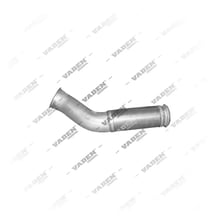
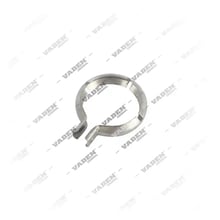
What Is a Flexible Pipe (Exhaust Flex)?
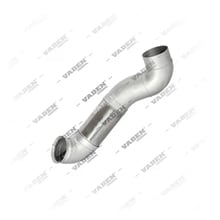
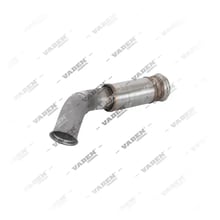
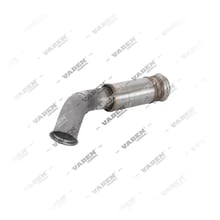
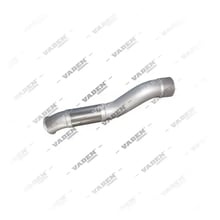
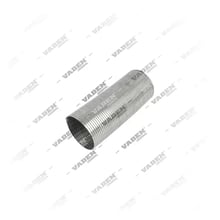
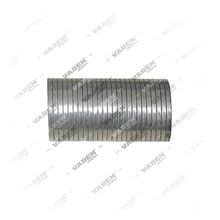
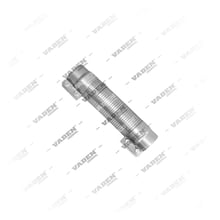
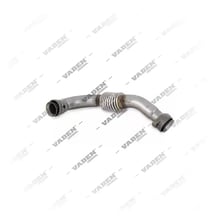
A flexible pipe is the braided metal bellows used in the exhaust system to dampen vibration and movement. It sits between the engine block and the fixed exhaust line, taking up the stresses caused by engine vibration, thermal expansion and chassis movement so the exhaust pipes and manifold do not crack. On heavy commercial vehicles it is typically built from a multi-layer stainless steel bellows wrapped in an outer wire braid, a construction that combines flexibility with resistance to high temperature and pressure.
What Does the Flexible Pipe Do in the Exhaust System?
- Absorbs Vibration: Reduces the transfer of engine vibration to the exhaust line and chassis, preventing fatigue in downstream parts.
- Handles Thermal Expansion: Its flexible body balances the expansion and contraction of pipes heated by high exhaust gas temperatures.
- Compensates for Movement: Takes up engine rock on its mounts and chassis flex, protecting rigid connection points.
- Keeps the Seal Tight: Prevents exhaust gas and noise from escaping the line, keeping emission and sound levels within standards.
- Extends System Life: Reduces stress on neighboring parts such as the manifold, exhaust pipe and muffler, increasing the life of the whole system.
Flexible Pipe Technical Summary
| Feature | Detail |
|---|
| Material | Multi-layer stainless steel bellows + outer wire braid (typically AISI 304/321) |
| Vehicle Type | Trucks, tractor units (long-haul), buses, midibuses, trailers and heavy commercial vehicles |
| Operating Temperature | Heat-resistant construction rated for high exhaust gas temperatures |
| OE Equivalent Approach | Matched to OE dimensions, diameter and connection type; produced to original-equipment standards |
| Connection Type | Welded, flanged or clamp-mounted (application dependent) |
| Installation | Should be fitted by a qualified workshop in the correct sequence and to spec torque |
| Service Interval | Visual check at scheduled maintenance; replace on any damage or crack |
Connection Parts in the Flexible Pipe Category
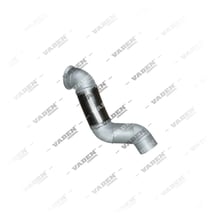
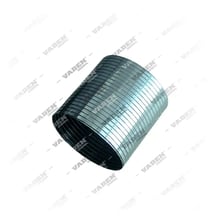
- Flexible Pipe / Flex Bellows: The braided metal bellows; the core component that absorbs vibration and thermal expansion.
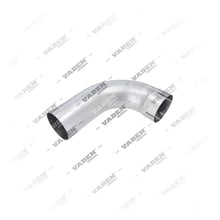
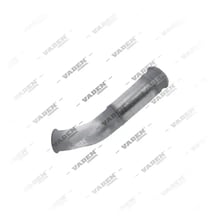
- Exhaust Pipe: The fixed line pipe that carries exhaust gas from the manifold to the muffler; it completes the line together with the flexible pipe.
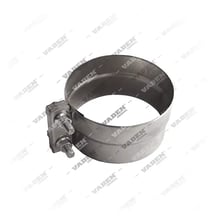
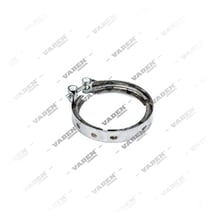
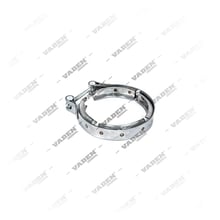
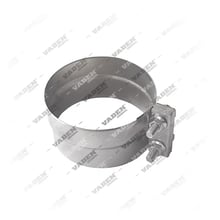
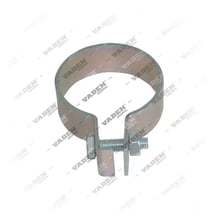
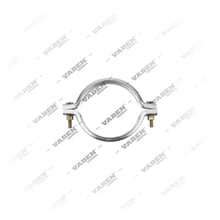
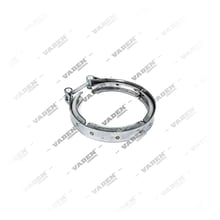
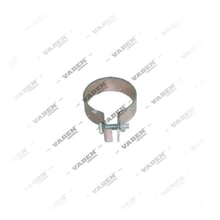
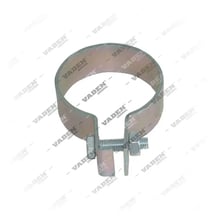
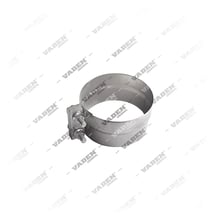
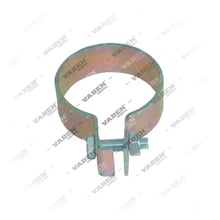
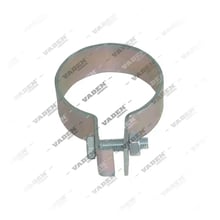
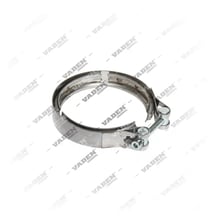
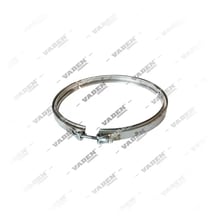
- Clamp: The fastening element that joins the flexible pipe and exhaust pipes together in a tight, secure connection.
What to Watch for When Servicing a Flexible Pipe
- Regular Visual Inspection: At scheduled maintenance, check the wire braid for broken strands, cracks, soot marks or deformation.
- Leak Check: With the engine running, inspect the connection points for the sound or smoke trails that signal an exhaust leak.
- Correct Fit and Torque: Tighten clamp and flange connections to the recommended torque and never over-stretch the flexible pipe.
- Check Hangers and Mounts: Worn exhaust hangers and engine mounts put extra load on the flex, so review these parts as well.
- Use Genuine Parts: For long life and a tight seal, choose OE-standard products such as VADEN ORIGINAL.
Common Flexible Pipe Problems and Solutions
- Exhaust Leak and Loud Noise: Cause: a crack in the bellows or broken strands in the wire braid. Fix: replace the flexible pipe with a new one and check the connection gaskets.
- Vibration and Rattling: Cause: a fatigued flex or a failed hanger/mount. Fix: check the exhaust hangers and mounts along with the flexible pipe and replace as needed.
- Premature Cracking: Cause: over-stretched or wrong-size installation. Fix: fit an OE-size flexible pipe in the correct position, free of tension.
- Corrosion and Rust: Cause: low-quality material or exposure to road salt and moisture. Fix: choose a stainless steel VADEN ORIGINAL flexible pipe.
- Emission and Performance Drop: Cause: exhaust back-pressure disrupted by a leak. Fix: eliminate the leak and renew the line with a leak-free flexible pipe and clamp.
Why Choose a VADEN ORIGINAL Flexible Pipe?
- Durable Stainless Material: Long-lasting stainless steel braided construction that resists high heat, vibration and corrosion.
- Built to OE Standards: Produced to original-equipment dimensions and quality standards, with broad coverage for Mercedes-Benz, MAN, Scania, Volvo, DAF, Iveco, Renault, BMC and Ford applications.
- Leak-Free, Quiet Operation: Precision manufacturing keeps exhaust leaks and noise to a minimum.
- Wide Product Range: Flexible pipes, exhaust pipes and clamps in a range of diameters, lengths and connection types.
- Technical Support: Professional spare-part support for correct part selection and installation.
Frequently Asked Questions (FAQ)
What does an exhaust flexible pipe do?
An exhaust flexible pipe absorbs the vibration, thermal expansion and movement between the engine and the exhaust line. This prevents the exhaust pipes and manifold from cracking and keeps the line sealed and leak-free.
How do I know if my exhaust flexible pipe is bad?
The clearest signs are a louder exhaust note, vibration and rattling with the engine running, broken strands or cracks in the wire braid, and soot or smoke trails. When you see these, the flexible pipe should be replaced promptly.
Why does an exhaust flexible pipe crack or split?
The most common causes are material fatigue, over-stretched or wrong-size installation, worn engine mounts and exhaust hangers, and corrosion. An OE-size, stainless steel flexible pipe reduces this risk.
Which parts should be replaced along with the flexible pipe?
When you replace the flexible pipe, renew the clamp and connection gaskets and check the condition of the exhaust hangers and engine mounts. If needed, replacing the exhaust pipe at the same time is recommended.
Which vehicles are VADEN ORIGINAL flexible pipes suitable for?
VADEN ORIGINAL flexible pipes are made for heavy commercial vehicles such as trucks, tractor units, buses and trailers. Sizes are available to suit various applications from brands like Mercedes-Benz, MAN, Scania, Volvo, DAF, Iveco, Renault and BMC.
Can I replace an exhaust flexible pipe myself?
Because fitting requires the correct position, tension and torque, it is best done at a qualified workshop. Incorrect installation can lead to premature cracking and exhaust leaks.
Conclusion
The flexible pipe (exhaust flex) is a critical connection part that protects the exhaust line of heavy commercial vehicles from vibration and thermal stress. A correctly sized, stainless and leak-free flexible pipe extends exhaust life and keeps emission and sound levels within standards. For reliable, long-lasting exhaust solutions across your truck, bus and long-haul fleet, VADEN ORIGINAL is by your side.
Related technical guide: Exhaust Flex Pipe · Download PDF
Related technical guide: Exhaust Flex Pipe: Faults, Replacement and Maintenance Guide
Related technical guide: DPF (Diesel Particulate Filter) Guide: Symptoms & Cleaning