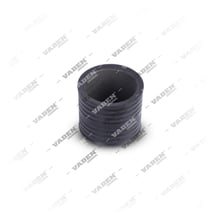
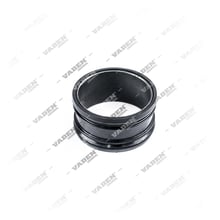
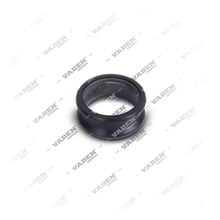
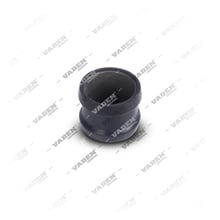
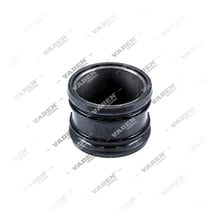
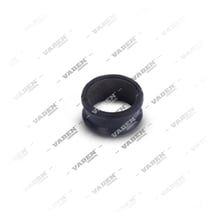
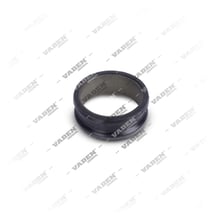
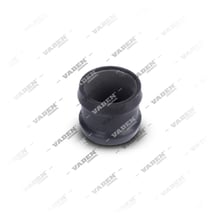
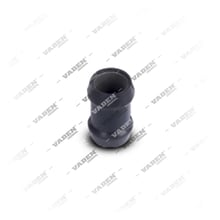
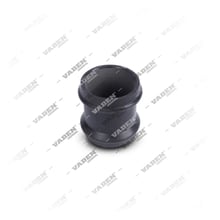
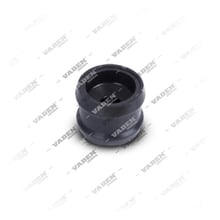
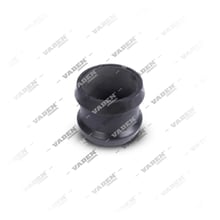
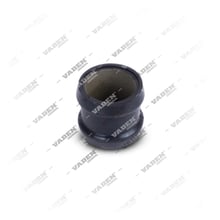
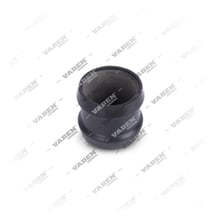
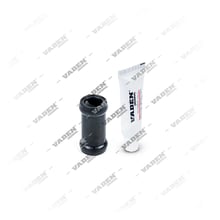
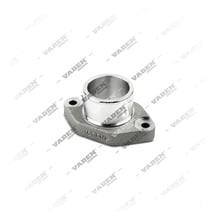
What Is a Water Pump (Coolant Circulation) Water Pipe?
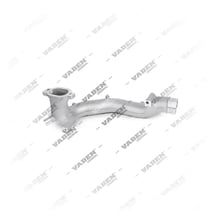
A Water Pump (Coolant Circulation) Water Pipe is the metal- or composite-bodied line in a heavy commercial vehicle's cooling system that connects the coolant circulation pump to the engine block, cylinder head, and radiator. In the field it is also called a circulation pipe, water pump suction pipe, or coolant transfer pipe. It forms a sealed transition between the block's water channels and the pump housing, so coolant reaches the pump without interruption. Because it operates continuously under high temperature and vibration in trucks, tractor units, and buses, its build quality directly determines the whole cooling system's reliability. Within the Cooling System > Water Pump (Coolant Circulation) subcategory, this part is an inseparable complement to the pump housing — if it fails, system efficiency drops even when the pump itself is fine.
How Does a Water Pump (Coolant Circulation) Water Pipe Work?
While the engine runs, the vaned rotor of the coolant circulation pump spins and draws coolant from the block's channels, pushing it toward the radiator. The Water Pump (Coolant Circulation) Water Pipe is the physical carrier of this suction and discharge line; it forms the passage that lets coolant flow toward the pump without loss. Its internal diameter and geometry set the flow velocity, while its gasketed connection faces keep the system leak-free under pressure.
- Flow Direction: Channels coolant in an orderly manner from the block passage to the pump inlet, or from the pump outlet to the cylinder head.
- Pressure Handling: Its wall thickness withstands system operating pressure and resists deformation under sudden pressure surges.
- Sealing: Flange faces and gasket seats prevent coolant leakage despite continuous engine vibration.
- Thermal Expansion Tolerance: Its material structure absorbs expansion and contraction from engine temperature changes without cracking.
Technical Specifications of the Water Pump (Coolant Circulation) Water Pipe
The Water Pump (Coolant Circulation) Water Pipe is typically made from cast aluminum, steel sheet, or reinforced composite housing; corrosion-resistant coated steel is preferred in some applications. Internal diameter and flange dimensions vary by engine code and pump model, so the engine code, chassis number, and OEM reference number must be matched before ordering. Connection flanges usually come with an O-ring or gasket seat, and installation torque should stay within the range specified in the manufacturer's service manual; for exact torque and pressure values, that current manual is authoritative. The pipe wall is sized with a safety margin above operating pressure and resists engine oil and coolants such as antifreeze.
Types and Subgroups of Water Pump (Coolant Circulation) Water Pipes
- Cast Aluminum Circulation Pipe: Widely used in European-built heavy truck engines thanks to its light weight and good heat conduction.
- Steel Sheet Water Pipe: Preferred in applications requiring high mechanical strength and in older-generation engine blocks.
- Combined Pipe with Thermostat Housing: Combines the circulation line and thermostat housing in a single body, reducing the number of connection points.
- Flexible-Joint Intermediate Pipe: A type supported by a short hose segment to dampen vibration between the engine and the pump.
- Pipe with Sensor Port: Designs with an additional port for mounting a temperature sensor or pressure switch.
How to Choose the Right Water Pump (Coolant Circulation) Water Pipe
Matching the engine code, chassis number, and OEM number of the existing pump model when selecting the right part prevents sealing problems after installation. The table below summarizes the key selection criteria.
Water Pump (Coolant Circulation) Water Pipe Selection Criteria| Criterion | Description |
|---|
| Material Compatibility | The aluminum, steel, or composite housing must have thermal expansion compatibility with the engine block material |
| Flange and Connection Type | Bolt pattern, O-ring seat, and gasket dimensions must match the original pump housing exactly |
| Internal Diameter and Flow Capacity | An internal diameter suited to the cooling system's flow rate prevents flow loss and overheating risk |
| Engine Code Match | The correct variant should be determined by referencing the engine code and chassis number before ordering |
| Sensor/Port Compatibility | If a temperature sensor or additional port is needed, the housing must have the corresponding connection |
Maintenance and Key Considerations for the Water Pump (Coolant Circulation) Water Pipe
- Surface Cleaning Before Installation: Do not fit a new pipe until old gasket residue is fully removed from the flange faces.
- Correct Tightening Torque: Tighten bolts to the value in the manufacturer's service manual; overtightening can crack the housing.
- Coolant Quality: The correct antifreeze ratio prevents corrosion and scale buildup on the internal surface.
- Periodic Visual Inspection: During engine maintenance, check the pipe body for cracks, discoloration, and leak traces.
- Checking Vibration Sources: A loose engine mount or belt tension adds extra load to the pipe and should be checked alongside it.
Common Faults and Their Solutions
- Fluid Leakage at the Flange Area: Usually caused by a worn gasket or loose bolt; replace the gasket and recheck torque.
- Visible Crack in the Housing: Caused by excessive torque or expansion after freezing; the pipe must be replaced completely.
- Sudden Rise in Engine Temperature: Blockage or scale in the pipe's bore may be restricting flow; flush the system and inspect the pipe.
- Air Pocket in the Coolant: Air drawn in through a loose connection disrupts circulation; scan all connection points for leaks.
- Corrosion at the Connection Area: Long-term use of the wrong coolant erodes the surface; replace the pipe and switch to the correct ratio.
Why Choose VADEN ORIGINAL?
- Manufactured to OE Dimensions: Flange, internal diameter, and connection geometry are made for a perfect fit with the original pump housing.
- Broad OEM Coverage: Correct reference matching is offered for various engine codes, led by Mercedes-Benz, MAN, Scania, Volvo, DAF, and Iveco.
- Durable Material Selection: A housing resistant to thermal cycling and coolant chemicals targets a long service life.
- Exported to More Than 100 Countries: A manufacturing standard tested under diverse climates delivers reliability for fleets.
Conclusion
The Water Pump (Coolant Circulation) Water Pipe is a small but critical component that directly determines cooling system reliability. Correct engine code matching, proper torque, and regular visual checks prevent unexpected failures. The VADEN ORIGINAL range delivers safe, uninterrupted cooling performance for heavy commercial vehicle fleets through OE-dimension manufacturing and broad OEM matching.
Frequently Asked Questions (FAQ)
What does a Water Pump (Coolant Circulation) Water Pipe do?
It carries coolant in a sealed manner between the engine block and the coolant circulation pump. Even if the pump itself is intact, flow is interrupted when this pipe fails, putting the engine at risk of overheating.
How do I know if my Water Pump (Coolant Circulation) Water Pipe is cracked?
A coolant stain at the flange area, a sweetish smell in the engine bay, and a sudden rise on the temperature gauge are the most common signs. In this case the pipe should be visually inspected, and if a crack is found it must be replaced without delay.
What information is needed to replace a Water Pump (Coolant Circulation) Water Pipe?
To find the correct part you need the vehicle's engine code, chassis number, and the OEM reference number of the current pump model. Ordering without matching this information can lead to flange or internal diameter mismatches.
Which vehicles is the VADEN ORIGINAL Water Pump (Coolant Circulation) Water Pipe compatible with?
Variants are manufactured to fit many heavy commercial vehicle engine codes, led by Mercedes-Benz, MAN, Scania, Volvo, DAF, and Iveco. For exact compatibility, verifying the engine code and OEM number is recommended.
What should I watch for when replacing a Water Pump (Coolant Circulation) Water Pipe?
Old gasket residue must be cleaned off, bolts tightened to the torque value in the manufacturer's service manual, and system air bled out after installation. Using the correct coolant mixture is also important to prevent corrosion.
Related technical guide: Truck Water Pump Repair: Housing, Gasket and Water Pipe