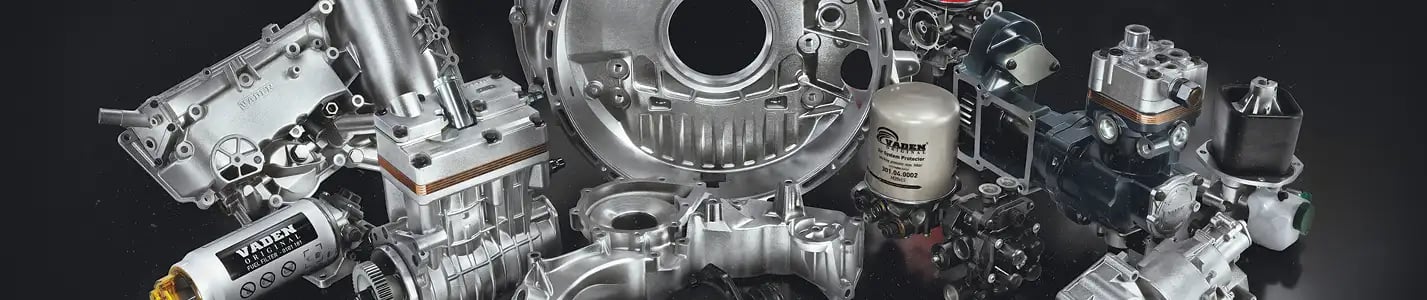
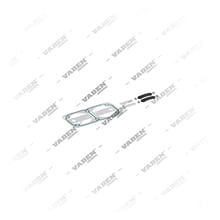
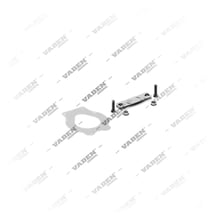
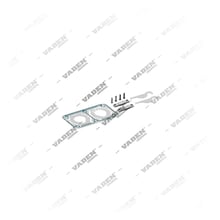
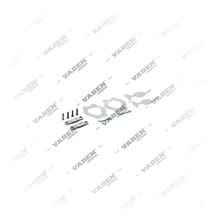
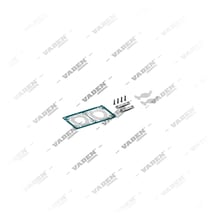
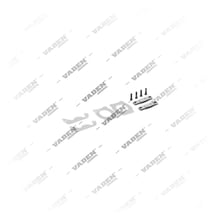
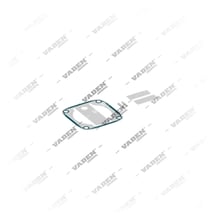
What Is a Compressor Parts Valve Kit?
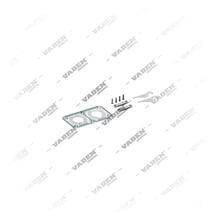
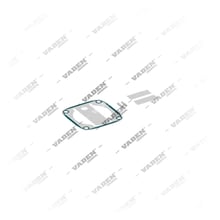
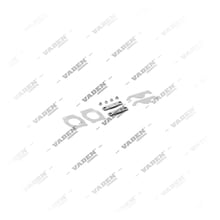
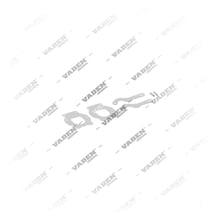
The Compressor Parts Valve Kit is a service set prepared to renew the valve assembly located between the cylinder head and the housing of an air brake compressor. It brings together the intake and discharge valve reeds, the valve plate, springs and sealing elements in a single package. It sits under the Compressor Parts heading within the Air Brake Compressors main group, restoring air delivery efficiency without requiring a complete compressor replacement. In the field it is also known as a "valve plate kit," a "compressor valve set," or simply a "valve kit." In trucks, tractor units, buses and trailers, fatigue of the valve reeds is one of the most common causes of pressure loss.
How Does a Compressor Parts Valve Kit Work?
The valve kit works on the principle of one-way flaps that open and close on every stroke. As the piston moves down, the intake valve opens and filtered air fills the cylinder; as the piston moves up, this valve closes, the discharge valve opens, and the compressed air travels through the dryer to the air tanks. Because this cycle repeats thousands of times per minute, the valve reeds are the components exposed to the highest cyclic load.
- Intake valve: Allows the cylinder to fill, closing during the compression stroke to prevent backflow.
- Discharge valve: Lets the compressed air pass only in the outlet direction; closes once pressure drops.
- Valve plate: The seating surface separating the intake and discharge passages; its flatness determines compression efficiency.
- Spring and limiters: Control the opening height of the reed and its closing speed.
- Gasket and sealing elements: Separate the air, oil and water passages between the head and the housing and prevent leakage.
Compressor Parts Valve Kit Technical Specifications
Valve reeds are made from heat-treated spring steel so they can withstand continuous opening-and-closing loads. Plates are machined from cast iron or steel alloy, with seating surfaces ground to a low roughness. Gaskets are selected from materials able to withstand the high temperature and oil vapor present at the compressor outlet. In pneumatic circuits, operating pressure generally falls within the 8-13 bar range; because cut-out pressure and tightening torques vary by compressor type, the vehicle manufacturer's current service manual should be treated as the reference.
- Sizing logic: Cylinder bore, plate thickness and bolt-hole pattern must match the original part.
- Compatibility: The compressor's OE number, cylinder count and head cooling type must be evaluated together.
- Tightening: Head bolts are tightened in stages, in a crosswise sequence.
Compressor Parts Valve Kit Types and Subgroups
- Complete valve kit: Plate, reeds, springs and gasket set come in the same package; preferred when the head is being fully overhauled.
- Reed (lamella) sets: Contain only the valve reeds and their retaining elements; an economical solution when the plate is still sound.
- Intake valve and spring group: Used on compressors showing weak intake and a hissing sound.
- Discharge valve and seating washer group: The first thing to check when the tank fills slowly and pressure build-up time lengthens.
- Gasket-kit sets: Cover the head gasket, intermediate gasket and sealing rings.
- Compressor-type-specific sets: Separate references exist for single- and twin-cylinder, air-cooled and water-cooled heads.
How to Choose the Right Compressor Parts Valve Kit
The most reliable approach is to work from the OE number cast into the compressor housing. Because the same model can use a different compressor depending on engine option, brand and model information alone is not enough. The thickness of the removed old plate and its bolt pattern should be compared against the new kit.
Compressor Parts Valve Kit selection and compatibility criteria| Criterion | How to verify | Effect of mismatch |
|---|
| OE / OEM number | Read the cast number on the housing and head | Passage layout will not align |
| Compressor brand | Wabco, Knorr-Bremse or manufacturer type label | Will not seat in the plate recess |
| Cylinder count | Confirm single- or twin-cylinder housing | Valve count falls short |
| Cooling type | Distinguish finned versus water-jacketed head | Water passage gasket leaks |
| Plate thickness | Measure old plate against new part | Pressure builds slowly |
| Bolt pattern | Match hole count, diameter and spacing | Head cannot be tightened evenly |
| Gasket content | Check scope of head and intermediate gaskets | Leak persists |
Compressor Parts Valve Kit Maintenance and Points to Watch
The valve kit is not an adjustable group but one replaced once worn; most of its upkeep comes down to correct installation and clean intake air. When the head is removed, the plate surface must not be scratched, old gasket residue should be removed with a soft scraper, and flatness should be checked.
- Don't neglect the intake filter: Dirty air is the most common cause of wear on valve surfaces.
- Watch oil quality: Degraded oil leads to carbon buildup on the plate and prevents the reeds from closing fully.
- Don't reuse the gasket: Once compressed, a gasket loses its original form.
- Tighten in stages, crosswise: For torque, the vehicle manufacturer's current service manual is the reference.
- Don't neglect moisture drainage: Condensation causes corrosion on valve surfaces and sticking in cold weather.
Common Failures and Their Solutions
Valve group failures usually announce themselves not by the compressor stopping but by slowing air delivery. When the symptom is read correctly, the problem can often be resolved by renewing only the valve kit instead of the complete unit.
- Tank fills slowly: The discharge valve is not closing fully or the reed has fatigued; the kit is renewed and the plate surface is checked.
- Compressor runs continuously without unloading: Air leaks back through a valve leak; valve surfaces and the regulator circuit are inspected.
- Hissing and hot air on the intake side: The intake valve is leaking; the kit is replaced and the intake filter renewed as well.
- Oil traces in the air line: When the valve does not close fully, temperature rises and oil vapor is carried along.
- Metallic knocking from the head area: A reed may have broken; the broken piece must be cleared before it drops into the cylinder.
Why VADEN ORIGINAL?
VADEN is a manufacturer specialized in air brake compressors and compressor parts. Valve kits are produced to OE dimensions and cross-matched to compressor housings.
- Production to OE dimensions: Plate thickness, passage diameters and bolt pattern are machined to original dimensions.
- Broad OEM coverage: References are available for Wabco and Knorr-Bremse type compressors fitted to Mercedes-Benz, MAN, Scania, Volvo, DAF, Iveco, Renault Trucks, BMC and Ford vehicles.
- Catalog depth: Numerous references covering different compressor types are available from a single supplier.
- Exports to over 100 countries: Products are used across different climates and road conditions; field feedback feeds back into production.
- Complete solution: Gasket sets, piston and ring groups and other compressor parts are in the same catalog.
Conclusion
The Compressor Parts Valve Kit is a small but critical group that determines the air delivery capacity of the air brake system. A fatigued valve reed causes pressure to build slowly and brake response to weaken, even when the compressor otherwise looks sound. Replacing the valve kit with correct OE matching, a new gasket and staged tightening is markedly more economical than a complete compressor replacement.
Frequently Asked Questions (FAQ)
What does a Compressor Parts Valve Kit do?
The valve kit contains the intake and discharge valves, the plate and the sealing elements that allow air to flow in one direction inside an air brake compressor. Through this group, air drawn into the cylinder is compressed and sent on to the tanks without leaking back. When the valves fatigue, the compressor may keep turning, yet system pressure no longer rises enough.
How do I know the valve kit needs to be replaced?
The clearest signs are the air tank filling slowly, the compressor running continuously without unloading, a hissing sound on the intake side, and oil traces appearing in the air line. Metallic knocking from the head area can indicate a broken valve reed. When these symptoms appear, the head should be removed and the valve surfaces inspected.
Is replacing only the valve kit enough?
If the compressor housing, crankshaft and cylinder surface are still sound, renewing only the valve kit restores air delivery to its former efficiency in most cases. However, if the rings and cylinder liner show significant wear, replacing the valve alone will not provide a lasting fix. While the head is off, it is worth checking the cylinder and piston group as well.
How do I choose the correct valve kit?
The most reliable method is to base the choice on the OE number stamped on the compressor housing. In addition, whether the compressor is single- or twin-cylinder, whether it uses an air- or water-cooled head, plate thickness and bolt-hole pattern should be compared against the new part. Because the same vehicle model can use a different compressor depending on engine option, brand and model information alone is not sufficient.
What should I pay attention to when installing the valve kit?
The plate surface must be cleaned without scratching it, old gasket residue must be fully removed, and the valve reeds must be positioned according to their original orientation. Head bolts should be tightened in stages, in a crosswise sequence, with the torque value based on the vehicle manufacturer's current service manual. After installation, the result should be confirmed with a fill-time and leak test.
Related technical guide: Compressor Valve & Unloader: Fault, Replacement & Care Guide