What is a power steering pump repair kit?
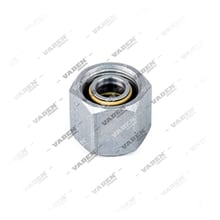
The power steering pump repair kit is a repair set that covers the pump shaft seal, inlet/outlet o-rings, pressure valve gasket and, on some models, the relief valve spring. Its contents vary by pump type; on vane-type pumps the rotor and vanes may be sold separately, while on gear-type pumps the gear set is usually not included in the kit. The kit must be manufactured to the same dimensions and material properties as the original pump so that reliable sealing is achieved under high pressure.
What are the functions of the power steering pump?
As the power source of the hydraulic steering system, the pump performs several core functions.
- Pressurization: sends steering fluid to the steering gearbox or cylinder at sufficient pressure.
- Flow control: balances the fluid flow that varies with engine rpm, keeping steering feel consistent.
- Pressure limiting: a relief valve prevents the system from exceeding its maximum allowed pressure.
What are the symptoms of a power steering pump repair kit failure?
When the shaft seal wears, hydraulic fluid leaks from the pump body, the fluid level drops over time, and the steering begins to feel stiff. When internal o-rings deteriorate, the pump leaks internally, which shows up as difficulty turning the steering at low rpm that improves at higher rpm. A whistling or humming noise from the pump usually points to air ingestion or internal wear, and this noise becomes more pronounced when the steering is turned to full lock. In advanced wear, the pump cannot generate sufficient pressure, the steering becomes completely stiff, and maneuvering safety is significantly reduced.
How is the power steering pump checked?
With the engine running, the pump body and shaft outlet are visually inspected for leaks; wiping with a dry cloth and rechecking after a few minutes confirms the source of the leak. Steering hydraulic pressure is measured at idle and high rpm using a pressure gauge connected to the pump outlet; a value below the manufacturer's tolerance indicates internal wear. The pump pulley and belt should be checked for looseness and wear to distinguish whether the noise is coming from the belt or the pump.
What should be considered during replacement?
Before fitting the repair kit, hydraulic fluid must be fully drained, and the inlet and outlet lines should be labeled when removing the pump to avoid confusion. When installing the shaft seal, make sure the seal lip faces the correct direction and lightly lubricate it with hydraulic fluid before assembly rather than fitting it dry. Before o-rings are seated in their grooves, old o-ring residue must be fully removed, leaving no burrs or debris. After installation, the system should be bled per the manufacturer's procedure, with the steering turned lock-to-lock several times to purge air bubbles.
How to choose a power steering pump repair kit?
Compatibility should be verified against the manufacturer code on the pump or the vehicle chassis number; kit contents differ completely between vane-type and gear-type pumps. The seal material must be compatible with the hydraulic fluid type used (mineral-based ATF or a dedicated power steering fluid); an incompatible material can swell and deteriorate quickly.
Power steering pump repair kit - general reference values| Parameter | Typical range |
|---|
| Operating pressure | 80-150 bar (the vehicle manufacturer's current service manual is authoritative) |
| Hydraulic fluid type | Manufacturer-approved power steering/ATF-type hydraulic fluid |
| Shaft seal material | NBR/PTFE composite, oil resistant |
| Inspection interval | Visual leak and pressure check at every fluid change |
Maintenance and service life
Changing power steering fluid and its filter (if fitted) according to the manufacturer's interval slows internal pump wear. Correctly setting belt tension reduces the side load on the pump shaft, extending seal life. With proper maintenance, a pump fitted with a repair kit can run trouble-free for 3-5 years, or a period that varies with usage intensity.
VADEN Power Steering Pump Repair Kit
VADEN offers power steering pump repair kits built to OE dimensions for heavy commercial vehicle hydraulic steering systems, with seal and o-ring sets resistant to high pressure.
Frequently Asked Questions (FAQ)
What is the difference between a power steering pump repair kit and a full pump replacement?
The repair kit only renews the shaft seal, o-rings and some gaskets; the pump body, rotor or gear assembly remains original. If there is wear in the rotor/gear assembly or a crack in the body, the repair kit is not enough and a full pump replacement is needed.
If pump noise continues after fitting the repair kit, what could be the cause?
In this case the rotor/vane assembly or gear set is usually also worn, or air remains in the system. The system should be bled again; if the problem persists, the pump's internal mechanism should be inspected.
Does the pump need to be removed from the vehicle to fit the repair kit?
On most vehicles the pump must be fully removed from the vehicle and opened on a bench, because removing the rotor assembly is needed to access the shaft seal and internal o-rings. On some simple models on-vehicle service may be possible.
Can using the wrong hydraulic fluid damage the repair kit?
Yes, seal and o-ring materials are designed for specific fluid types; an incompatible fluid can swell the rubber compound and cause premature failure, so a manufacturer-approved fluid type should always be used.
In what situations does the power steering pump require urgent attention?
If the steering suddenly becomes very stiff or the noise from the pump increases sharply, maneuvering safety is at risk, so the vehicle should be taken to service as soon as possible and not driven long distances.