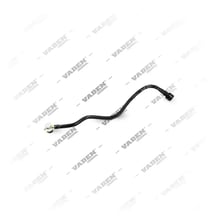
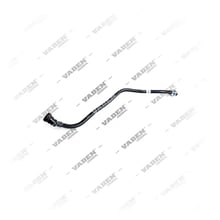
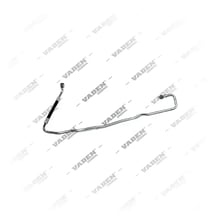
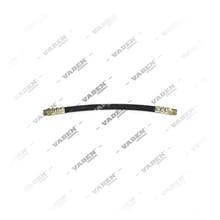
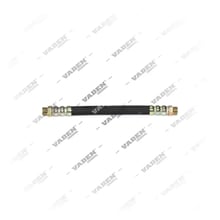
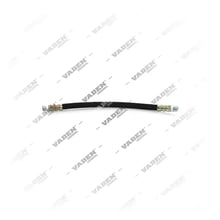
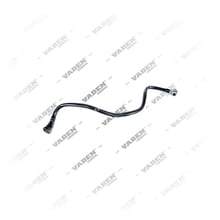
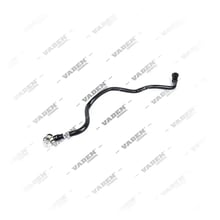
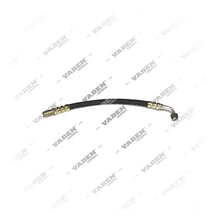
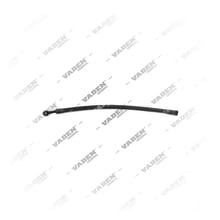
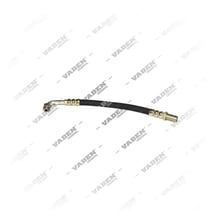
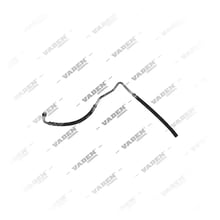
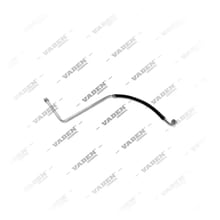
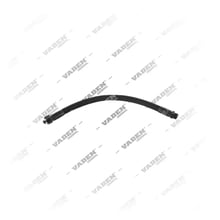
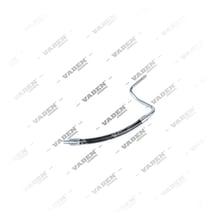
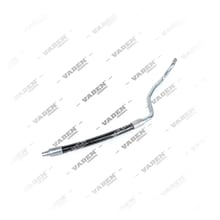
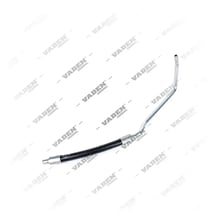
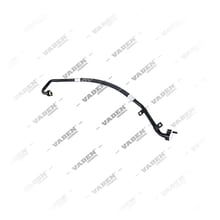
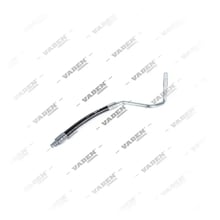
What Is a Steering Pipe?
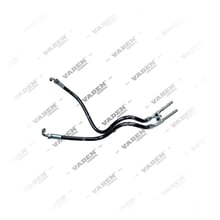
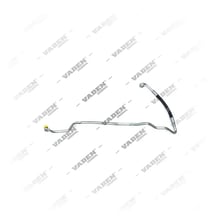
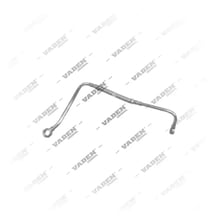
The steering pipe is the steel connecting line that forms the pressure and return circuit of a heavy commercial vehicle's hydraulic power steering system, carrying oil between the steering pump, the steering gear box and the hydraulic reservoir. In the field it is also called the "steering hydraulic pipe" or "power steering pipe". It runs through the engine bay from the pump outlet to the gear box, and on to the oil reservoir. Across truck, tractor unit, bus and trailer fleets, it is a standard component in the steering systems of brands such as Mercedes-Benz, MAN, Scania, Volvo, DAF, Iveco, Renault Trucks and BMC. Its condition directly affects how proportionally and instantly the driver's steering effort reaches the wheels through hydraulic assistance.
Steering Pipe Functions and Working Principle
The steering pipe carries pressurised oil from the pump to the gear box and returns the low-pressure oil back to the reservoir. When the driver turns the wheel, the valve position in the gear box shifts, directing pressurised oil through the correct pipe to the correct piston. The pipe's inner diameter, wall thickness and connector geometry directly determine pressure loss and oil flow rate in the system.
- Pressure Delivery: Carries high-pressure oil from the pump to the gear box, generating steering assist force.
- Return Circulation: Returns used oil from the gear box to the reservoir, completing the closed circuit.
- Vibration and Surge Damping: Absorbs engine vibration and pressure surges to keep the line intact.
- Sealing Function: Its connector geometry works with seals to prevent oil leakage.
Steering Pipe Technical Specifications
Steering pipes are typically made from steel or double-layer coated steel tubing; on the pressure line, wall thickness and diameter must withstand greater loads than on the return line. Connector ends use tapered nut, flange or banjo geometry that varies by vehicle model. Bend angles are engineered specifically for each vehicle so the pipe clears other components in the engine bay. Operating pressure varies by pump type and vehicle model; for exact values, the vehicle's current service manual is authoritative. Connector seals and O-rings provide sealing at the end points and should be renewed together with the pipe.
Steering Pipe Types and Subgroups
- Pressure Line Pipe: A thick-walled steel line carrying high-pressure oil from the pump to the gear box.
- Return Line Pipe: A thinner-walled line through which low-pressure oil returns to the reservoir.
- Pump Suction Pipe: Carries oil from the reservoir to the pump on the suction side.
- Fixed (Rigid) Metal Pipe: A vehicle-specific, shaped steel body secured to the chassis and engine block with clips.
- Flexible Connecting Sections: Short hose transitions that compensate for vibration between the rigid pipe and moving parts.
- Connector Nuts and Fittings: Tapered nut, flange and banjo elements that join the pipe ends leak-tight.
How to Choose the Right Steering Pipe
When selecting a steering pipe, matching the correct variant to the vehicle's make, model and chassis number is critical; even within one model, different engine and pump types may need different pipe geometries. Connector type, inner diameter, wall thickness and mounting angles must match the original part exactly; a mismatched pipe causes strain, premature cracking or leakage. The table below summarises the key selection criteria.
Key Criteria to Consider When Selecting a Steering Pipe| Criterion | Description |
|---|
| Line Type | Determine whether it is the pressure, return or pump suction line |
| Connector Geometry | Tapered nut, flange or banjo type must match the original part |
| Inner Diameter and Wall Thickness | Must suit the system's pressure level in size and strength |
| Vehicle Chassis Number | Different engine and pump variants within a model may need a different pipe |
| Material and Coating | A corrosion-resistant steel or coated steel body should be preferred |
| Seal and O-ring Set | Renew the connector seals together with the pipe |
Steering Pipe Maintenance and What to Watch For
- Carry Out Regular Visual Inspections: Check the pipe surface for rust, dents, chafing or oil leakage.
- Monitor the Connection Points: Ensure tapered nut and flange connections stay torqued to spec; over-tightening damages the threads.
- Watch for Vibration-Related Wear: Check that clips and brackets securing the pipe to the chassis are intact; loose mounting causes premature cracking.
- Keep Track of the Hydraulic Oil Level: Low or contaminated oil raises pressure fluctuations and load on the line.
- Preserve the Original Geometry When Replacing: Follow vehicle-specific bend angles and lengths, and never force-bend the pipe during installation.
Common Faults and Solutions
- Oil Leakage in the Steering System: Caused by a worn seal or a cracked pipe body; locate the leak and replace the pipe or seal.
- Stiffening or Heaviness in the Steering: A crushed or narrowed pipe restricts oil flow; check the line for blockage and deformation.
- Whining or Whistling Noise When Turning the Steering Wheel: Air ingress or a loose connection may be the cause; check connector nuts and re-tighten if necessary.
- Rapid Drop in Steering Fluid Level: Points to continuous leakage from a hidden micro-crack or porosity; replace the pipe line.
- Premature Wear in the Hydraulic Pump: A blocked or narrowed return line pipe forces the pump to run at high pressure and wear prematurely; inspect the return line first.
Why VADEN ORIGINAL Steering Pipe?
- Manufactured to Vehicle-Specific OE Dimensions: Every pipe is produced to the original bend angles, length and connector dimensions of the relevant vehicle.
- Broad OEM Cross-Reference Coverage: Provides the correct reference for numerous brands and models, including Mercedes-Benz, MAN, Scania, Volvo, DAF, Iveco, Renault Trucks and BMC.
- Durable Material: A corrosion- and vibration-resistant steel body delivers a long service life.
- Leak-Tight Connection Quality: Precision-machined connector surfaces seal reliably together with original seals and O-rings.
- Export Experience to More Than 100 Countries: Preferred by fleet operators and authorised workshops across a wide geography.
Conclusion
Though it may seem like a minor component, the steering pipe is critical to the pressure integrity of the hydraulic steering system and to overall driving safety. Addressing signs such as leakage, crushing or cracking without delay protects the steering pump and preserves driver comfort. Manufactured to OE dimensions with broad vehicle compatibility, the VADEN ORIGINAL steering pipe offers a reliable replacement part solution.
Frequently Asked Questions (FAQ)
What symptoms appear when the steering pipe fails?
Sudden stiffening of the steering wheel, a rapid drop in hydraulic fluid level, visible oil leakage in the engine bay and a whining noise when turning are the most common symptoms. If any of these signs appear, the pipe line and its connection points should be checked without delay.
Why does a steering pipe leak?
The most common cause of leakage is worn seals or O-rings at the connection points; micro-cracks that develop in the pipe body can also lead to leakage over time. Connections tightened with vibration exposure or incorrect torque also increase the risk of leaks.
What should be considered when replacing a steering pipe?
The pipe must have the bend angles and length appropriate for the vehicle's chassis number, and it must never be force-bent during installation. Renewing the connector seals and O-rings together with the pipe prevents leakage from recurring.
What is the difference between a steering pipe and a steering hose?
A steering pipe is generally a fixed line with a rigid steel body secured to the chassis, while a hose is a short, flexible transition section that compensates for vibration between moving components. Together, they are complementary parts of the steering hydraulic circuit.
Which vehicles are VADEN ORIGINAL steering pipes compatible with?
VADEN ORIGINAL steering pipes are manufactured to be compatible with the steering systems of heavy commercial vehicle brands such as Mercedes-Benz, MAN, Scania, Volvo, DAF, Iveco, Renault Trucks and BMC. To determine the correct variant, it is recommended to verify the vehicle's chassis number with technical support.
Related technical guide: Truck Steering Gear Box: Faults, Replacement & Maintenance
Related technical guide: Power Steering Hydraulic Line Guide: Leaks & Replacement