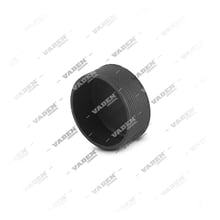
What is a Transmission Shifting Cylinder Plug?
Although it looks like a simple fastener, this part is the single point that maintains internal pressure inside the shifting cylinder, provides access to the lubrication passage, and can be removed and refitted during service and maintenance. A leaking or missing plug directly affects gear-shift performance and the service life of the transmission.
What are the functions of a Transmission Shifting Cylinder Plug?
The transmission shifting cylinder plug performs the following functions:
- Sealing: Prevents pressurized air or oil inside the shifting cylinder from escaping.
- Contamination barrier: Blocks dust, water and road debris from entering the internal volume of the cylinder.
- Service access point: Can be removed and refitted to inspect the cylinder interior or drain air/oil during maintenance.
- Pressure balance: In some designs, the plug helps maintain the internal cylinder pressure at the required level.
- Mechanical protection: Shields the open end of the piston chamber from impact damage and corrosion.
What are the symptoms of a faulty Transmission Shifting Cylinder Plug?
A loose, cracked or worn plug, or a degraded sealing surface, typically shows the following symptoms:
- Air leak noise: A hissing or whistling sound from the shifting cylinder area indicates a pressure loss around the plug.
- Delayed gear shifts: Slow, stiff or incomplete range or splitter shifts.
- Oil or moisture traces: Oil seepage, rust staining or moisture buildup visible around the plug.
- Pressure warning: Frequent activation of the low air-pressure warning light on the dashboard.
- Abnormal vibration: Unusual vibration or metallic noise from the gearbox housing.
- Dirt accumulation: Dust and dirt buildup around the plug seat is a visual sign that the seal has failed.
How is a Transmission Shifting Cylinder Plug checked?
Inspection should be carried out with the vehicle parked, the engine off and the system fully depressurized:
- Visual inspection: Check the plug surface for cracks, deformation or corrosion.
- Leak test: Pressurize the system and apply a soap-and-water solution around the plug to check for bubble formation.
- Tightness check: Verify with a torque wrench that the plug is tightened to the value specified by the manufacturer; the vehicle's current OE service manual is authoritative for the exact figure.
- Seal condition: Remove the plug and check whether the sealing gasket or copper washer has hardened.
- Thread inspection: Examine the threads on both the plug and the cylinder body for wear or damage.
What should be considered when replacing it?
The following points should be observed when replacing the transmission shifting cylinder plug:
- Depressurize the system: Make sure the air/oil system is fully depressurized before starting the replacement.
- Correct torque: Over-tightening damages the threads, while under-tightening causes leaks; follow the torque range given in the vehicle's current OE service manual.
- Use a new seal/washer: The sealing element of the removed plug should never be reused and must be replaced with a new one.
- Cleanliness: Clean the thread seat and plug surface of dirt and old gasket residue before installation.
- Post-fill check: After replacement, run the system and recheck for leaks.
- Fitment verification: The plug's thread size and material must match the original part exactly.
How to choose the right Transmission Shifting Cylinder Plug?
Selecting the correct plug requires checking the vehicle model, transmission type and OEM reference number. The table below summarizes the key selection criteria.
Transmission Shifting Cylinder Plug selection criteria| Criterion | Description |
|---|
| Thread size and pitch | Must match the thread of the cylinder body exactly |
| Material | Steel or brass body with corrosion-resistant coating |
| Sealing element | Supplied with a copper washer, O-ring or gasket collar |
| Operating pressure | Pressure rating suitable for the vehicle's pneumatic/hydraulic shifting system |
| OEM reference | Cross-checked against Wabco, Knorr-Bremse or the vehicle manufacturer's (Mercedes-Benz, Volvo, MAN, DAF, Scania, Iveco) OE part number |
| Tightening torque | Follow the range specified in the vehicle's current OE service manual |
Maintenance and service life
The transmission shifting cylinder plug is a component that should be visually inspected during routine periodic maintenance. Although it is not itself a moving, wear-prone part, its sealing gasket can harden over time, its threads can corrode, or it can loosen due to vibration. The plug's tightness and seal integrity should be checked whenever the transmission oil is changed or during general maintenance intervals, and the gasket or washer renewed if needed. Vehicles operating in salty, humid or dusty climates should have this checked more frequently. A plug installed with the correct material and correct torque can perform reliably throughout the entire service life of the transmission.
VADEN Transmission Shifting Cylinder Plug
VADEN manufactures the transmission shifting cylinder plug for heavy commercial vehicle transmission systems to OEM dimensional and torque tolerances. Sealing performance and thread precision are tested to original equipment standards. The VADEN product range offers solutions compatible with the transmission systems of the major truck and bus brands in the European market; the technical data on the product page should be used to confirm the correct stock code and application.
Frequently Asked Questions (FAQ)
Why does a transmission shifting cylinder plug leak?
The most common causes are a hardened sealing gasket, insufficient tightening torque, thread damage, or corrosion. Cracks or deformation on the plug surface can also cause leaks.
How long does replacing the plug take?
The job itself is usually quick, depending on access and how long it takes to depressurize the system; total time including refilling and leak checking varies by vehicle.
Should the plug be replaced at every transmission oil change?
The plug itself is not a mandatory replacement part, but its sealing element (gasket or copper washer) should be renewed every time it is removed. The plug itself should be replaced if it shows cracks, thread damage or corrosion.
What happens if the plug is tightened to the wrong torque?
Over-tightening can damage the threads or crack the plug, while under-tightening causes an air or oil leak. Always follow the torque value given in the vehicle's current OE service manual.
How does a leaking plug affect gear shifting?
Pressure loss prevents the shifting cylinder piston from moving with full force, which shows up as delayed, stiff or incomplete range or splitter shifts.