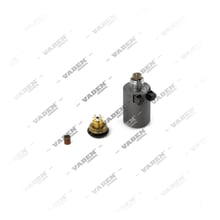
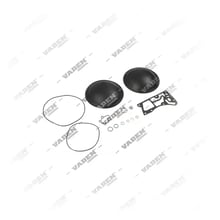
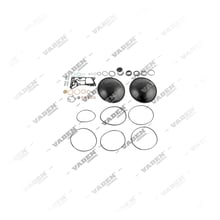
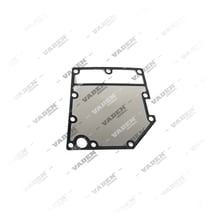
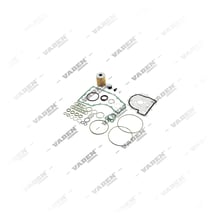
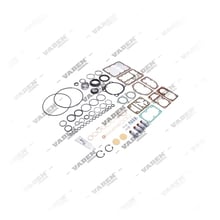
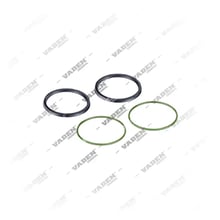
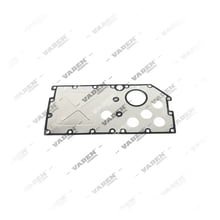
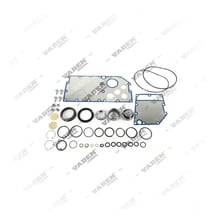
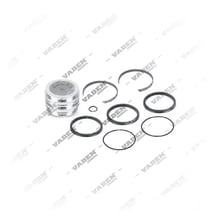
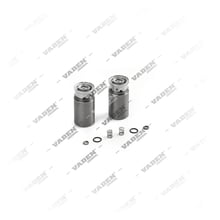
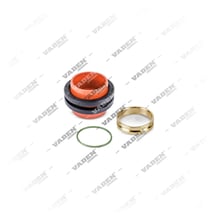
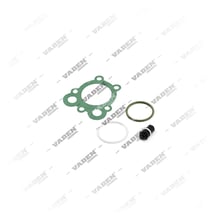
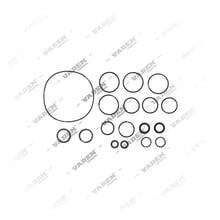
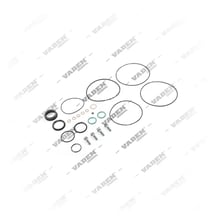
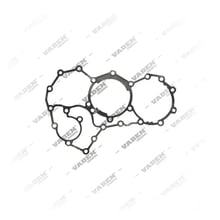
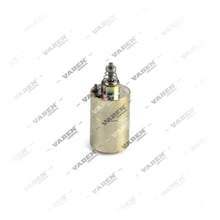
What Is a Retarder Repair Kit?
A Retarder Repair Kit is a complete overhaul set of seals, o-rings, bearings, and sealing elements used to service the retarder — the auxiliary braking system integrated into the transmission housing of heavy commercial vehicles. The retarder works on a hydrodynamic or electromagnetic principle to slow the vehicle alongside the main braking system, preventing the brake linings from overheating on long downhill descents. In the field, this group is also known as a "retarder overhaul kit" or "auxiliary brake repair kit." Because the retarder unit is mounted directly on the transmission housing, it can develop oil leakage, worn o-rings, and bearing play over time; in these cases, repairing it with a Retarder Repair Kit is far more efficient than replacing the complete unit. VADEN ORIGINAL retarder repair kits are manufactured to be compatible with the transmission-integrated retarder systems used on heavy trucks and buses from brands such as Mercedes-Benz, MAN, Scania, Volvo, and DAF.
How Does a Retarder Repair Kit Work?
The retarder slows the vehicle by converting rotational energy into heat, using hydrodynamic resistance or an electromagnetic field created between a rotor connected to the transmission output shaft and a fixed stator. When the driver engages the retarder lever or applies light brake pressure, the system forces transmission oil into the rotor-stator gap; the resulting resistance progressively slows the vehicle via the torque transmitted to the wheels. The components inside the repair kit keep this working principle running properly: the o-rings and seals prevent oil leakage, the bearings let the rotor shaft turn without vibration, and the gaskets prevent pressure loss at the housing mating surfaces. Wear in any single sealing element reduces retarder efficiency and causes the transmission oil level to drop.
Retarder Repair Kit Technical Specifications
Retarder repair kits are manufactured in different dimensions and material combinations depending on the transmission manufacturer and retarder type. Material selection is determined so that the components can withstand the high temperature and pressure fluctuations the retarder oil is exposed to. The transmission model, retarder type, and housing revision number should be used as the compatibility criteria; two kits that look similar may differ in inner diameter or gasket thickness. The vehicle's and transmission's current service manual should always be the reference for tightening torque and assembly tolerances, since values can vary by manufacturer and model year.
- Sealing Material: High-temperature-resistant NBR- or FKM-based o-rings and seals.
- Bearing Type: Needle bearing or ball bearing groups, depending on the application.
- Operating Temperature: Resistance to the rising oil temperature during extended brake use.
- Compatibility Record: Matched according to transmission type code, retarder type, and housing revision number.
Retarder Repair Kit Types and Subgroups
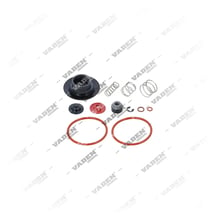
- Complete Overhaul Kit: A comprehensive set containing all bearings, seals, o-rings, and housing gaskets, used for full-scope repairs.
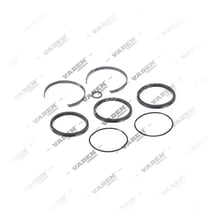
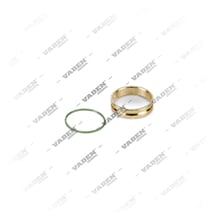
- O-Ring and Seal Set: Covers only the sealing elements; offers a quick and economical solution for minor oil leaks.
- Bearing Kit: Contains the needle or ball bearings that support the rotor shaft; used for noise and vibration complaints.
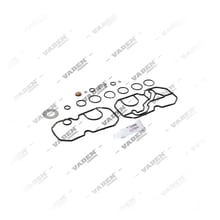
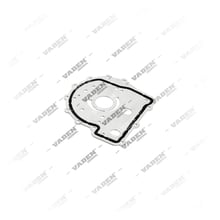
- Housing Gasket Set: Covers the mating gaskets between the transmission housing and the retarder cover.
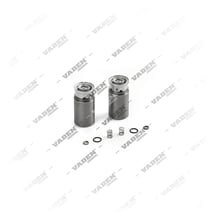
- Piston and Valve Sealing Kit: Contains the specific sealing elements used in retarder models equipped with a pressure control valve and piston groups.
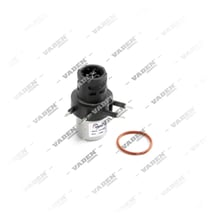
- Electrical Connection and Sensor Gaskets: Ensures the sealing of cable feed-throughs and sensors on electromagnetic retarder systems.
How to Choose the Right Retarder Repair Kit
Choosing the correct retarder repair kit requires evaluating the transmission model, retarder type, and complaint type together. The table below summarizes the key selection criteria.
Retarder Repair Kit Selection Criteria| Criterion | Description |
|---|
| Transmission Model | Since the retarder is integrated into the transmission housing, kit selection must be based on the transmission type code |
| Retarder Type | Internal components and sealing elements differ depending on whether the system is hydrodynamic or electromagnetic |
| Complaint Type | The kit or subgroup is chosen based on oil leakage, noise/vibration, or insufficient braking effect |
| Material Class | High-temperature-resistant FKM-based gaskets should be preferred for extended downhill use |
| OEM Reference Number | Cross-check against the part number of Wabco, Knorr-Bremse, or the relevant transmission manufacturer |
| Vehicle Application | Gasket dimensions may vary depending on truck, tractor, or bus housing variants |
Retarder Repair Kit Maintenance and Points to Consider
- Check the Transmission Oil Level: Since the retarder shares the same oil circuit, a low level damages both the transmission and the retarder.
- Clean the Surfaces Before Installation: The new gasket should never be fitted before old gasket residue has been fully removed.
- Follow the Tightening Torque: Cover bolts should be tightened gradually and in a crosswise pattern according to the manufacturer's manual.
- Install the Bearings in the Correct Direction: Bearings fitted the wrong way round cause premature wear and noise.
- Lubricate the Sealing Elements: O-rings and seals should be lubricated before assembly to prevent installation damage.
- Confirm with a Test Drive: Check for leaks and abnormal noise after the repair is complete.
Common Retarder Faults and Solutions
- Oil Leaking from the Transmission Housing: Worn housing gasket or hardened o-rings; replace the complete gasket set and o-rings.
- Abnormal Noise When the Retarder Engages: Worn bearing or damaged rotor bearing seat; replace the bearing kit and check the rotor clearance.
- Insufficient Braking Effect: Low oil level or internal seal loss; top up the oil level and renew the piston and valve sealing kit.
- Retarder Warning Light Comes On: Moisture ingress at the electrical connection gaskets or a sensor fault; replace the cable feed-through gaskets and check the sensor connections.
- Overheating Warning: Insufficient cooling circulation or blocked oil channels; clean the oil channels and check the cooling system.
Why Choose VADEN ORIGINAL Retarder Repair Kit?
- Manufactured to OE Dimensions: Bearing, seal, and gasket dimensions are compatible with original transmission specifications.
- High-Temperature-Resistant Material: FKM- and NBR-based sealing elements are manufactured for high-temperature conditions.
- Broad OEM Coverage: A comprehensive product range compatible with retarder systems integrated into Mercedes-Benz, MAN, Scania, Volvo, and DAF transmissions.
- Exported to More Than 100 Countries: VADEN ORIGINAL products are manufactured to international quality standards.
- Cost-Effective Repair: Repairing with the repair kit instead of replacing the complete unit reduces both parts and labor costs.
Conclusion
A Retarder Repair Kit is an economical solution for fleet operators and workshops that want the transmission-integrated auxiliary braking system to keep running reliably. Choosing the correct set for the transmission model and retarder type resolves common problems such as oil leakage, noise, and insufficient braking effect. Timely maintenance with VADEN ORIGINAL quality components protects both braking safety and transmission life.
Frequently Asked Questions (FAQ)
What parts does a retarder repair kit include?
A retarder repair kit consists of sealing and support elements such as o-rings, seals, bearings, and housing gaskets. The scope of the set varies depending on the type of complaint; complete overhaul kits may also include bearing and piston sealing groups.
When should a retarder repair kit be replaced?
The repair kit should be replaced when oil leaks from the transmission housing, abnormal noise occurs when the retarder engages, or the braking effect becomes insufficient. If these symptoms are ignored, the resulting seal loss can also lower the transmission oil level.
How does a retarder repair kit differ from replacing the complete unit?
A retarder repair kit repairs the existing unit by renewing only the worn sealing and support elements; it is more economical than replacing the complete unit in terms of both parts and labor cost. Most fault sources can be resolved by renewing just these elements rather than the whole unit.
Is there a difference between hydrodynamic and electromagnetic retarder repair kits?
Yes, since the two systems operate on different principles, their internal components also differ. In hydrodynamic retarders, rotor-stator sealing is the priority, while in electromagnetic systems, cable feed-through and sensor gaskets are also particularly important.
Which vehicles are VADEN ORIGINAL retarder repair kits compatible with?
VADEN ORIGINAL retarder repair kits are compatible with the transmission-integrated retarder systems used on heavy trucks and buses from brands such as Mercedes-Benz, MAN, Scania, Volvo, and DAF. For the correct selection, it is recommended to confirm the transmission type code and retarder type with technical support.
Related technical guide: Truck Retarder: Faults, Replacement & Maintenance Guide