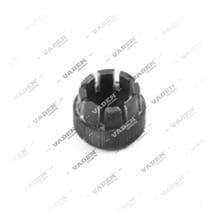
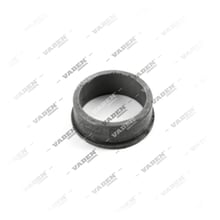
What is a Clutch Fork Bushing?
In the VADEN product range, the Clutch Fork Bushing is manufactured to original dimensions and tolerances. Diameter, length, and inner/outer surface finish vary by vehicle make and transmission type, so selecting the correct reference number is important for the long-term reliability of the system.
What are the functions of the Clutch Fork Bushing?
This small bearing part carries out several tasks at once to keep the clutch fork functioning correctly.
- Bearing support: Allows the clutch fork to pivot on the pin or shaft without friction.
- Clearance control: Keeps the radial clearance between fork and pin limited, preventing vibration and knocking.
- Wear buffer: Absorbs friction itself, protecting the pin and fork housing from premature wear.
- Motion transfer: Helps transmit pedal or actuator force smoothly to the release bearing.
- Quiet operation: Reduces metal-to-metal contact, lowering noise in the clutch linkage.
What are the symptoms of Clutch Fork Bushing failure?
When the bushing wears or breaks, symptoms in the clutch linkage become noticeable quickly.
- Stiffness or sticking of the clutch pedal: A worn bushing prevents the fork from moving smoothly on the pin.
- Delayed gear shifting: Increased clearance delays force transfer to the release bearing, making shifting harder.
- Metallic squeak or knocking noise: Once the bushing wears through, the pin and fork housing come into direct metal contact.
- Clutch not fully disengaging: When the fork axis shifts, insufficient motion reaches the release bearing.
- Visible play: Excessive radial play can be felt on the pin when the fork is moved by hand.
How is the Clutch Fork Bushing inspected?
Inspection consists of simple but careful steps performed once the transmission is separated or the fork removed.
- Visual inspection: Once the fork is removed, the bushing surface is checked for cracks, breakage, excessive wear, or discoloration.
- Clearance measurement: The difference between pin diameter and bushing inner diameter is measured with a dial gauge or micrometer and compared to manufacturer tolerance.
- Hand play test: The fork is moved by hand on the pin to check for abnormal play or stiffness.
- Noise test: The clutch pedal is pressed and released while listening for squeaking or knocking.
- Lubrication check: Dry, hardened, or contaminated grease residue indicates premature bushing wear.
What should be considered during replacement?
Replacing the Clutch Fork Bushing is a small but precision-demanding task; the following points should be observed.
- Correct reference: Select the original-size bushing matching the vehicle make, chassis number, and transmission type.
- Pin/shaft check: The mating pin should also be checked for wear and replaced together if necessary.
- Clean mounting seat: The bushing seat must be cleared of dirt, rust, and old grease residue.
- Lubrication: A thin layer of manufacturer-recommended grease should be applied before installation.
- Install without force: The bushing should be seated squarely with a proper tool without misalignment; hammering directly can cause cracking.
- Clutch adjustment: After replacement, free play and pedal adjustment should be checked against manufacturer values.
How to choose the right Clutch Fork Bushing?
Correct bushing selection depends on both dimensional fit and material quality. The table below summarizes the key criteria to consider.
Clutch Fork Bushing selection criteria| Criterion | Description |
|---|
| Inner diameter | Must fit the pin/shaft outer diameter within tolerance |
| Outer diameter and length | Must match the seat in the fork housing exactly |
| Material | Bronze, sintered metal, or oil-impregnated composite |
| Vehicle/transmission fit | Confirmed via OE reference for chassis and transmission type |
| Surface coating | High-wear-resistance coated options may be preferred |
Maintenance and service life
With regular lubrication and correct installation, the Clutch Fork Bushing can operate trouble-free for years. However, since it is subject to constant friction, gradual wear is normal; visual inspection of the clutch fork and pin should not be skipped during periodic maintenance. Wear accelerates in systems exposed to dust, dirt, and moisture, so keeping the transmission boot or cover intact is important. Average service life varies with driving style, road conditions, and lubrication intervals; following the maintenance intervals in the vehicle's current OE service manual is recommended.
VADEN Clutch Fork Bushing
VADEN manufactures the clutch fork bushing for heavy commercial vehicles to original dimensions and material quality. Selected with the correct reference number, the VADEN bushing supports quiet, precise operation of the clutch linkage and reduces unplanned downtime. It also delivers a cost-effective yet durable solution for fleets and workshops, and when evaluated together with neighboring components such as the clutch fork and release bearing, it contributes to overall system reliability.
Frequently Asked Questions (FAQ)
What does a Clutch Fork Bushing do?
It is a bearing element that lets the clutch fork move friction-free on its pin, transferring motion smoothly to the release bearing and reducing noise.
What happens when a Clutch Fork Bushing wears out?
Symptoms include a stiff clutch pedal, delayed gear shifting, metallic squeaking, and the clutch not fully disengaging.
When should a Clutch Fork Bushing be replaced?
It should be replaced when visual inspection shows cracks or wear, clearance measurement exceeds tolerance, or abnormal noise/stiffness appears at the pedal.
Should the pin be replaced along with the bushing?
Yes, if the pin shows wear or scoring, it should be replaced together, otherwise the new bushing may wear out quickly.
How do I choose the right Clutch Fork Bushing?
Selection should be based on the original-size OE reference matching the vehicle make, chassis number, and transmission type.