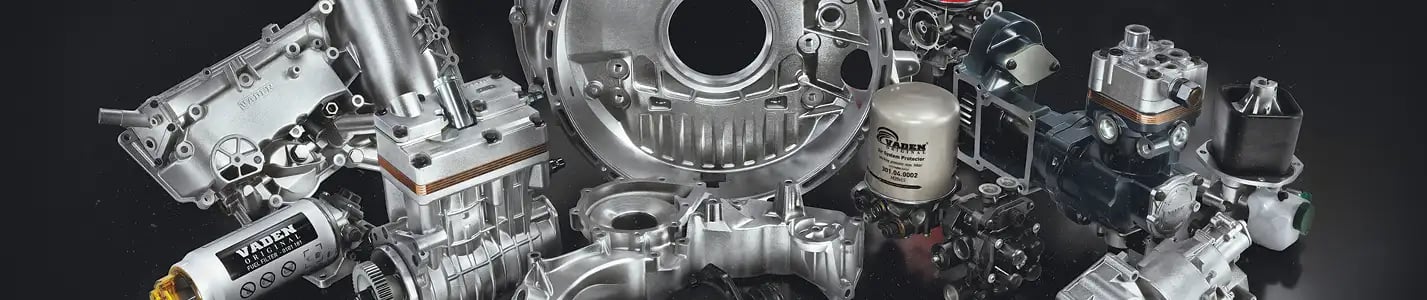
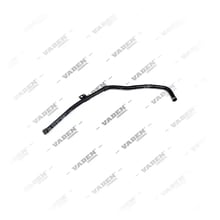
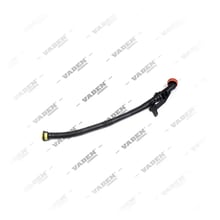
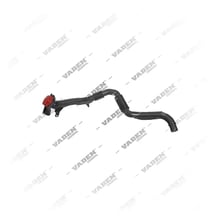
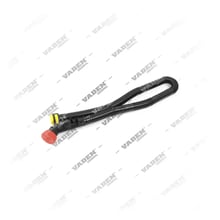
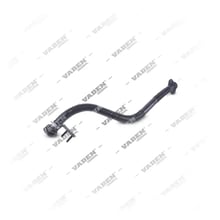
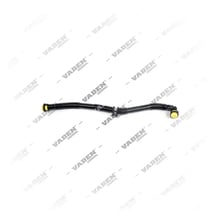
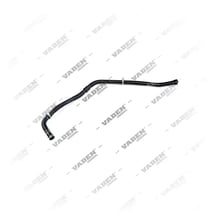
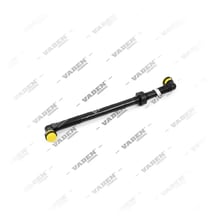
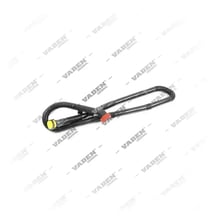
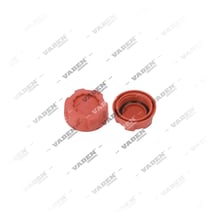
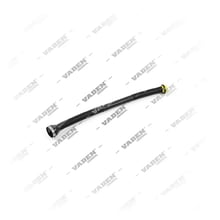
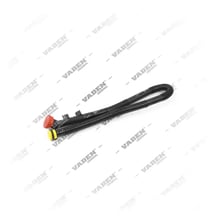
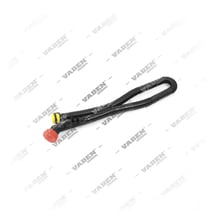
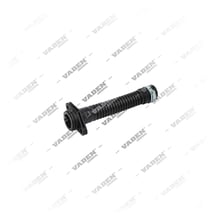
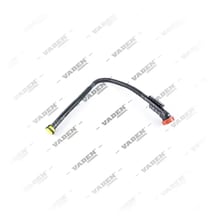
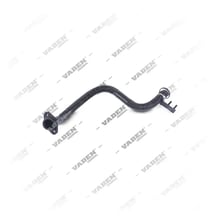
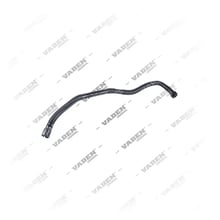
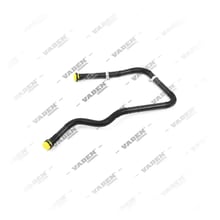
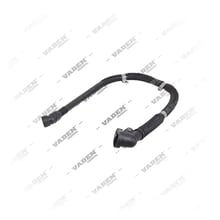
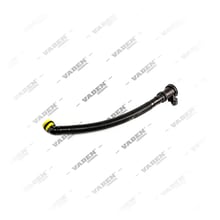
What Is an Oil Sump Pipe?
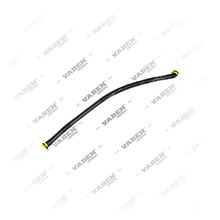
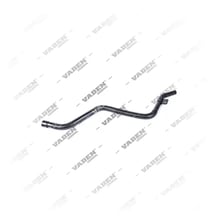
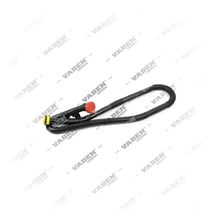
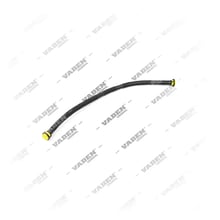
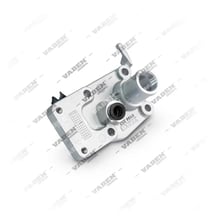
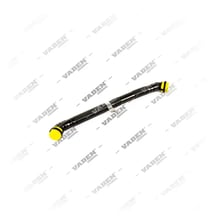
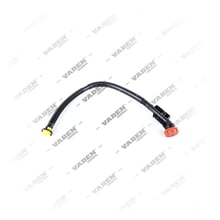
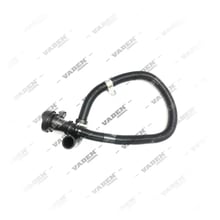
The oil sump pipe is the pipe and line assembly that carries engine oil between the sump and the lubrication circuit in heavy commercial vehicle engines. This assembly runs from the strainer-equipped suction pipe to the turbocharger and air compressor return lines, and from the oil dipstick guide tube to the breather pipes. In the field it also goes by oil suction pipe, sump strainer pipe, oil return pipe, or dipstick guide tube. Sitting below the Engine > Oil Sump chain, this category covers the lines that move the oil, as distinct from the sump pan and gasket groups.
In truck, tractor unit, bus, and heavy-equipment engines these lines work under high temperature and constant vibration. A crack, a loosened fitting, or a blockage in any one drops oil pressure and can turn into serious engine damage fast.
How Does an Oil Sump Pipe Work?
When the engine runs, the oil pump draws oil from the bottom of the sump through the suction pipe and its strainer. Once pressurized, the oil reaches the main galleries, and after doing its job it flows back down to the sump through the return lines. The pipe assembly handles delivery, drainage, and ventilation in this circuit.
- Suction line: carries oil from the sump floor through the strainer to the pump; a proper seal keeps the pump from drawing in air.
- Return line: sends oil from the turbocharger and air compressor back to the sump by free flow.
- Ventilation: vents gas that builds up inside the sump, easing pressure on seals and gaskets.
- Level measurement: the dipstick guide tube keeps readings accurate and leak-tight.
- Vibration management: brackets and clamps secure the pipe and delay fatigue cracks.
Oil Sump Pipe Technical Specifications
Sump pipes are mostly made from drawn steel or stainless steel tube; some return lines pair heat-resistant hose with a metal flange. Wall thickness follows operating pressure and vibration load — inside diameter matters most on suction lines, gradient matters most on return lines.
- Connection type: flanged, union, banjo, or push-fit; hole count and center distance are engine-specific.
- Sealing element: O-ring, copper washer, or gasket; always renew it together with the pipe.
- Geometry: bend angles, length, and strainer height vary with sump depth.
- Temperature resistance: the turbo return line needs a high-temperature-resistant material.
- Compatibility: engine code, sump type, and OE number must be verified together.
Torque and dimension values vary by engine family; treat general ranges as guidance only and follow the vehicle manufacturer's current service manual before installation.
Oil Sump Pipe Types and Subgroups
- Oil suction pipe (with strainer): reaches the sump floor; its mesh keeps coarse dirt out of the oil, and a blockage drops pressure.
- Oil suction pipe (without strainer): used where the strainer is a separate part.
- Turbo oil return pipe: drains oil from the turbocharger back to the sump; a disturbed gradient shows up as leaks at the turbo seals.
- Compressor oil return pipe: returns oil from the air brake compressor to the sump.
- Oil dipstick guide tube: houses the dipstick; once its O-ring fails, it leaks.
- Breather and ventilation pipe: routes crankcase gases; blockage strains the seals.
- Mounting hardware: brackets, clamps, flange bolts, and gaskets for installation.
How to Choose the Right Oil Sump Pipe
The most reliable route starts with the OE number on the part being removed. If it can't be read, work from the engine code, chassis number, and sump type, and compare length, bend angle, and flange hole centers against the old part. Sump depths can differ within the same engine family, so visual resemblance alone is not enough.
Oil Sump Pipe Selection and Compatibility Criteria| Criterion | What to Check | Why It Matters |
|---|
| OE part number | The number stamped on the pipe body | The most precise method for cross-referencing |
| Engine code and sump type | Engine tag, sump depth | Pipe length differs between shallow and deep sumps |
| Pipe function | Suction, turbo return, compressor return, breather | Each line runs at a different pressure and temperature |
| Connection and flange | Hole count, center distance, union thread | Wrong flange breaks the seal |
| Geometry | Length, bend angles, strainer height | Misplaced strainer disrupts suction |
| Sealing kit | O-ring, copper washer, or gasket included | Reused gasket causes leaks |
| Application confirmation | Mercedes-Benz, MAN, Scania, Volvo, DAF, Iveco references | OE reference prevents ordering mistakes |
Oil Sump Pipe Maintenance and What to Watch For
Inspect sump pipes visually at every scheduled maintenance. Whenever the sump is dropped, clean the suction strainer and investigate the source of any metal shavings. Tighten bolts crosswise and in stages, using the vehicle manufacturer's current service manual as the torque reference.
- Always renew the gasket: O-rings, copper washers, and flange gaskets are single-use.
- Don't overdo the sealant: excess sealant can break off and block the strainer.
- Fit brackets and clamps: a missing bracket lets vibration cause fatigue cracking.
- Keep the line clean: blow out a new pipe with compressed air before fitting it.
- Check the turbo return: renew a dented or carbon-caked line whenever the turbo is replaced.
- Watch for debris at oil changes: metal particles in the oil signal early wear.
Common Faults and Fixes
- Low oil pressure warning: usually a blocked suction strainer or air drawn into the line. Clean the strainer and check the pipe body and gasket face.
- Oil leak under the engine: the dipstick guide tube O-ring or flange gasket has likely failed. Clean the area and confirm the leak source.
- Oil seepage from the turbo and blue smoke: the turbo return pipe may be blocked or dented. Clean it, and replace it if deformed.
- Pressure fluctuation at idle: the suction pipe may have shifted or its bracket loosened. Check position and connections.
- Frequent sump seal failure: a blocked breather pipe raises internal pressure. Clean or replace the line.
- Hairline crack in the pipe body: vibration fatigue. Replace the pipe outright rather than weld-repairing it.
Why Choose VADEN ORIGINAL?
- Built to OE dimensions: pipe length, bend angles, and flange centers follow the original geometry.
- Broad OEM matching: common sump pipe references are cross-matched to OE numbers in the catalog.
- Material and surface protection: material and coating are chosen for temperature, vibration, and corrosion conditions.
- Sealing compatibility: gasket and O-ring seats are machined to OE tolerances.
- Exported to 100+ countries: VADEN ORIGINAL is sold and serviced through a network in over a hundred countries.
- Technical support: the team can confirm OE numbers and applications.
Conclusion
The oil sump pipe assembly keeps oil circulating without interruption, and any fault in it feeds straight through to the engine. A blockage in the suction line or a crushed return line can turn into lost oil pressure fast. Selection should weigh the OE number, engine code, sump type, and pipe geometry together.
Frequently Asked Questions (FAQ)
What does an oil sump pipe do?
The oil sump pipe is the line assembly that carries engine oil between the sump and the lubrication circuit. The suction pipe feeds oil to the pump, while the return lines send oil coming from the turbocharger and air compressor back to the sump. These lines must stay sealed and unobstructed to keep oil pressure stable.
What happens when the oil suction pipe gets blocked?
When the strainer at the end of the suction pipe clogs, the pump can no longer draw enough oil and pressure drops. A low-pressure warning appears on the dash, and in severe cases the bearings and turbo suffer damage. The sump should be dropped, the strainer cleaned, and the source of the buildup investigated.
Why should the turbo oil return pipe be replaced along with the turbo?
Because the turbo return line runs at high temperature, carbon and residue build up on its inner surface. Fitting an old line to a new turbo slows oil drainage and starts a leak at the turbo seals. For this reason, renewing the return pipe alongside the turbocharger is recommended.
How do I identify the correct oil sump pipe?
The most reliable method is to use the OE number printed on the part being removed. If the number is unreadable, compare the engine code, sump type, pipe length, bend angles, and flange hole centers against the old part. Because sump depths can vary within the same engine family, visual similarity alone should not be trusted.
What torque value applies when installing a sump pipe?
Torque depends on the engine family, bolt diameter, and gasket type, so no single general figure can be given. Bolts should be tightened crosswise and in stages, with the vehicle manufacturer's current service manual as the authoritative torque reference. The gasket and O-ring must be renewed at every installation.
Related technical guide: Truck Oil Pan Group: Faults, Replacement & Maintenance Guide