What is an Engine Oil Pan Drain Plug?
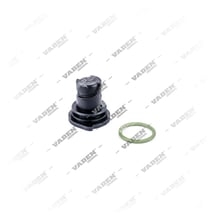
This plug is a simple sealing element that screws into the drain hole at the lowest point of the engine oil pan, keeping oil inside the pan without leaking while the engine runs. On some models the plug has a magnetic design; this way metal shavings accumulated in engine oil collect on the plug and are captured before reaching the oil pump and filter. Plug diameter and thread type are specific to the engine family and designed to be compatible with the pan material (aluminum or cast iron).
What are the functions of an Engine Oil Pan Drain Plug?
Despite its small size, the plug performs several important functions for the reliability of the engine's lubrication system.
- Sealing: Fully seals the pan drain hole, preventing engine oil from leaking out.
- Service convenience: Provides an easily accessible drain point that can be quickly removed and reinstalled during periodic oil changes.
- Metal particle capture: Magnetic-type plugs help protect the lubrication system by capturing wear-related metal shavings accumulated in the oil.
- Pressure resistance: Maintains its seal against pressure fluctuations occurring inside the pan while the engine runs.
- Structural protection: Protects the threaded hole in the pan housing against impact and wear.
What are the symptoms of Engine Oil Pan Drain Plug failure?
The most obvious sign when the plug fails is an oil stain or drip forming under the engine and in the parking area. If the plug thread or gasket seat wears, a continuous small amount of leakage occurs, which over time leads to an unexpected drop in engine oil level. If the plug is left loose or tightened with incorrect torque, vibration can cause it to loosen further over time, increasing leakage. On overtightened plugs, the thread structure can be damaged or the pan housing can crack, a serious failure that can lead to significant oil loss and engine damage.
How is the Engine Oil Pan Drain Plug checked?
For inspection, the underside of the engine is visually examined for oil buildup or leakage traces around the plug. The plug's thread structure is checked visually and by hand for wear, crushing, or deformation. On magnetic-type plugs, the amount of metal shavings accumulated on it can be examined for indirect information about internal engine wear condition; an excessive amount of metal shavings can indicate a serious internal wear problem. At every oil change the plug and pan threaded hole should be cleaned, and if the thread is damaged, the plug or, if necessary, the pan should be reviewed.
What should be considered during replacement?
During an oil change, having the engine oil warm (not cold, not overly hot) before removing the plug eases drainage. The gasket or sealing washer must always be renewed when reinstalling the plug; a reused gasket no longer guarantees sealing. The plug must be tightened to the torque value specified by the manufacturer; overtightening can damage the thread structure or the pan housing, while insufficient tightening leads to leakage. On magnetic-type plugs, metal shavings should be cleaned off before installation.
Engine Oil Pan Drain Plug technical reference values| Parameter | General range | Note |
|---|
| Plug tightening torque | 25 - 45 Nm | Refer to the vehicle's current OE service manual |
| Thread diameter | M14 - M18 | Varies by engine family |
| Gasket/sealing washer | Single-use, renewed at every change | Copper or aluminum sealing washer common |
| Inspection interval | At every oil change | Visual leak check recommended |
How to choose an Engine Oil Pan Drain Plug?
The first criterion in selection is exact fit to the engine model and pan housing material; plug diameter and thread type vary by engine family, and an incorrect thread type can damage the pan thread. If a magnetic feature is desired, a plug with magnetic strength matching the original specification should be chosen. The material being resistant to hot oil and repeated removal-installation cycles ensures the thread structure remains durable over the long term. Parts matching the OE reference number with traceable quality documentation should be preferred over competing aftermarket brands.
Maintenance and service life
Plug service life depends on being tightened to the correct torque value at every oil change and the gasket/sealing washer being renewed regularly. Repeated overtightening or loose installation wears down the thread structure over time, which can lead to damage requiring repair in the pan threaded hole. Under proper maintenance conditions, the plug can function trouble-free together with the pan housing throughout the engine's general service life, i.e. 300,000 - 500,000 km and beyond.
VADEN Engine Oil Pan Drain Plug
VADEN applies a manufacturing standard exactly matching OE thread structure and torque values for oil pan drain plugs it produces for heavy-duty commercial vehicle engines. The product range covers plugs in diameters and magnetic features specific to different engine families, offering workshops a reliable and easily sourced solution.
Frequently Asked Questions (FAQ)
What does an oil pan drain plug do?
It seals the drain hole at the lowest point of the oil pan, keeping oil inside the pan while the engine runs.
What happens if the plug leaks?
An oil stain or drip appears under the engine, and over time engine oil level drops unexpectedly; if neglected, the engine can be damaged by oil starvation.
Should the gasket be replaced every time?
Yes, the gasket or sealing washer must always be renewed whenever the plug is removed and reinstalled; a reused gasket does not guarantee sealing.
Why should the plug not be overtightened?
Overtightening can damage the thread structure or the pan housing, leading to serious damage requiring repair; the manufacturer's specified torque value should be used.
What is the purpose of a magnetic plug?
It captures wear-related metal shavings accumulated in engine oil, preventing them from reaching the oil pump and filter, and also provides information about internal engine wear condition.