What Is an Oil Pump Pressure Relief Valve?
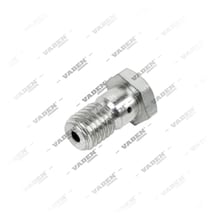
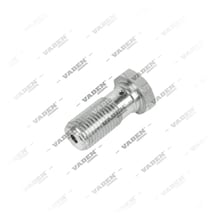
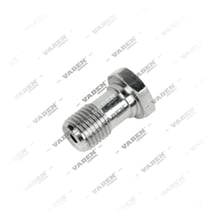
The oil pump pressure relief valve is a small but critical safety component in the lubrication circuit of heavy commercial vehicle engines, keeping the pressure generated by the oil pump within safe limits. In the field it also goes by names such as oil pressure relief valve, oil pump regulator valve, or bypass valve. It is typically mounted on the oil pump housing itself or on the pump outlet line, and consists of a ball or piston, a spring, and a housing. As engine speed increases, the oil pump generates a higher oil flow rate and system pressure rises; once this pressure exceeds a pre-set threshold, the relief valve opens and redirects the excess oil back to the suction side or the oil pan (sump). This protects the oil filter, oil cooler, seals, and gasket surfaces from excessive pressure. Positioned in the Engine > Oil Pump > Pressure Relief Valve chain, this part is a standalone component focused purely on pressure regulation, distinct from the complete oil pump unit (kat964) and the pump gear (kat228).
How Does an Oil Pump Pressure Relief Valve Work?
The operating principle is mechanical and spring-based. The pressure at the oil pump outlet pushes the ball or piston inside the valve against the spring force. The moment the pressure exceeds the spring's pre-set resistance, the valve opens and the excess oil returns to the suction channel or directly to the oil pan, keeping system pressure steady within the specified range. When engine speed drops or pressure returns to normal, the spring closes the valve again and the pump redirects its full output back to the main lubrication line.
- Pressure Limiting: Opens once oil pressure exceeds the set threshold, protecting the system from excessive pressure.
- Flow Diversion: Balances pressure in the main line by routing excess oil back to the suction channel or the oil pan.
- Fast Response: Opens and closes within seconds every time the engine shifts from idle to high speed, keeping pressure constant.
- Component Protection: Shields the oil filter gasket, cooler gaskets, and crankshaft seals from excessive pressure.
Oil Pump Pressure Relief Valve Technical Specifications
Pressure relief valves are manufactured with different spring stiffness, opening pressure, and housing dimensions depending on the engine manufacturer and pump model. The opening pressure is generally set within a range defined by the manufacturer and varies according to the engine's lubrication circuit design, oil viscosity, and operating temperature. For exact opening pressure, torque, or tolerance values, always consult the vehicle's current service manual, as a generic figure can be misleading. The valve housing is typically made from cast steel or an aluminum alloy, with the ball or piston surfaces precision-ground to ensure a fully sealed fit. The spring material is selected from high-fatigue-resistance steel capable of withstanding continuous pressure cycling. Compatibility criteria to consider include the pump model, valve housing diameter, and mounting orientation (vertical/horizontal inlet); a valve with the wrong spring stiffness will either open too early and drop oil pressure, or open too late and overload the system.
Types and Subcategories of Oil Pump Pressure Relief Valves
- Ball-Type Pressure Relief Valve: Works with a steel ball and spring combination; its simple design makes it the preferred choice in many medium- and heavy-duty engines.
- Piston-Type Pressure Relief Valve: Uses a cylindrical piston, providing more stable flow control than the ball type and commonly found in high-flow pumps.
- Valve Integrated into the Pump Housing: Built into the oil pump housing itself and replaced together with the pump without requiring separate removal.
- Externally Mounted Valve on the Line: Positioned as a separate housing on the pump outlet line; this design is used in certain Mercedes-Benz and MAN engine families.
- Adjustable Pre-Load Valve: Types where spring pre-load can be fine-tuned with a shim or screw, requiring calibration after an overhaul.
How to Choose the Right Oil Pump Pressure Relief Valve?
When selecting the correct part, the engine model, oil pump variant, and valve housing type must all be verified together. Since spring stiffness can vary by production year even within the same engine family, it is recommended to order by referencing the old part or by cross-checking the OEM code. The table below summarizes the key criteria to consider during selection.
Oil Pump Pressure Relief Valve Selection Criteria| Criterion | Why It Matters |
|---|
| Engine Model and Year | Spring stiffness and opening pressure can vary with engine revisions |
| Oil Pump Type | Integrated or external housing design determines correct installation |
| Valve Housing Diameter | An incorrect size causes sealing and fitment problems |
| Spring Pre-Load | Incorrect pre-load causes the valve to open too early or too late |
| OEM Code Match | Cross-checking with Wabco, Knorr-Bremse, or engine manufacturer codes improves accuracy |
Oil Pump Pressure Relief Valve Maintenance and Key Considerations
- Perform a Visual Check at Every Oil Change: Inspect the valve seat and the ball/piston surface for contamination and scoring during routine oil changes.
- Use the Correct Oil Viscosity: Oil outside the manufacturer's recommended viscosity negatively affects the valve's opening behavior and system pressure.
- Verify Spring Orientation During Installation: A reversed spring or ball can completely disable pressure control.
- Keep Sealing Surfaces Clean: Carbon buildup or metal shavings can prevent the ball from seating fully, causing a persistent leak.
- Test Pressure After an Overhaul: Check oil pressure with a gauge at both idle and high engine speed to confirm the valve is functioning correctly.
Common Failures and Solutions
- Low Oil Pressure Warning: Caused by a weakened spring or a valve stuck open; the valve and spring set should be replaced with OEM-grade parts.
- Excessive Oil Pressure at High Speed: Caused by a stuck valve or an incorrect spring choice; the housing should be cleaned and a part with the correct spring stiffness installed.
- Sudden Pressure Spike on Cold Start: Caused by the valve sticking or responding slowly; the ball/piston surface should be inspected and the valve replaced entirely if necessary.
- Leak at the Oil Filter Gasket: Caused by the gasket being overloaded due to excessive pressure; the pressure relief valve should be verified and the filter gasket renewed.
- Intermittent Oil Warning Light: Caused by unstable pressure from dirt buildup in the valve seat; the lubrication circuit should be cleaned and the valve renewed.
Why VADEN ORIGINAL?
- OE Dimensions and Materials: Ball/piston surfaces are precision-machined to ensure a fully sealed fit.
- Broad OEM Match: Covers Mercedes-Benz, MAN, Scania, Volvo, DAF, and Iveco engines compatible with Wabco and Knorr-Bremse systems.
- Durable Spring Material: Selected for fatigue resistance to withstand long-term pressure cycling, with every batch passing quality control.
- Global Reach: Exported to more than 100 countries, giving fleet operators predictable stock availability.
Conclusion
The oil pump pressure relief valve is a small but indispensable part that keeps pressure within safe limits in the engine's lubrication circuit, protecting the oil filter, cooler, and seals. Choosing the correct valve for the engine and pump model, performing regular visual inspections, and testing pressure after an overhaul are the fundamental steps to extending engine life. A pressure relief valve of VADEN ORIGINAL quality delivers stable oil pressure and reliable engine performance under heavy-duty operating conditions.
Frequently Asked Questions (FAQ)
What does an oil pump pressure relief valve do?
The oil pump pressure relief valve keeps the oil pressure, which rises with engine speed, at a pre-set threshold. When pressure exceeds this limit, it redirects excess oil back to the suction side or the oil pan, protecting the oil filter, cooler, and seals from excessive pressure.
What happens when the pressure relief valve fails?
A faulty pressure relief valve can cause low or excessive oil pressure, leaks at the oil filter gasket, and an intermittently flashing oil warning light. If these symptoms appear, the valve and spring set should be inspected and replaced if necessary.
What is the difference between the oil pump pressure relief valve and the complete oil pump?
The oil pump is the complete unit responsible for pumping oil to the engine, while the pressure relief valve is an independent safety component that limits the pressure at the pump's outlet. In most cases the pump continues to operate while only the pressure relief valve wears out and needs replacing.
Which vehicles use a pressure relief valve?
Oil pump pressure relief valves are widely used in heavy commercial vehicle engines with Wabco- and Knorr-Bremse-based lubrication systems, such as Mercedes-Benz, MAN, Scania, Volvo, DAF, and Iveco. The correct part must be confirmed against the engine model and year.
How is oil pressure verified after an overhaul?
With the engine running, oil pressure should be measured with a gauge at both idle and high speed and compared against the range specified by the manufacturer. If pressure falls outside this range, the valve, spring, or mounting orientation should be re-checked.