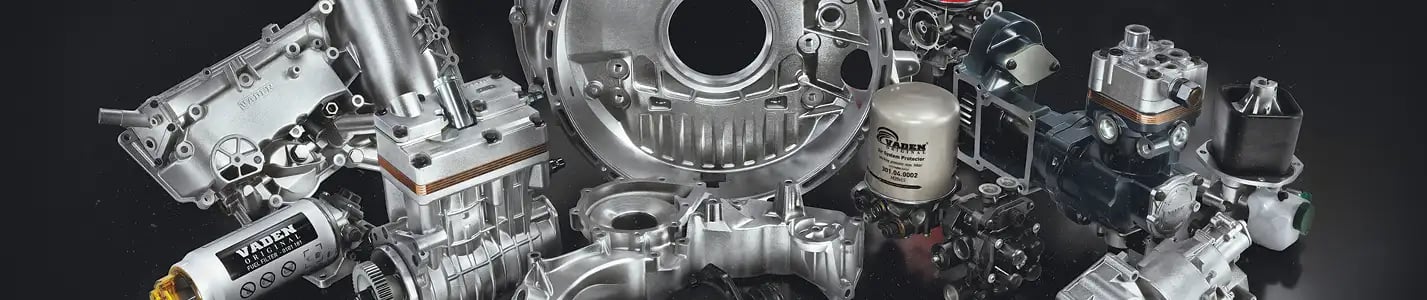
What Is an Oil Pump Gear?
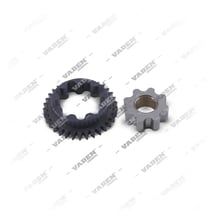
The Oil Pump Gear is the matched gear pair (rotor set) inside a heavy commercial vehicle engine's oil pump that generates the pump's motion. This gear pair converts the rotating drive it receives from the crankshaft or engine block into pressurized oil drawn from the sump. In the field it is sometimes also called the "oil pump rotor," "pump gear pair," or "inner-outer gear set." Forming the heart of the gear-type oil pumps used in trucks, buses, and trailer tractors, this component is the first and most critical link in the engine's lubrication system. When the Oil Pump Gear wears or the tooth clearances widen, the pump can no longer build full pressure, and every moving surface in the engine is exposed to the risk of inadequate lubrication.
How Does an Oil Pump Gear Work?
In gear-type oil pumps, two gears rotate in mesh with each other: the drive gear takes its motion from the engine, while the driven gear rotates in response to it. As the teeth separate from one another, the resulting cavity draws oil from the sump into the gear housing; as the gears keep turning, this oil is trapped between the housing wall and the tooth tips and carried toward the pump outlet, where it is forced out under pressure. This continuous draw-and-compress cycle keeps oil flowing without interruption for as long as the engine runs. The precision of the tooth profile on the Oil Pump Gear and its clearance against the housing directly determine how stable the generated pressure is. Wear on the tooth tips or side faces widens the clearance between the gears and allows part of the oil to leak back before it is pressurized (internal leakage), which shows up as low oil pressure.
Oil Pump Gear Technical Specifications
Because the Oil Pump Gear operates at high rotational speeds under constant contact with oil, it is generally manufactured from heat-treated sintered metal or forged steel, which increases wear resistance on the tooth surfaces. The axial and radial clearances inside the housing are machined to very tight tolerances during production; once these clearances move outside the range specified by the manufacturer, pump efficiency drops rapidly. For exact torque, clearance tolerance, and pressure values, always refer to the vehicle's current service manual.
- Material: Sintered metal or forged steel, surface-hardened.
- Tooth Count and Module: Varies by engine model and determines the pump's flow rate.
- Housing Tolerance: Axial and radial clearance must stay within the tight range specified by the manufacturer.
- Compatibility: The engine code, pump housing number, and tooth count must match exactly.
Oil Pump Gear Types and Subgroups
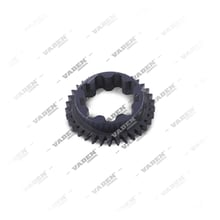
- Drive Gear: The main gear that takes direct drive from the crankshaft or an auxiliary shaft and operates the pump.
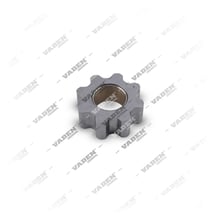
- Driven Gear (Idler Gear): The counterpart gear that meshes with the drive gear and rotates along with it.
- Gerotor-Type Set: Made up of nested inner and outer rotors, preferred in compact pump housings.
- Spur Gear-Type Set: A robust, classic design of two parallel gears, widely used in heavy-duty engines.
- Gear Shaft and Bearing Set: The shaft and bushing components that let the gear rotate inside the housing without axial play.
How to Choose the Right Oil Pump Gear?
When selecting the right part, the engine code, chassis number, and the part number of the existing oil pump should all be verified together; even within the same engine family, tooth count and module can differ by production year. The table below summarizes the key criteria to check during selection.
Oil Pump Gear Selection Criteria| Criterion | Why It Matters |
|---|
| Engine Code / Model | Gear size and installation orientation vary by engine family |
| Pump Housing Number | Needed for the gear set to seat properly in the housing and operate at the correct clearance |
| Tooth Count and Module | Directly determines the pump's flow rate and pressure curve |
| Material and Heat Treatment | Affects wear resistance and the gear's service life |
| Shaft / Bearing Fit | Operating outside the axial clearance tolerance leads to premature wear |
Oil Pump Gear Maintenance and Points to Watch
- Clean the Housing Before Installation: If the pump housing contains metal shavings or old gasket residue, the new gear will wear out prematurely.
- Measure the Tooth Clearance: During installation, check the clearance between the gears and against the housing within the tolerance range specified by the manufacturer.
- Use the Correct Oil and Filter: Dirty oil or the wrong viscosity accelerates wear on the tooth surfaces.
- Check the Oil Sump Periodically: Metal particles found in the sump are an early sign of gear wear.
- Replace the Full Set: Rather than replacing a single gear, replacing the matched gear set together prevents uneven service life.
Common Failures and Solutions
- Low Oil Pressure: Usually caused by wear-related widening of the clearance between the gear and the housing; the gear set and housing should be inspected and replaced if necessary.
- Metallic Noise While the Engine Runs: Points to wear on the gear tooth surfaces or increased shaft-bearing clearance; the pump should be removed and the gear set inspected.
- Oil Pressure Dropping at Idle: Caused by a worn gear set failing to build enough pressure at low engine speed; the gear and pump housing should be evaluated together.
- Metal Particles in the Oil: A sign of wear particles breaking away from the gear or housing surface; the pump's internal components should be inspected along with a filter change.
- Frequent Oil Warning Light: The genuine low pressure detected by the sensor is most often linked to gear wear; the pump's internal components should be checked.
Why VADEN ORIGINAL?
VADEN ORIGINAL Oil Pump Gear sets are manufactured to OE tooth profile and tolerance specifications, giving an exact fit with the original pump housing and reducing the risk of pressure loss.
- Manufactured to OE Dimensions: Tooth profile and housing tolerance match the original pump exactly.
- Broad OEM Coverage: Reference cross-matching for Mercedes-Benz, MAN, Scania, Volvo, DAF, Iveco, and Renault Trucks engines.
- Long Service Life: Heat-treated material construction and strict quality control deliver stable oil pressure.
- Global Reach: Reliable stock availability backed by a manufacturing base that exports to more than 100 countries.
Conclusion
The Oil Pump Gear is the core component that generates the power behind the engine's lubrication system, and its condition directly affects engine life. A gear set manufactured to OE tolerances and matched correctly to the engine code and pump housing number is the safest path to stable oil pressure and a long engine life. VADEN ORIGINAL delivers OEM-quality solutions for this critical component.
Frequently Asked Questions (FAQ)
What does the oil pump gear do?
The oil pump gear is the matched gear pair that generates the power behind the engine's lubrication system. Driven by the crankshaft, it draws oil from the sump, pressurizes it, and delivers uninterrupted oil flow to every moving surface in the engine.
What happens when the oil pump gear wears out?
As the clearance between the gears and the housing widens, the pump can no longer build enough pressure. This shows up as symptoms such as low oil pressure, metallic noise from the engine, dropping pressure at idle, and metal particles appearing in the oil.
What should be checked when replacing an oil pump gear set?
Confirm that the engine code, pump housing number, and tooth count match exactly. Clean the housing before installation and check the tooth and shaft clearances against the tolerance range specified by the manufacturer.
Is it enough to replace just one gear?
No. The drive gear and driven gear are manufactured and matched to each other at the factory. Replacing only one gear causes uneven wear, so replacing the complete gear set together is recommended.
Which engines are VADEN ORIGINAL oil pump gear sets compatible with?
VADEN ORIGINAL gear sets are offered with OEM reference cross-matching for a wide range of heavy commercial vehicle engines, primarily Mercedes-Benz, MAN, Scania, Volvo, DAF, Iveco, and Renault Trucks. Verifying against the engine code before ordering is recommended.