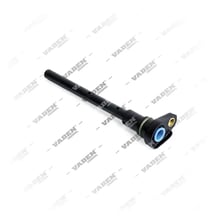
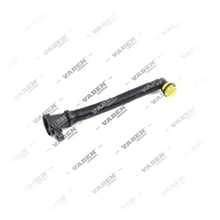
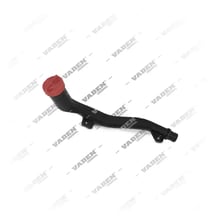
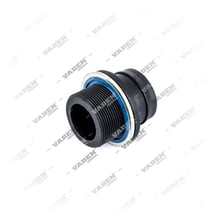
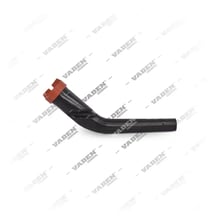
What Is an Oil Pan Pipe?
An oil pan pipe is a metal or multi-layer hose-type oil/gas transfer line that connects the oil pan (sump) to other lubrication and ventilation points on the engine block in heavy commercial vehicle engines. In the field it is sometimes called the oil pan oil line, crankcase breather pipe, or oil return pipe. The oil pan is the reservoir mounted beneath the engine block where engine oil collects; the oil pan pipe physically connects this reservoir to the oil pump, the turbocharger oil return, or the crankcase ventilation system. Without this part, the lubrication circuit or the venting of crankcase gases cannot be completed, so safe, continuous engine operation depends directly on the pipe's integrity. VADEN ORIGINAL oil pan pipe products are manufactured to OE dimensions for Mercedes-Benz, MAN, Scania, Volvo, DAF, Iveco and Renault Trucks heavy-duty engines.
How Does an Oil Pan Pipe Work?
While the engine is running, the oil pump draws oil from the pan and sends it under pressure into the lubrication circuit; part of this suction line is formed by the oil pan pipe. In some applications the oil pan pipe serves as the turbocharger's oil return line, letting the oil used in the turbo drain back into the pan by gravity. In the crankcase ventilation (blow-by) system, the oil pan pipe carries combustion gases that leak past the pistons from the crankcase to the air filter or a separate oil separator unit. This keeps pressure inside the crankcase balanced, prevents excessive pressure buildup, and protects crankshaft seals from premature wear. The pipe's inner diameter, wall thickness and connection geometry are set by the engine manufacturer according to the flow rate of the fluid (oil or gas) and the pressure in the system.
- Oil Transfer: Maintains uninterrupted suction and return flow between the oil pump and the pan.
- Pressure Balancing: Keeps gas pressure in the crankcase at a safe level.
- Seal Integrity: Prevents oil leakage at connection points through gaskets and O-rings.
Oil Pan Pipe Technical Specifications
Depending on its location, an oil pan pipe is made from steel, aluminum, or oil- and heat-resistant reinforced rubber/silicone. Sheet or cast steel is generally preferred for return and suction lines, while flexible, vibration-damping hose-type pipes are used on ventilation lines. Connection ends feature an O-ring, gasket, or flange joint; sealing at these points is critical so the system runs without oil leakage or pressure loss. Inner diameter and wall thickness vary with engine displacement and oil flow rate, so any deviation from original dimensions risks insufficient lubrication or excessive pressure buildup. When choosing an oil pan pipe, the engine code, chassis number and connection type must always be verified; for exact torque and pressure figures, the vehicle's current service manual should always be the reference.
Oil Pan Pipe Types and Subgroups
- Oil Suction Pipe: The suction line running from the pan to the oil pump, working together with the oil strainer (oil screen).
- Oil Return Pipe: The line through which oil from the turbocharger or other lubricated components flows back into the pan.
- Crankcase Ventilation Pipe: Carries blow-by gases from the pan to the air filter or oil separator.
- Metal (Steel/Aluminum) Oil Pan Pipe: Used on fixed lines exposed to high pressure and temperature.
- Flexible Hose-Type Oil Pan Pipe: Preferred at connection points that need to compensate for vibration and movement.
- Flanged Connection Group: Includes the gasket and bolt set that secures the pipe to the pan housing or oil pump.
How to Choose the Right Oil Pan Pipe
The first step in choosing an oil pan pipe is correctly identifying the vehicle's engine code, chassis number, and the pipe's position in the system (suction, return, or ventilation). Even within the same engine family, connection geometry can vary by production year and equipment package, so visual similarity alone is not enough. The table below summarizes the key criteria for selecting an oil pan pipe.
Oil Pan Pipe Selection and Compatibility Criteria| Criterion | Why It Matters |
|---|
| Engine Code / Chassis Number | Connection geometry and inner diameter vary by engine variant |
| Pipe's Position in the System | Suction, return and ventilation lines are made in different materials and dimensions |
| Material Type | Metal pipes withstand high pressure; rubber/silicone lines withstand vibration |
| Connection Ends | O-ring, gasket or flange type must match the port on the pan exactly |
| Sealing Elements | An original gasket/O-ring set prevents oil leakage |
| OEM Reference Number | The most reliable way to verify fitment before ordering |
Oil Pan Pipe Maintenance and Points to Watch
- Carry Out Periodic Visual Checks: During oil changes, inspect the oil pan pipe and its connection points for leaks, cracks and wear.
- Renew Connection Gaskets: Do not reuse old gaskets and O-rings during removal and installation; replace them with new ones in the original dimensions.
- Respect Installation Torque: Overtightening can crack the pipe or flange, while undertightening causes leaks, so follow the manufacturer's torque values.
- Watch Vibration and Friction Points: Make sure flexible hose sections are not rubbing against neighboring parts.
- Confirm the Ventilation Line Is Not Blocked: Check the inner surface of the crankcase ventilation pipe for oil sludge buildup.
Common Faults and Solutions
- Oil Stain Under the Engine: Usually caused by a cracked connection gasket or the pipe itself; requires gasket replacement or pipe renewal.
- Oil Pressure Warning Light Comes On: A blockage or loss of sealing in the oil suction pipe; the suction line and strainer should be checked together.
- Excessive Vapor or Gas Smell from the Pan: The ventilation pipe is blocked or cracked; it should be cleaned or replaced if necessary.
- Fluctuating Oil Pressure at Idle: An air leak in the suction pipe; connection tightness and gasket integrity should be verified.
- Delayed Turbo Oil Return: A partial blockage or kink in the return pipe; the pipe should be removed and its inner surface inspected.
Why VADEN ORIGINAL?
- Manufactured to OE Dimensions: Oil pan pipes are produced faithful to the original inner diameter, wall thickness and connection geometry.
- Broad OEM Matching: Cross-compatibility is provided through reference numbers for Mercedes-Benz, MAN, Scania, Volvo, DAF, Iveco and Renault Trucks engine groups.
- Durable Material Selection: Materials resistant to oil, heat and vibration extend the pipe's service life.
- Exported to Over 100 Countries: A globally proven production standard with consistent quality control.
Conclusion
The oil pan pipe is an unseen yet critical connecting component for the engine's lubrication circuit and crankcase ventilation system. An oil pan pipe made to the correct dimensions from durable material prevents oil leakage, keeps pressure balanced, and supports the engine's long service life. VADEN ORIGINAL oil pan pipe products, built faithfully to OE dimensions, offer a dependable choice for heavy commercial vehicle fleets.
Frequently Asked Questions (FAQ)
What does an oil pan pipe do?
An oil pan pipe is the connecting line that carries oil or gas between the engine's oil pan and the oil pump, the turbocharger oil return, or the crankcase ventilation system. The continuity of the engine's lubrication circuit and crankcase pressure balance depends on this pipe.
How can I tell if an oil pan pipe has failed?
An oil stain under the engine, the oil pressure warning light coming on, an excessive vapor smell from the pan, or fluctuating oil pressure at idle are typical symptoms. In these cases the pipe, gasket and connection points should be checked immediately.
What material is an oil pan pipe made from?
Depending on its location, it is manufactured from steel, aluminum, or oil- and heat-resistant reinforced rubber/silicone. Metal is used on fixed oil lines, while flexible hose-type pipes are preferred at vibration-prone connection points.
Which vehicles is the VADEN ORIGINAL oil pan pipe compatible with?
VADEN ORIGINAL oil pan pipe products are manufactured to OE dimensions for Mercedes-Benz, MAN, Scania, Volvo, DAF, Iveco and Renault Trucks heavy-duty engines. Verifying compatibility using the engine code and chassis number before ordering is recommended.
What should be kept in mind when replacing an oil pan pipe?
Old gaskets and O-rings should not be reused; they should be replaced with new ones in the original dimensions. Installation torque should follow the manufacturer's values, and since overtightening can crack the pipe or flange, the vehicle's current service manual should be the reference for exact torque.