What Is an Oil Pan Gasket?
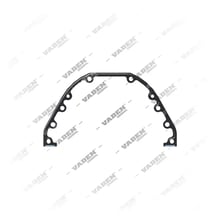
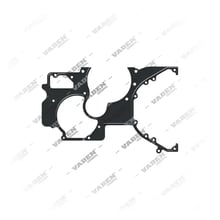
An oil pan gasket is the flat sealing component that closes the joint between the oil pan (crankcase) and the engine block on heavy commercial vehicle engines. Mounted at the bottom of the engine, directly above the oil sump, it keeps engine oil from leaking out. On the shop floor it is also known as an oil pan sealing gasket, oil sump gasket, or lower crankcase gasket. In the diesel engines used on trucks, tractor units, buses, and trailer tractors, it is a critical sealing element that keeps engine oil inside the closed lubrication circuit and preserves lubrication pressure. Sitting in the Engine > Oil Pan > Gasket chain, it is one of the components replaced most often during oil pan assembly and maintenance work.
How Does an Oil Pan Gasket Work?
The oil pan gasket is compressed between the engine block and the oil pan cover during installation, forming a thin but durable barrier between the two metal surfaces. While the engine runs, the oil inside the pan is constantly agitated by the motion of the crankshaft and connecting rods; the gasket has to keep its seal in this dynamic environment despite pressure fluctuations and temperature swings.
- Oil Sealing: Closes the entire joint line between the oil pan and the block, preventing engine oil from leaking out.
- Pressure Balance: Maintains sealing integrity even through pressure changes inside the oil pan, supporting the lubrication system's overall integrity.
- Vibration Damping: Fills the micro gaps that engine vibration and thermal expansion create on the gasket surface.
- Dirt and Moisture Barrier: Keeps dust, moisture, and dirt from the outside environment from entering the oil pan.
- Installation Tolerance: Compensates for minor flatness deviations on the oil pan and block surfaces, establishing a solid joint.
Oil Pan Gasket Technical Specifications
Oil pan gaskets are typically made from multi-layer steel (MLS) or high-temperature-resistant elastomer/cork-composite materials; the choice depends on engine type and oil pan design. Gasket thickness and profile follow the compression allowance the manufacturer sets, which directly affects the clearance between block and oil pan and the pressure distribution across the gasket face. Temperature resistance is kept high enough to withstand swings in oil temperature and ambient conditions. Bolt hole positions, hole count, and the gasket's outer outline must match the engine code with millimeter precision; the wrong size causes leaks or tearing during installation.
Oil Pan Gasket Types and Subgroups
- Multi-Layer Steel (MLS) Oil Pan Gasket: Delivers long service life in high-pressure, high-temperature heavy-duty engines.
- Cork-Composite Oil Pan Gasket: Its flexibility tolerates surface unevenness, making it a common choice for medium-duty engines.
- Rubber-Coated Metal Oil Pan Gasket: Adds extra elasticity that improves sealing under vibration-heavy conditions.
- Type Used with Silicone-Based Liquid Gasket: Applied instead of, or alongside, a conventional gasket in certain oil pan designs.
- Front/Rear Oil Pan Seal Segments: Specially profiled parts that join the front and rear crankshaft seal areas of the oil pan.
How to Choose the Right Oil Pan Gasket?
The first criterion in choosing an oil pan gasket is an exact match to the engine code and oil pan type; gaskets that look identical can have a different hole layout or thickness across different engine families. The table below summarizes the key criteria to weigh during selection.
Oil Pan Gasket Selection Criteria| Criterion | Description |
|---|
| Engine Code Match | The gasket's outer outline and bolt holes must match the vehicle's engine code exactly |
| Material Type | Choose from MLS steel, cork-composite, or rubber-coated options based on engine temperature |
| Compression Allowance | Thickness must match the torque and compression values specified by the manufacturer |
| Oil Pan Type | Gasket profile can vary between aluminum and pressed-steel oil pans |
| Additional Sealing Need | Some oil pans also require a silicone-based liquid sealant alongside the gasket |
Confirming the chassis/engine number against VADEN ORIGINAL catalog data or the OEM reference number before ordering prevents fitting the wrong part and having to redo the removal-and-installation labor.
Oil Pan Gasket Maintenance and Key Considerations
- Clean the Surfaces: Old gasket residue and oil must be fully removed from the block and oil pan surfaces before installation.
- Check for Flatness: Even a new gasket can leak if the oil pan or block surface is warped or pitted.
- Follow the Correct Torque Sequence: Tighten the bolts gradually, in the sequence and to the torque value the manufacturer specifies.
- Treat the Gasket as Single-Use: A removed oil pan gasket should never be reused; fit a new one every time the pan comes off.
- Use the Right Sealing Compound: Where needed, apply a manufacturer-approved silicone sealant thinly and evenly.
- Check It at Oil Changes: Inspect the oil pan gasket visually for leak signs at every scheduled oil change.
Common Faults and Solutions
- Oil Stain Under the Oil Pan: Hardened or cracked gasket; renew the gasket and, if used, the sealing compound.
- Sudden Drop in Engine Oil Level: Leak at the gasket surface or loose bolts; check torque values and replace the gasket if needed.
- Smell of Burnt Oil in the Engine Bay: Leaking oil dripping onto the exhaust manifold or engine block; locate the leak source and replace the gasket.
- Recurring Leak After Oil Pan Removal: Wrong torque sequence or a dirty installation surface; redo the surface cleaning and correct tightening sequence.
- Oil Dripping on the Ground or Service Bay Floor: Gasket fatigue from prolonged vibration; check gasket condition at scheduled maintenance and take preventive action.
Why VADEN ORIGINAL?
- Manufactured to OE Dimensions: Produced with thickness, hole layout, and outer-outline tolerances specific to the engine code.
- Broad OEM Cross-Reference: Offers references suited to Mercedes-Benz, MAN, Scania, Volvo, DAF, Iveco, and Renault Trucks engines.
- Durable Material Selection: High temperature and oil resistance are chosen to target a long service life.
- Extensive Export Network: Production tested under international quality control serves fleets worldwide.
- Service-Friendly Packaging: Clear labeling and precise reference numbers speed up error-free part selection at workshops.
Conclusion
The oil pan gasket is a small but functionally critical part that preserves the seal of the engine's lubrication system. When selected and fitted with the right material, the right size, and the right installation technique, it prevents both oil loss and unnecessary service costs. VADEN ORIGINAL's oil pan gasket range, manufactured true to OE tolerances, contributes to the engine reliability of heavy commercial vehicle fleets. The torque and installation values in the vehicle manufacturer's current service manual should always be treated as authoritative.
Frequently Asked Questions (FAQ)
What does an oil pan gasket do?
An oil pan gasket seals the joint between the engine block and the oil pan. This keeps engine oil inside the closed lubrication circuit, preserves lubrication pressure, and stops dirt or moisture from getting in from outside.
When should an oil pan gasket be replaced?
Check the gasket and replace it if needed whenever you notice an oil stain under the oil pan, a sudden drop in oil level, or the smell of burnt oil in the engine bay. Never reuse a gasket once the oil pan has been removed - always fit a new one.
What materials are oil pan gaskets made from?
Common materials include multi-layer steel (MLS), cork-composite, or rubber-coated metal. Material choice depends on the engine type, operating temperature, and oil pan design.
What should you watch for when installing an oil pan gasket?
Fully clean the block and oil pan surfaces of old gasket residue and oil, check for flatness, and tighten the bolts in the sequence and to the torque value the manufacturer specifies. Where needed, apply a manufacturer-approved sealing compound thinly and evenly.
Which vehicles is a VADEN ORIGINAL oil pan gasket compatible with?
VADEN ORIGINAL oil pan gasket options are offered with references suited to heavy commercial vehicle engines such as Mercedes-Benz, MAN, Scania, Volvo, DAF, Iveco, and Renault Trucks. Confirming the engine code against catalog data before ordering is recommended.