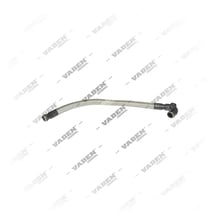
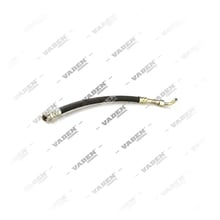
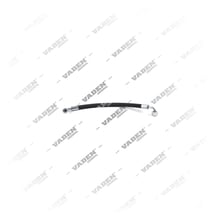
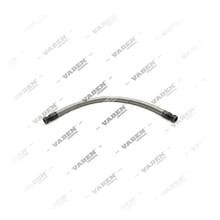
What Is an Oil Cooler Hose?
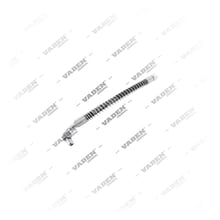
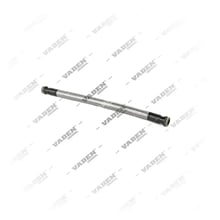
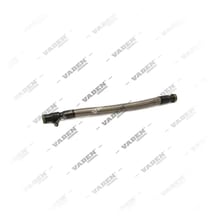
An oil cooler hose is the pressure- and heat-resistant flexible connector that links the transmission to its oil cooler on heavy commercial vehicles. Hot oil circulating inside the transmission is routed through this hose to the oil cooler, where it is brought down to a safe operating temperature before being sent back into the transmission. On the shop floor it is sometimes called a "transmission oil cooler line" or "gearbox cooling hose." The hose has to absorb the vibration and positional offset between the engine block and the transmission housing while keeping the oil circuit completely sealed. Nearly every automatic and manual transmission group fitted to Mercedes-Benz, MAN, Scania, Volvo, DAF and Iveco heavy trucks relies on a hose line of this type.
How Does an Oil Cooler Hose Work?
While the transmission is running, the gears and synchronizer components generate heat through friction, and that heat is transferred into the oil, raising its temperature. The oil cooler hose carries the heated oil out of the transmission sump to the oil cooler, typically mounted at the front or side of the engine. There the oil is brought into contact with air or coolant, reduced to the target operating temperature, then sent back into the transmission through a second hose line. This closed loop keeps the oil's viscosity stable and prevents the lubricating film on gear and bearing surfaces from breaking down. To absorb pressure fluctuations, the hose's inner diameter and wall thickness are engineered to match the flow rates the manufacturer specifies.
Oil Cooler Hose Technical Specifications
Oil cooler hoses are typically a multi-layer assembly: an oil-resistant synthetic rubber inner tube, a textile or steel-wire braid reinforcement layer, and a weather-resistant outer cover. Working pressure varies by vehicle and transmission type but generally sits in the range of a few bar, while temperature resistance is set to comfortably cover the oil's normal operating range. For exact pressure, temperature and inner-diameter values, always consult the current service manual. The fittings at each end - union nuts, clamps or quick-connect couplings - must match the transmission and cooler ports precisely and should be leak-tested after installation.
- Inner Tube (Rubber Liner): The layer in direct contact with the oil, made from oil-resistant synthetic rubber.
- Reinforcement Braid: A textile or steel-wire braid interlayer that gives the hose its pressure resistance.
- Outer Cover: The outer surface layer that protects the hose against heat, abrasion and environmental exposure.
- End Fittings: Union nuts, clamps or quick-connect couplings that seat precisely onto the transmission and cooler ports.
Oil Cooler Hose Types and Subgroups
- Transmission Outlet Hose: The line that carries hot oil from the transmission sump to the cooler.
- Cooler Return Hose: The return line that sends cooled oil back into the transmission.
- Braid-Reinforced Hose: A wire- or textile-braided type preferred on vehicles exposed to high pressure and vibration.
- Quick-Connect Hose: A version fitted with a clip-style end coupling that speeds up removal and installation during service.
- Standard Clamped Hose: A universal-length type secured with a conventional hose clamp, cut to size as needed.
- Heat-Resistant Coated Hose: An additionally protected type used on lines routed close to hot zones in the engine bay.
How to Choose the Right Oil Cooler Hose
Vehicle make, transmission model, the line's position (feed or return) and the original inner diameter and length are the deciding criteria. A hose with the wrong diameter or insufficient pressure rating can cause oil leaks, reduced cooling efficiency and premature transmission wear. The table below summarizes the key criteria to weigh during selection.
Oil Cooler Hose Selection Criteria| Criterion | Description |
|---|
| Vehicle and Transmission Model | Matched to the make and transmission type, such as Mercedes-Benz, MAN, Scania, Volvo, DAF or Iveco |
| Line Direction | The outlet line running from the transmission to the cooler, or the return line coming back from the cooler |
| Inner Diameter and Length | Inner diameter and installed length matching the original part exactly |
| End Fitting Type | Standard clamped end or quick-connect coupling |
| Reinforcement Structure | Textile-braided or steel-wire braided, depending on pressure and vibration levels |
| Temperature Resistance | Rubber compound suited to engine bay and transmission operating temperatures |
Oil Cooler Hose Maintenance and What to Watch For
- Periodic Visual Inspection: Check the hose surface regularly for cracking, bulging or hardening.
- Check the Connection Points: Look for seepage or oil staining around the fittings and clamps.
- Watch the Installation Direction: Connect the feed and return hoses correctly, following the manufacturer's routing diagram.
- Respect Clamp Torque Values: Overtightening damages the hose wall, while a loose clamp leads to leaks.
- Keep the Hose Away from Friction Zones: Use retaining clips to prevent contact with the chassis, exhaust line or other moving or hot components.
- Base Replacement on the Original Dimensions: When replacing, match the cut length and inner diameter against VADEN ORIGINAL reference measurements.
Common Failures and Their Solutions
- Falling Transmission Oil Level: A micro-crack in the hose body or a loosened connection; check the hose and clamp tightness and replace the hose if needed.
- Oil Temperature Warning Light Coming On: Reduced oil flow from a narrowed or blocked hose; remove it to inspect the internal structure and replace if necessary.
- Oil Smell or Staining in the Engine Bay: Worn O-ring or gasket at the end fitting; renew the connection seal and hose end.
- Transmission Shudder or Harsh Gear Shifts: Oil viscosity breakdown due to insufficient cooling; inspect the hose line and the entire cooler circuit as a whole.
- Bulging or Hardening on the Hose Surface: Prolonged exposure to high temperature or a material incompatible with the oil; replace with a heat-resistant VADEN ORIGINAL hose.
Why VADEN ORIGINAL?
- Built to OE Dimensions: Inner diameter, length and end-fitting geometry match the original part exactly.
- Broad OEM Coverage: Cross-references transmission groups across many makes, including Mercedes-Benz, MAN, Scania, Volvo, DAF and Iveco.
- Pressure- and Heat-Resistant Material: Uses a compound that stays flexible under prolonged oil contact and resists cracking and hardening.
- Exported to More Than 100 Countries: Tested across a wide range of climate conditions, delivering the supply quality fleet operators trust.
Conclusion
The oil cooler hose is a critical connector that maintains the transmission's thermal balance and directly affects gear life. Timely replacement with a hose that matches the original dimensions and quality significantly reduces the risk of oil leaks, overheating and transmission failure. VADEN ORIGINAL oil cooler hoses are built to OE dimensions and material standards, giving heavy commercial vehicle fleets a dependable solution.
Frequently Asked Questions (FAQ)
What does an oil cooler hose do?
An oil cooler hose carries oil that has heated up inside the transmission to the oil cooler, then returns the cooled oil back to the transmission. This keeps oil temperature within a safe range and protects the lubricating film on gear and bearing surfaces.
What are the symptoms of a failing oil cooler hose?
A dropping transmission oil level, the oil temperature warning light coming on, an oil smell or staining in the engine bay, and harsh gear shifts are the most common symptoms. In any of these cases, the hose and its connection points should be checked without delay.
How often should the oil cooler hose be replaced?
The exact replacement interval depends on the vehicle and transmission model, so the manufacturer's current service manual should be the reference. That said, if cracking, bulging or hardening is spotted on the surface, replacement is recommended immediately rather than waiting for the scheduled interval.
Which vehicles are VADEN ORIGINAL oil cooler hoses compatible with?
VADEN ORIGINAL oil cooler hoses are manufactured to fit the transmission groups of heavy commercial vehicles from makes such as Mercedes-Benz, MAN, Scania, Volvo, DAF and Iveco. It is recommended to confirm the vehicle and transmission model before ordering.
What should be kept in mind when fitting an oil cooler hose?
The feed and return lines must not be mixed up, clamps should be tightened to the torque value specified by the manufacturer, and the hose should be kept clear of hot or moving components. After installation, run the engine briefly to check for leaks.