What Is a Transmission Oil Cooler and Why Does It Matter for Heavy-Duty Trucks?
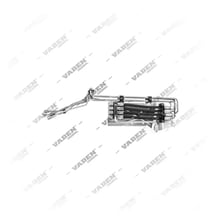
A transmission oil cooler regulates the temperature of the fluid circulating through the gearbox, preventing the transmission from overheating and keeping the whole system running smoothly. As gears, clutches, and the hydraulic circuit generate friction inside a working transmission, the oil cooler draws that heat away, exposing the hot fluid to air or coolant before sending it back into the gearbox. Heavy-duty trucks, buses, and trailers are especially exposed to this risk, since they run under heavy loads and high torque, often on long, uninterrupted routes, so overheated transmission fluid can quickly lead to expensive damage and downtime. It's worth noting that a transmission oil cooler operates on a separate circuit from the engine oil cooler; it only serves the gearbox fluid line and should never be confused with the engine's cooling system.
What Does a Transmission Oil Cooler Do?
- Removes excess heat: As the fluid passes through the cooler, it's exposed to air or coolant that pulls the extra heat out of the system.
- Holds a stable operating temperature: Keeps transmission fluid within its optimal temperature range so it retains its lubricating properties.
- Reduces internal wear: Limits the metal-on-metal wear and fluid breakdown that high heat and lost viscosity cause over time.
- Improves shift quality: Better lubrication and heat control translate into smoother, more precise gear changes.
- Supports fuel efficiency: A transmission running at the right temperature wastes less energy, which helps optimize fuel consumption.
Transmission Oil Cooler Specifications
| Specification | Details |
|---|
| Material | Housing, tube/plate core, and gasket built to withstand high temperature and pressure |
| Compatibility / Vehicle Type | Trucks, tractor units, buses, and trailers; transmission/gearbox oil circuit on heavy-duty diesel vehicles |
| OE Match Approach | Manufactured to OEM cooling capacity and connection dimensions |
| Installation | Mounted to the transmission housing or chassis via bracket; sealed with a gasket — professional installation recommended |
| Service Interval | Visual inspection at scheduled service checks; inspect early if a temperature warning or leak appears |
| Sub-components | Oil lines/hoses, bracket, gasket, housing, cover, fittings, repair kit |
Transmission Oil Cooler Components and Sub-Parts
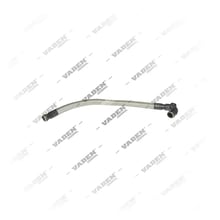
- Oil lines / hoses: Carry fluid from the transmission to the cooler and back again.
- Bracket: Mounts the cooler securely to the transmission housing or chassis, keeping it free of vibration.
- Gasket: Prevents oil leaks and keeps the cooler sealed for trouble-free operation.
- Housing: The main structural shell that shields the cooler core from impact and outside contaminants.
- Cover / fittings: Control the inlet and outlet oil flow for balanced, efficient cooling.
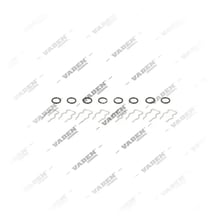
- Repair kit: Contains the gaskets and small fittings needed to service the cooler if a fault develops.
Transmission Oil Cooler Maintenance Tips
- Clean it regularly: Have the cooler cleaned periodically to prevent internal sludge buildup and external dirt accumulation.
- Check for leaks: Inspect fittings, gaskets, and hoses at regular intervals for signs of seepage.
- Monitor the temperature gauge: Keep an eye on transmission temperature readouts and call for service immediately if it spikes.
- Stick to scheduled service: Have qualified technicians run routine checks to catch developing faults early.
- Choose an OE-quality replacement: Fit VADEN ORIGINAL or another OEM-standard part to guarantee correct cooling capacity and fit.
- Leave installation to a professional: Proper sealing on the cooler and repair kit depends on correct workshop installation.
Common Transmission Oil Cooler Problems and Fixes
- Overheating warnings: Cause: a clogged cooler or reduced cooling capacity. Fix: have the cooler inspected and replaced if needed.
- Oil leaks: Cause: worn gaskets or loose fittings. Fix: renew the gasket and bracket with a repair kit.
- Poor shift performance: Cause: sluggish or harsh gear changes, often from overheated fluid. Fix: check the cooler and transmission fluid, replacing either as needed.
- Unusual noises: Cause: an internal blockage or a failing component inside the cooler. Fix: have the unit removed and inspected internally.
- Stiff gear changes: Cause: overheated or contaminated fluid reduces lubrication quality. Fix: clean or replace the cooler and refresh the transmission fluid.
Why Choose VADEN ORIGINAL Transmission Oil Coolers?
- OEM-grade manufacturing: Built to original equipment standards for a precise, reliable fit.
- Durable, dependable design: Delivers strong performance and long service life even under tough load and road conditions.
- Optimal cooling capacity: Keeps transmission oil in its ideal temperature range for maximum performance and efficiency.
- Broad vehicle coverage: A wide product range covering Mercedes-Benz, MAN, Scania, Volvo, DAF, Iveco, Renault, BMC, and Ford heavy-duty models.
- Lower maintenance costs: Helps prevent overheating-related transmission failures, cutting down on costly repairs.
- Technical support: Expert guidance available for installation, maintenance, and troubleshooting.
Frequently Asked Questions (FAQ)
What does a transmission oil cooler do?
A transmission oil cooler regulates the temperature of the fluid in the gearbox, preventing the transmission from overheating. It reduces wear, smooths out gear shifts, and extends the life of the transmission.
What happens if the transmission oil cooler fails?
A failed cooler lets transmission fluid overheat and lose viscosity, which accelerates wear on gears and clutches over time and can lead to serious, expensive transmission damage.
What are the symptoms of a bad transmission oil cooler?
Common warning signs include a transmission temperature alert on the dashboard, oil leaks around the cooler or its fittings, slow or harsh gear shifts, and unusual noises coming from the cooler.
How often should a transmission oil cooler be inspected?
It should be visually checked at every scheduled service. Have it inspected immediately if you notice a temperature warning, a fluid leak, or anything abnormal in how the vehicle shifts gears.
Is the transmission oil cooler the same part as the engine oil cooler?
No. The engine oil cooler cools engine oil, while the transmission oil cooler cools the fluid in the gearbox circuit. They're separate components running on separate oil lines.
Is there a real difference between OE-quality and aftermarket transmission oil coolers?
Yes. Parts built to OEM standards are more durable and fit correctly the first time. Cheaper aftermarket coolers can wear out early, develop leaks, and put the transmission at risk of overheating.
Conclusion
The transmission oil cooler is a critical spare part for performance, reliability, and fuel efficiency on heavy-duty vehicles. Regular maintenance, catching faults early, and choosing a quality replacement all keep a gearbox running longer and trouble-free. VADEN ORIGINAL transmission oil coolers are built to OEM standards with broad vehicle coverage to meet the demands of the heavy-duty trucking industry. Choose VADEN ORIGINAL transmission oil coolers for a more efficient, more reliable drive.