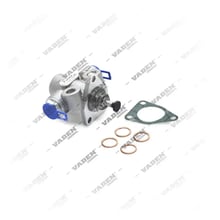
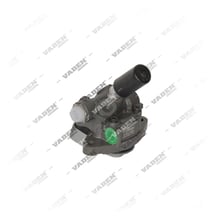
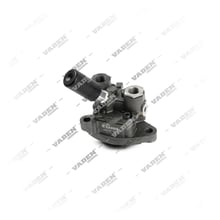
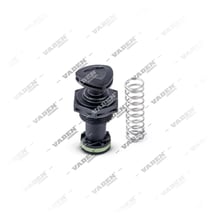
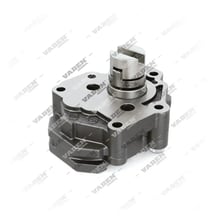
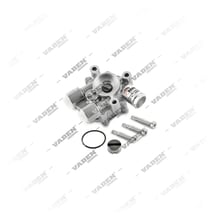
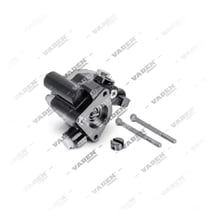
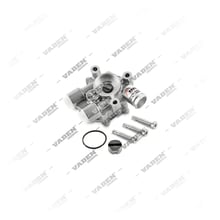
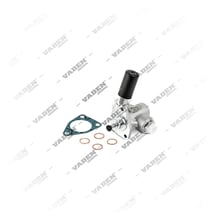
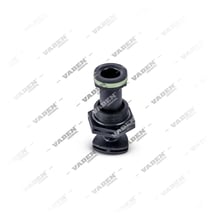
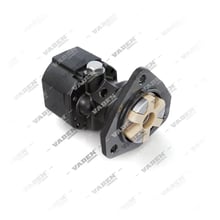
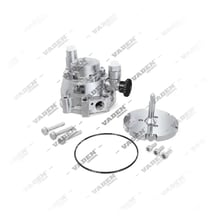
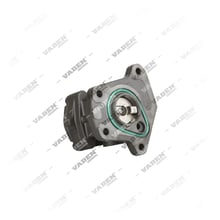
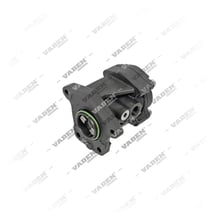
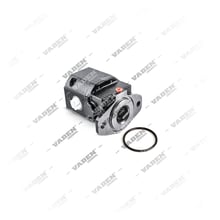
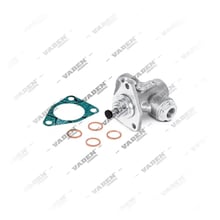
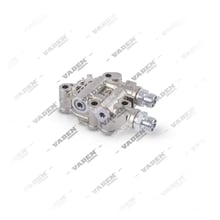
What Is a Feed Pump?
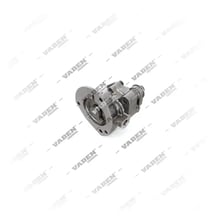
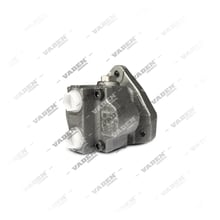
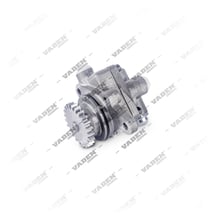
The feed pump is a complete fuel transfer unit that draws diesel fuel from the tank and delivers it to the injection system at low pressure in heavy-duty commercial vehicles. This Fuel System component is also commonly called a "fuel transfer pump," "pre-feed pump," or "lift pump" in the field. This category covers products for replacing a worn or faulty feed pump as a complete unit, bringing together full replacement parts supplied with housing, mechanism, and connecting elements. The purpose is to keep the pressure and flow rate in the fuel line at the level the injection pump requires. Insufficient feed can cause the engine to lose power, run at an irregular idle, and ultimately damage the high-pressure pump beyond repair.
How Does a Feed Pump Work?
A feed pump can be driven mechanically by the engine, or in electric versions, powered by its own motor. Its job is to draw fuel from the tank through the filter assembly and send it along the low-pressure line to the high-pressure pump or common rail unit. It also helps remove air bubbles from the fuel, since air reaching the high-pressure circuit causes irregular injection. Diaphragm, gear, and vane designs offer different flow and pressure curves; the choice should be based on the vehicle's engine displacement and injection system type. Outlet pressure is typically limited by a pressure regulator, preventing excessive load on the high-pressure pump.
Feed Pump Technical Specifications
Complete feed pump units differ from one another based on criteria such as housing material, drive type, flow capacity, and operating pressure range. Housings are typically made from corrosion-resistant alloys on fuel-contact surfaces; gasket and seal materials are chosen to withstand diesel fuel and temperature swings. Pressure and flow values should be checked against the ranges given in the engine manufacturer's service manual, and the vehicle's current technical documentation should always be the reference for exact torque and pressure values.
- Housing Material: Corrosion-resistant alloy ensures long service life on fuel-contact surfaces.
- Drive Type: Can be mechanical (camshaft-driven) or electric (independently motorized).
- Connection Points: Inlet/outlet fittings, electrical connector, and mounting flange must match original dimensions.
- Pressure Regulation: Outlet pressure is limited to protect the high-pressure pump.
Feed Pump Types and Subgroups
- Mechanical Feed Pumps: Driven by the engine camshaft or injection pump; require no additional electrical connection and are common in conventional diesel systems.
- Electric Feed Pumps: Operate via an independent electric motor, providing pre-feed as soon as the ignition is switched on, easing cold starts, and widely used in common rail systems.
- Diaphragm-Type Pumps: Preferred for applications with low-to-medium flow requirements; simple in design with relatively low servicing cost.
- Gear or Vane-Type Pumps: Used in heavy-duty engines requiring high flow and continuous pressure.
- Complete Units With Filter Assembly: Integrated solutions combining the feed pump, pre-filter, and water separator in a single housing.
How to Choose the Right Feed Pump
When purchasing a complete feed pump, the most critical decision is determining whether the fault is minor wear a repair kit can resolve, or a structural failure requiring complete replacement. A repair kit may be sufficient for wear on the diaphragm, seals, or a small valve; however, with a cracked housing, drive mechanism wear, or electric motor failure, replacing the complete unit is the safer, longer-lasting solution. Confirming the product matches the OEM reference number for the vehicle's make, model, and engine code prevents a pump with the wrong pressure or flow value from damaging the injection system.
Feed Pump Selection and Application Criteria| Criterion | Evaluation Point |
|---|
| Drive Type | Mechanical or electric; select the same type as the vehicle's original design |
| Flow and Pressure | Must match the range specified by the engine manufacturer; the vehicle service manual is the reference |
| Connection Dimensions | Inlet/outlet fittings and mounting flange must match original dimensions |
| Fault Scope | Use a repair kit for localized wear; choose a complete unit for structural failure |
| Compatibility | Verify against the OEM reference number and engine code |
| Quality Standard | Must be a certified replacement part manufactured to OEM dimensions |
Feed Pump Maintenance and Key Considerations
- Replace Fuel Filters on Schedule: A clogged filter leads to premature feed pump wear and loss of flow.
- Bleed Air After Installation: Air remaining in the fuel line can cause irregular operation and place additional load on the pump.
- Inspect Electrical Connectors: On electric types, loose or corroded connections can cause the pump to cut out intermittently.
- Tighten Connecting Elements to Specified Torque: Over- or under-tightening can cause leaks at fitting and gasket surfaces; consult the service manual for the exact torque value.
- Watch Fuel Quality: Dirty or water-contaminated fuel shortens the life of the pump's moving parts.
Common Faults and Solutions
- Engine Power Loss or Misfiring: Insufficient fuel feed pressure; check the filters and, if necessary, replace the feed pump as a complete unit.
- Hard Starting or Idle Fluctuation: Air leak or diaphragm wear; tighten line connections and renew worn repair kit parts.
- Fuel Leaking From the Pump: Cracked housing or degraded gasket; requires complete unit replacement.
- Pump Not Running (Electric Type): Electric motor failure or connector problem; check cable connections and replace the unit if needed.
- Premature Wear in the High-Pressure Pump: Persistent low feed pressure; look for the root cause in the feed pump and address it promptly.
Why VADEN ORIGINAL?
- Manufactured to OE Dimensions: Feed pumps are produced with original connection dimensions and pressure values, requiring no extra fitting work.
- Extensive OEM Matching: A product range is offered with reference numbers matching heavy-duty vehicles from Mercedes-Benz, MAN, Scania, Volvo, DAF, Iveco, and Renault Trucks.
- Verified Quality Control: Every unit undergoes flow and pressure testing before being prepared for shipment.
- Exports to More Than 100 Countries: Backed by a supply network trusted by fleet operators and service providers worldwide.
Conclusion
The feed pump is one of the first and most critical links in the diesel fuel system; the injection system cannot function properly without adequate, consistent fuel flow. Making the right call between a repair kit and a complete unit replacement, based on the extent of the fault, both optimizes cost and protects the high-pressure pump from potential damage. VADEN ORIGINAL feed pumps, manufactured to OE dimensions and offering broad vehicle compatibility, provide a reliable solution for heavy-duty commercial vehicle fleets.
Frequently Asked Questions (FAQ)
What does a feed pump do?
The feed pump draws diesel fuel from the tank and delivers it at low pressure to the high-pressure pump or common rail system. This pre-feed provides the steady fuel flow the injection system needs and allows the engine to run smoothly.
What symptoms appear when a feed pump fails?
Engine power loss, misfiring, hard starting, idle fluctuation, and in some cases visible fuel leaking from the pump are the most common symptoms. On electric types, the pump may not run at all, which can prevent the engine from starting.
Should I repair the feed pump with a repair kit or replace it completely?
A repair kit may be enough for wear on small parts such as the diaphragm or seals. However, if there is a cracked housing, drive mechanism failure, or electric motor problem, replacing the complete unit is the safer, longer-lasting solution.
Which vehicles are VADEN ORIGINAL feed pumps compatible with?
VADEN ORIGINAL feed pumps match OEM reference numbers suited to heavy-duty commercial vehicle makes such as Mercedes-Benz, MAN, Scania, Volvo, DAF, Iveco, and Renault Trucks. Verifying compatibility against the engine code before ordering is recommended.
Is there anything to watch for after replacing the feed pump?
Yes, the fuel line must be bled of air after installation. This step should not be skipped, since air remaining in the system can cause irregular operation and place additional load on the pump.
Related technical guide: Feed Pump & Hand Primer: Faults, Replacement, Maintenance