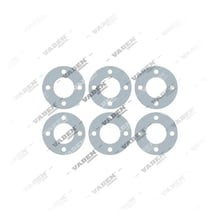
What Is an Injection Pump Coupling?
An injection pump coupling is a power-transmission component in heavy commercial vehicles that carries rotational drive from the engine crankshaft to the fuel injection pump while tolerating slight axial and angular misalignment between the two shafts. Positioned at the pump's drive end, it keeps the pump turning in exact synchronization with engine speed. In the field it is also known as the "pump coupling," "drive coupling," or "flexible coupling." As it transfers drive motion from the gear train or camshaft to the pump, the coupling absorbs shocks and vibration, protecting both the pump and the drive assembly. Without correct timing at this coupling, fuel injection timing is thrown off.
How Does an Injection Pump Coupling Work?
While the engine is running, the camshaft or an auxiliary drive gear turns the injection pump shaft through the coupling. Its flexible elements or rubber/polyurethane inserts absorb the small shaft misalignments between the two components, reducing the lateral load on the pump shaft and its bearings. This flexibility also compensates for micro-deviations arising from manufacturing tolerances between the engine block and pump housing. The coupling further cushions torsional shocks from sudden speed changes, keeping injection timing stable - meaning the correct fuel quantity is injected at the correct crank angle, which is critical for clean combustion and consistent torque.
Injection Pump Coupling Technical Specifications
An injection pump coupling consists of a steel hub, elastomer or polyurethane flexible segments, and connecting bolts. The material withstands the heat, fuel, and oil vapor of the engine compartment, and its hardness (Shore hardness) is chosen to suit the engine's torque characteristics. Diameter and bolt-hole pattern must match the pump drive shaft's OE dimensions exactly, or vibration and premature wear result. Tightening torque varies by manufacturer, so the vehicle's current service manual is the authoritative source for exact torque and tolerance figures. Some coupling types also carry a timing mark, and overlooking it will directly throw off pump timing.
Types and Subgroups of Injection Pump Coupling
- Flexible-Element (Elastomer) Coupling: Dampens vibration with rubber or polyurethane segments; standard on most mechanical and electronic pump applications.
- Rigid Metal Coupling: Used on certain in-line pump systems that require high precision and allow little misalignment tolerance.
- Timing-Marked Coupling: Carries an installation reference point that simplifies pump synchronization.
- Coupling Bolt and Nut Set: The fasteners that secure the coupling to the pump shaft and the drive flange.
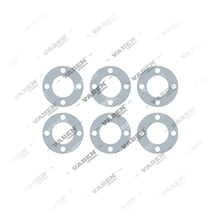
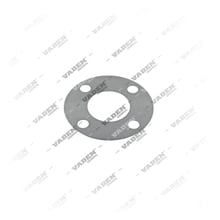
- Coupling Gasket or Seal: The sealing element around the coupling that prevents oil or fuel leaks.
- Spacer Flange and Adapter Coupling: An intermediate part that bridges the dimensional difference between the pump and the drive gear on different engine families.
How to Choose the Right Injection Pump Coupling
Choosing the right coupling starts with confirming the engine code, injection pump type (in-line, rotary, or common-rail high-pressure pump), and OEM part number. Outer diameter, hub bore size, and bolt pattern must match the pump drive end exactly; a mismatch either blocks installation or causes hidden vibration. Elastomer hardness should suit the engine's torque range - too soft causes excessive twisting, too hard loses vibration-damping ability.
- Engine Code and OEM Part Number: Must always be verified before ordering, otherwise there is a risk of dimensional mismatch.
- Pump Type Compatibility: Coupling design differs depending on whether the pump is in-line, rotary, or a common-rail high-pressure unit.
- Presence of a Timing Mark: On marked models, reading the installation reference correctly is essential.
The table below summarizes the key criteria to weigh when selecting a coupling.
Injection Pump Coupling Selection Criteria| Criterion | Description |
|---|
| Pump Type | Coupling design specific to in-line, rotary, or common-rail high-pressure pumps |
| Hub Diameter and Bolt Pattern | Exact match with OE dimensions of the pump shaft and drive flange |
| Elastomer Hardness | Shore hardness grade suited to the engine's torque and speed range |
| Timing Mark | Correct alignment is mandatory on models with an installation reference point |
| Tightening Torque | The value specified in the vehicle manufacturer's current service manual is authoritative |
| Material Durability | A compound resistant to fuel and oil vapor and to engine-compartment heat |
Injection Pump Coupling Maintenance and Key Points to Watch
- Verify the Timing Mark: Align the reference marks on the coupling and the pump during installation, otherwise injection timing will be thrown off.
- Tighten Bolts to the Specified Torque: Under-tightening causes vibration, while over-tightening leads to premature cracking of the elastomer segment.
- Inspect the Elastomer Segments Periodically: Replace any segment showing cracking, hardening, or deformation without delay.
- Check for Fuel and Oil Leaks: Confirm the integrity of the sealing elements around the coupling through regular inspection.
- Check Shaft Alignment: Excessive axial misalignment shortens coupling life; inspect the engine and pump mounting faces.
Common Failures and Their Solutions
- Metallic Knocking or Rattling While the Engine Runs: A worn or cracked elastomer segment; replace the coupling as a complete unit.
- Rough Idling and Vibration: Loosening or misalignment at the coupling connection; check the bolts and retighten to the specified torque.
- Deviation in Engine Running Timing: The timing mark has shifted or the coupling was installed incorrectly; readjust pump timing against the reference mark.
- Fuel or Oil Staining Around the Coupling: The sealing element is damaged; replace the gasket or seal with an original part.
- Sudden Power Loss or Uneven Torque: Complete failure of the coupling segment; renew the coupling and, if fitted, the bolt set as a complete assembly.
Why VADEN ORIGINAL?
- Manufactured to OE Dimensions: Hub diameter, bolt pattern, and elastomer hardness are produced to match the original pump drive dimensions exactly.
- Broad OEM Cross-Reference Range: Covers variants matching Bosch, Wabco, and Knorr-Bremse pump applications on Mercedes-Benz, MAN, Scania, Volvo, DAF, Iveco, and Renault Trucks engines.
- Durable Material Selection: Elastomer compounds resistant to fuel and oil vapor minimize loss of service life.
- Exported to More Than 100 Countries: A quality standard proven across heavy commercial vehicle fleets worldwide.
Conclusion
The injection pump coupling is a small but decisive component for engine performance; correct timing and vibration damping both depend on it staying healthy. Installation that respects the timing mark, correct tightening torque, and periodic inspection of the elastomer segments together guarantee long service life for the pump and engine. The VADEN ORIGINAL coupling range, built to OE tolerances, is a dependable choice for heavy commercial vehicle fleets.
Frequently Asked Questions (FAQ)
What does an injection pump coupling do?
An injection pump coupling transfers drive motion from the engine to the fuel injection pump and damps vibration by tolerating slight shaft misalignment between the two components. This lets the pump turn in exact synchronization with engine speed so fuel is injected with correct timing.
What symptoms appear when the coupling fails?
The most common symptoms are metallic knocking while the engine runs, vibration at idle, deviation in injection timing, and uneven torque output. Fuel or oil staining around the coupling also signals that the sealing element has been damaged.
How often should an injection pump coupling be inspected?
The condition of the elastomer segments should be checked visually at every scheduled engine service, and any segment showing cracking, hardening, or deformation should be replaced without delay. Follow the maintenance intervals specified in the vehicle's current service manual.
Why does the timing mark matter during coupling installation?
The timing mark ensures the coupling is aligned at the correct angular position relative to the pump shaft. If this mark is overlooked, injection timing is thrown off, the engine runs unevenly, and combustion efficiency drops.
Which vehicles is the VADEN ORIGINAL injection pump coupling compatible with?
The VADEN ORIGINAL coupling range includes variants for Bosch, Wabco, and Knorr-Bremse injection pump applications on Mercedes-Benz, MAN, Scania, Volvo, DAF, Iveco, and Renault Trucks heavy commercial vehicles. Compatibility with the engine code and pump type should be verified before ordering.
Related technical guide: Diesel Injection Pump: Faults, Replacement & Maintenance