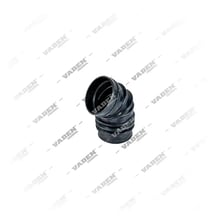
What are the functions of a Cabin Heater Hose?
The hose's primary function is to carry hot coolant safely.
- Heat transfer: Delivers engine coolant temperature to the cabin heater core.
- Circuit integrity: Provides a leak-free connection between the main cooling circuit and the cabin heater branch.
- Pressure resistance: Withstands the cooling system's operating pressure without leaking even under vibration.
- Flexibility: Absorbs movement and vibration differences between the engine and cabin.
- Insulation: Its outer construction reduces the risk of contact with hot surfaces and limits heat loss.
What are the symptoms of a failing Cabin Heater Hose?
Failure usually shows up in cabin comfort and coolant level.
- Weak cabin heating: Narrowing, clogging or air lock in the hose reduces heating efficiency.
- Coolant loss: A crack in the hose or a loose connection causes fluid leakage and a steadily dropping level.
- Moisture or fogging inside the cabin: An internal line leak can cause dampness on the cabin floor and window fogging.
- Swelling or cracking on the hose surface: Aged rubber hardens, cracks or bulges, carrying a risk of bursting.
- Abnormal engine temperature: Large leaks that drop coolant level can also affect engine temperature.
How is a Cabin Heater Hose checked?
Inspection starts visually on a cold engine and continues under pressure with the engine running.
- Visual inspection: Look along the hose for cracks, swelling, discoloration or oily residue.
- Clamp check: Check connection clamp tightness and corrosion condition.
- Leak test: With the engine running, monitor the supply and return lines to the heater core for temperature difference and leakage.
- Flexibility test: Press the hose by hand to check for hardening or brittleness.
- Coolant level: A steady drop in the expansion tank level indicates a leak.
What should be considered during replacement?
Correct routing and sealing are critical during replacement.
- Draining the cooling system: Relieve system pressure while the engine is cold and avoid contact with hot fluid.
- Correct routing: Route the hose exactly as specified by the manufacturer, keeping it clear of hot engine components.
- Clamp torque: Tighten clamps to the manufacturer's specified torque; overtightening can deform the hose.
- Air bleeding: After refilling, bleed air from the venting valve to prevent trapped air.
- Heater valve check: If fitted, verify the cabin heater valve opens and closes correctly.
How to choose the right Cabin Heater Hose?
Selection should match inner diameter, length, bend geometry and temperature/pressure rating to the vehicle. Wrong diameter or stiffness causes premature fatigue or insufficient flow.
Cabin Heater Hose selection criteria| Criterion | Description |
|---|
| Inner diameter | Must exactly match the heater core connection diameter |
| Length and shape | Must follow the correct bend geometry for the engine-to-cabin route |
| Temperature resistance | Must handle the cooling system's maximum operating temperature |
| Pressure resistance | Must withstand system operating pressure under vibration |
| Reference verification | Confirm with OEM number and chassis data |
Maintenance and service life
Being a rubber-based part, the cabin heater hose hardens over time under heat and vibration. Periodic visual inspection, especially before the winter season, is important for early detection of cracks. Keeping coolant at the correct mix ratio and clean helps protect the hose's inner surface from corrosion. Average service life depends on engine bay temperature, vehicle age and maintenance discipline; the vehicle's current OE service manual is authoritative for the exact interval.
VADEN Cabin Heater Hose
VADEN offers cabin heater hoses manufactured to OE tolerances for heavy commercial vehicles. Correct material and dimensional accuracy support reliable operation of the cooling circuit and cabin comfort.
Frequently Asked Questions (FAQ)
What happens if a cabin heater hose bursts?
Coolant drains rapidly, cabin heating stops, and the engine cooling system faces an overheating risk due to fluid loss; the vehicle should be stopped immediately.
Is weak cabin heating always caused by the hose?
No. Heater valve failure, air lock or a thermostat issue can produce similar symptoms; these components should be evaluated together with the hose check.
What type of clamp should be used when replacing the hose?
The clamp type and size specified by the vehicle manufacturer should be used; the wrong clamp can result in insufficient tightening or hose damage.
Is cabin heater hose inspection needed in summer?
Yes. Hose aging progresses regardless of season; regular inspection before winter prevents unexpected failure.
Does the cooling system need to be fully drained to replace the hose?
Draining down to the level of the connected line is usually enough, but the procedure should be done on a cold engine with system pressure relieved.
Related products — Cabin: Heating (view all)