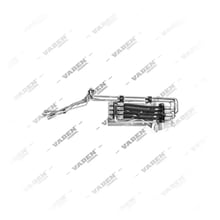
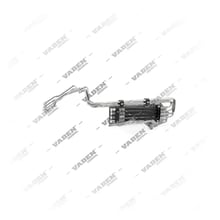
What is a transmission oil cooler pipe?
The transmission oil cooler pipe is a line element manufactured as high-temperature and high-pressure resistant steel or braided flexible hose, with connection fittings at both ends. It is generally installed as a pair of lines (supply and return) between the transmission housing and the cooler unit; on some vehicles it passes through a heat exchanger integrated with the engine cooling system. The fittings on the pipe are generally O-ring sealed or have a conical seating surface, designed to provide repeatable sealing whenever the line is disconnected and reconnected.
What are the functions of a transmission oil cooler pipe?
The pipe's main function is to carry heated transmission oil to the cooler unit and return the cooled oil.
- Oil circulation: Ensures continuous oil flow between the transmission and the cooler.
- Pressure resistance: Built to withstand the oil pressure generated by the transmission pump.
- Vibration isolation: Its flexible sections dampen stresses caused by engine and chassis movement.
- Contributes to temperature control: Supports keeping oil temperature within a safe range, protecting transmission life.
- Pressure stability: Helps maintain uninterrupted oil flow required by the hydraulic control circuit.
What are the symptoms of a transmission oil cooler pipe failure?
When a crack, wear or loose connection develops in the pipeline, oil loss and transmission overheating problems appear.
- Oil leak: Oil dripping visible on the pipe or at the fitting connection.
- Transmission overheating: A temperature warning on the instrument panel resulting from reduced oil circulation.
- Drop in oil level: Unexplained decrease in transmission oil level.
- Visible damage: Bulging, cracks or worn braided wire on the pipe surface.
- Harsh shifting: Stiffness or delay in gear shifts caused by rising oil temperature.
How is a transmission oil cooler pipe inspected?
Inspection is carried out with a visual check and a pressure test during periodic maintenance.
- Visual check: Look for cracks, bulging or friction marks on the pipe surface.
- Connection tightness: Check the fitting connections for leaks or looseness.
- Pressure test: If needed, test the line under pressure to locate the leak point.
- Temperature monitoring: Monitor whether transmission oil temperature stays within the normal operating range using the gauge or a diagnostic tool.
- Friction mark check: Look for wear marks at points where the pipe contacts the chassis or other components.
What should be considered when replacing it?
Correct orientation and sealing are critical when replacing the pipe.
- Correct connection direction: Confirm that the supply and return lines are connected to the correct points.
- Fitting tightening torque: Connection fittings should be tightened to the manufacturer's value; the vehicle's current OE service manual is the reference for the exact value.
- Routing and fastening: The pipe must be secured along the correct route with the clips on the chassis and must not be exposed to friction.
- Oil level check: Check transmission oil level after replacement and top up if needed.
How is the right transmission oil cooler pipe selected?
Selecting the correct pipe requires evaluating the transmission model, fitting type and line length together.
Transmission oil cooler pipe selection criteria| Criterion | Description |
|---|
| Transmission model | A pipe matching the vehicle's transmission type should be selected |
| Fitting type | Thread and fitting form at the connection end must match the original |
| Pressure class | Resistance suitable for the transmission pump's operating pressure is required |
| OE reference | Should be cross-checked against the original equipment number |
| Line length | Pipe length and routing must exactly match the vehicle's chassis |
Maintenance and service life
The transmission oil cooler pipe is a part that should be visually checked during periodic maintenance; it does not require maintenance on its own, but protecting areas exposed to friction extends its service life. Excessive temperature, vibration and friction caused by chassis contact are the main factors that shorten the pipe's service life. On vehicles operating under heavy load for long periods or frequently in hilly or urban traffic, transmission oil can reach higher temperatures, so more frequent inspection of the pipeline is recommended. On vehicles equipped with a retarder, intensive brake use can accelerate transmission oil heating, so the cooler line deserves particular attention on this vehicle group.
VADEN Transmission Oil Cooler Pipe
VADEN offers oil cooler pipes matching OE dimensions and fitting type for heavy commercial vehicle transmissions. Built to withstand high pressure, the products are included in the catalog matched to the connection form specific to each transmission model and cross-referenced with the original part number.
Frequently Asked Questions (FAQ)
What does a transmission oil cooler pipe do
It carries heated transmission oil to the cooler unit and sends the cooled oil back to the transmission.
What symptoms appear when the pipe fails
Oil leaks, transmission overheating and an unexplained drop in oil level are the most common symptoms.
Why can a transmission oil cooler pipe cause overheating
When a crack or blockage reduces oil circulation, the oil cannot be cooled and transmission temperature rises.
What should be checked when replacing the pipe
The supply and return lines must be connected correctly, fittings tightened to the correct torque, and the pipe secured so it is protected from friction.
How do you choose the correct transmission oil cooler pipe
Select a pipe matching the transmission model, fitting type and pressure class, using the correct OE reference number.