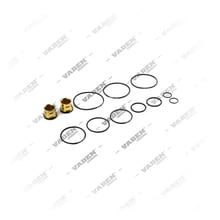
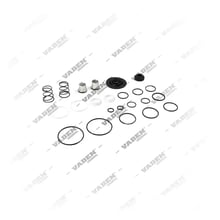
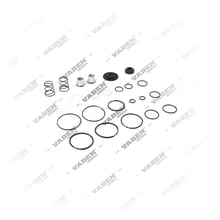
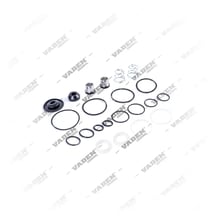
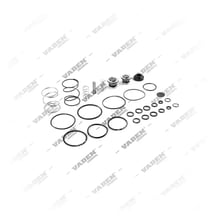
What Is a Brake Pedal Valve Repair Kit?
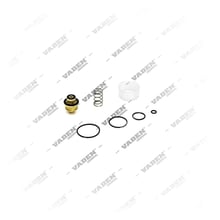
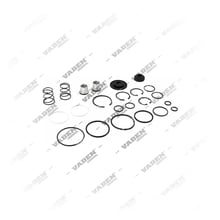
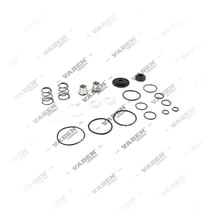
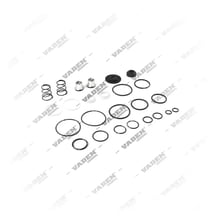
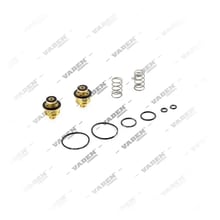
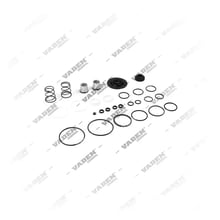
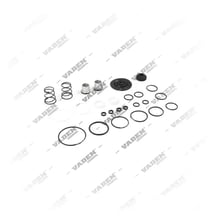
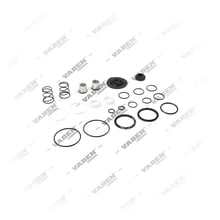
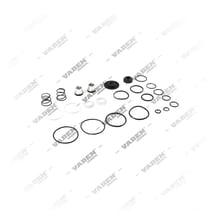
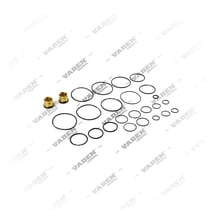
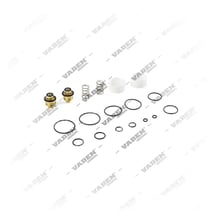
A brake pedal valve repair kit is a set of replacement parts for renewing the foot brake valve that converts pedal movement into a compressed air signal in a heavy commercial vehicle's air brake system. The kit includes seals, balance piston gaskets, valve and spring assemblies, pin bushings, and dust boots. It is also known in the field as a foot brake valve repair kit or pedal valve overhaul set. On most trucks, tractor units, buses, trailers, and heavy machinery, these kits renew the pedal valve instead of requiring full replacement, provided the housing is sound.
How Does a Brake Pedal Valve Repair Kit Work?
The brake pedal valve meters air-tank pressure to the front and rear circuits in proportion to pedal force. Pressing the pedal moves the push pin and balance piston to open the inlet valve; as force stabilizes, the valve settles. Releasing the pedal opens the exhaust passage and drains the brake chambers. The kit keeps all three phases leak-tight and prompt.
- Sealing: O-rings and piston seals separate the two circuits; once worn, the valve leaks air continuously.
- Proportional control: The balance spring and piston set pedal force against outlet pressure.
- Circuit separation: The lower piston and intermediate valve keep the other circuit working if one loses pressure.
- Quick release: A hardened exhaust valve delays brake release and causes the linings to drag.
- Contamination protection: The dust boot and bushing keep moisture and mud out of the mechanism.
Brake Pedal Valve Repair Kit Technical Specifications
Kit quality depends on the elastomer compound and the surface treatment of the metal parts. Since the seals meet oil vapor, moisture, and wide temperature swings, oil-resistant compounds are used. The figures below are typical ranges; for torque, clearance, and pressure, follow the current service manual.
- Material: Oil- and ozone-resistant NBR or HNBR seals, protected spring steel, wear-resistant bushings and pins.
- Operating pressure: Heavy commercial pneumatic circuits typically run at 8 to 12.5 bar.
- Temperature: Compounds stay flexible from minus 40 to plus 80 degrees Celsius under the chassis.
- Sizing logic: The kit is defined by piston diameter and port size; seal diameter can vary by generation within the family.
- Compatibility: Match by OE number and type code; going by vehicle model alone risks a mismatch.
Brake Pedal Valve Repair Kit Types and Subgroups
Kits are grouped by scope and by the valve architecture they target. Some contain only seals, while overhaul sets also cover the piston and valve assemblies. The right group affects repair time and the odds the valve needs opening again.
- Gasket and sealing kits: O-rings, seals, and housing gaskets; the fastest fix when the valve is mechanically sound.
- Complete overhaul kits: Add the balance piston, valve, and springs to the seals; suited to high-mileage valves.
- Piston and valve assemblies: For single faults such as a scored piston or a hardened valve.
- Pedal mechanism kits: Pin, bushing, plate, and dust boot; the choice for pedal free-play complaints.
- Cab- and chassis-mounted types: Valves with an integrated pedal versus a separate housing need different content.
How to Choose the Right Brake Pedal Valve Repair Kit
The right choice becomes clear after a few checks made before removing the valve. Start with the OE number and type code stamped on the housing; without it, the piston diameter may not match. The table below summarizes what to verify before ordering.
Brake Pedal Valve Repair Kit Selection and Compatibility Criteria| Criterion | What to Verify | Why It Matters |
|---|
| OE part number | Number and type code stamped on the housing | Rules out mismatched internal dimensions |
| Valve architecture | Single-circuit or dual-circuit | Sets the number of pistons and valves |
| Mounting type | Cab-floor or chassis-mounted | Boot, pin length, and gasket vary accordingly |
| Vehicle application | Truck, tractor unit, bus, trailer, or heavy machinery | Same series can use a different valve by equipment level |
| Kit scope | Gasket set or complete overhaul set | Incomplete scope means reopening the valve |
| Service data | Torque, clearance, and free travel values | Follow the manufacturer's current service manual |
Brake Pedal Valve Repair Kit Maintenance and Precautions
Installation calls for the right method as much as the right part. Before removing the valve, release system pressure, engage the parking brake, and chock the wheels. Label the ports, and do not return the vehicle to service before a leak test.
- Inspect the housing: Scoring, corrosion, or ovality in the piston bore means the kit will not hold; replace the valve.
- Use the correct lubricant: Assemble elastomer parts only with silicone grease approved for pneumatic brakes.
- Renew every component: Replace every seal even if sound; one old O-ring left in place defeats the repair.
- Follow torque specifications: Overtightening cracks the housing, undertightening causes leaks; follow the service manual.
- Perform a leak test: With the system charged, check the ports and exhaust outlet with the pedal pressed and released.
Common Faults and Solutions
Pedal valve complaints often show up in air consumption before they affect braking. The symptom, cause, and action pairs below help pinpoint the fault.
- Continuous leak, pedal pressed: The balance piston seal or inlet valve is worn; overhaul with a kit that includes the valve assembly.
- Hissing from the exhaust port at rest: The exhaust valve has hardened or fouled; replace the valve set.
- Brakes release late: The balance spring has fatigued or the piston bore has corroded; renew the spring and piston.
- Pedal feels loose or stiff: The pin, bushing, or boot is worn; replace the pedal mechanism kit and adjust free travel.
- Compressor cycling too often: A small, continuous valve leak is dropping system pressure; confirm with a leak test.
Why VADEN ORIGINAL?
VADEN ORIGINAL brake pedal valve repair kits are made to the internal dimensions of the original unit and cross-matched by OE number. The range covers the valve architectures most common in heavy commercial brake systems.
- Built to OE dimensions: Seal cross-sections, spring characteristics, and piston diameters match the original.
- Broad OEM coverage: Covers Wabco- and Knorr-Bremse-type applications on Mercedes-Benz, MAN, Scania, Volvo, DAF, Iveco, Renault Trucks, BMC, and Ford vehicles.
- Durable elastomers: Compounds resistant to oil vapor and wide temperature swings prevent leaks from recurring.
- Complete content: Everything needed for the repair comes in a single package.
- Exported to over 100 countries: Field feedback from varied climates and road conditions feeds back into the product.
Conclusion
The brake pedal valve is the sole control point between the driver and the brakes; even a small leak affects braking performance. On a valve with a sound housing, a timely repair kit is far more economical than complete replacement. Base your selection on the OE number, and never skip the leak test.
Frequently Asked Questions (FAQ)
What does a brake pedal valve repair kit do?
It renews the wear-prone sealing elements, valve, and spring assemblies inside the brake pedal valve, restoring the valve to its original operating characteristics. This resolves complaints such as air leaks, delayed brake release, and altered pedal feel without requiring a complete valve replacement.
Should I repair the valve with a kit or replace it completely?
If the housing, piston bore, and ports are sound, a repair kit is a far more economical solution. If the piston bore shows deep scoring, ovality, or corrosion pitting, sealing cannot be maintained for long, and complete replacement of the valve is the right call.
How can I tell the brake pedal valve has failed?
The most typical signs are a continuous hiss of air with the pedal pressed or released, the compressor cycling on more often than it should, delayed brake release, and a pedal that feels loose or unusually stiff. Comparing front and rear circuit outlet pressures with a gauge confirms the fault.
What information should I rely on when choosing a repair kit?
Base your choice primarily on the OE part number and manufacturer type code stamped on the valve housing. Choosing by vehicle make and model alone can be misleading, since the same model series may use different pedal valves depending on axle configuration and equipment level.
What should be watched during repair kit installation?
Before removal, system pressure must be fully released, the parking brake must be engaged, and the wheels must be chocked. Elastomer parts should only be assembled with a silicone-based grease approved for pneumatic brake systems, and a leak test must follow installation; for torque and clearance values, the vehicle manufacturer's current service manual takes precedence.
Related technical guide: Foot Brake Valve: Faults, Replacement & Maintenance Guide