What is an engine overhaul repair kit?
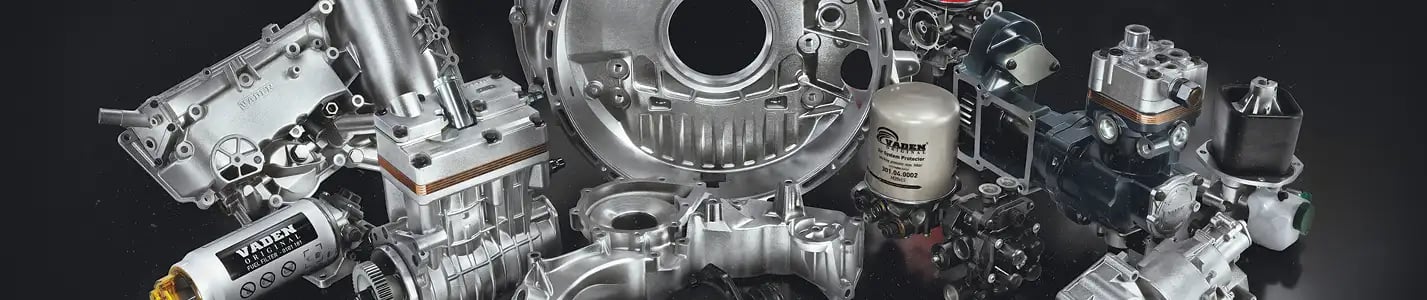
An engine overhaul repair kit is a set of all the gaskets and sealing elements, prepared to factory dimensions, that must be replaced when an engine is disassembled and reassembled. Instead of sourcing parts one by one, it allows all consumable materials matching the relevant engine code to be obtained together. Contents vary by engine type but generally include a cylinder head gasket, an oil sump gasket, o-rings, seals and various washers; some versions also include fastening elements such as nuts and bolts. Kit content is not tied to a single standard; depending on the engine model, some kits may also include additional items such as injector o-rings, turbo connection gaskets or a thermostat gasket, so it is worth checking which components are included, not just the part count, before purchasing.
What are the functions of an engine overhaul repair kit?
The kit's main function is to prevent oil, coolant or pressurized gas from leaking out of the engine sections that were disassembled. It is also designed so the engine passes a fresh sealing test when first started after an overhaul.
- Sealing: Closes the joint surfaces of the oil and cooling circuits.
- Pressure retention: Maintains gasket integrity in pressurized areas such as the cylinder head and sump.
- Standardization: Removes the need to source individual parts one by one in the service workshop.
- Compatibility: Manufactured to original engine dimensions, preserving assembly tolerances.
- Time savings: Shortens overhaul time in the service workshop, returning the vehicle to the fleet faster.
What are the symptoms of an engine overhaul repair kit failure?
If the parts in the kit wear out or are installed incorrectly, symptoms such as oil or water leaks on the engine block, power loss, exhaust smoke and an abnormal rise in engine temperature appear.
- Oil leak: Wetting and dripping at the joints between the engine block and the head.
- Water loss: Unexplained drop in coolant level.
- Compression loss: Power drop caused by cylinder head gasket failure.
- Exhaust smoke: Bluish smoke from oil entering the combustion chamber.
- Rough idle: Irregular idle speed caused by an air leak at the manifold or head gasket.
How is an engine overhaul repair kit inspected?
Inspection before and after overhaul matters for long engine life. It starts with a visual check, followed by pressure and torque checks.
- Visual check: Look for cracks, hardening or deformation on gasket surfaces.
- Tightening torque: Verify that head and sump bolts are tightened in the specified sequence and to the specified value.
- Leak test: Monitor joint surfaces for leaks after the engine is started.
- Pressure test: Confirm gasket integrity in the cooling circuit with a pressurized test.
- Oil level check: Check oil level and color after overhaul to confirm no mixing has occurred.
What should be considered when replacing it?
Replacing an engine overhaul repair kit requires precision; incorrect installation can lead to renewed leaks or engine failure.
- Surface cleanliness: The new gasket must not be installed until old gasket residue is fully removed.
- Sequence and torque: Bolts must be tightened in the sequence and to the value specified by the manufacturer; the vehicle's current OE service manual is the reference for the exact value.
- Full replacement: All parts in the kit should be replaced together; partial use is not recommended.
- Correct kit selection: A kit that does not match the engine code leads to assembly errors.
- Staged tightening: Head bolts should be tightened not in one pass but in the staged torque sequence specified by the manufacturer.
How is the right engine overhaul repair kit selected?
Selecting the correct kit requires evaluating the engine code, production year and overhaul scope together. In the VADEN catalog, kits are listed matched to OE reference numbers.
Engine overhaul repair kit selection criteria| Criterion | Description |
|---|
| Engine code | Must match exactly the code on the vehicle's engine type plate |
| Overhaul scope | Kit content varies with head removal, sump replacement or full overhaul needs |
| Material quality | Gasket material resistant to oil and heat should be preferred |
| OE reference | Should be cross-checked against the original equipment number |
| Package content | Check whether supplementary parts such as extra o-rings or coupling gaskets are included |
Maintenance and service life
Once installed, an engine overhaul repair kit does not need periodic maintenance on its own; its service life runs until the engine's next overhaul. However, checking for leaks during the first runs after installation and periodic visual inspection are recommended. Overheating, incorrect oil use and insufficient tightening torque are the main factors that shorten the kit's service life. Keeping up with regular oil and filter changes also reduces the chemical and thermal load on the gaskets, helping the kit retain its effectiveness longer.
VADEN Engine Overhaul Repair Kit
VADEN supplies overhaul repair kits prepared specifically for the engine code used in heavy commercial vehicles. The products consist of gaskets and sealing elements matching OE dimensions, packaged to shorten overhaul time in service workshops. Each kit in the catalog is cross-referenced with the original part numbers for the relevant engine code.
Frequently Asked Questions (FAQ)
What parts does an engine overhaul repair kit include
Contents vary by engine type; it generally includes a cylinder head gasket, sump gasket, o-rings, seals and various washers.
When should an engine overhaul repair kit be replaced
During engine overhaul, cylinder head removal or leak repair, all disassembled gaskets and sealing elements are renewed together.
Should the kit parts be replaced individually or all together
Replacing all parts in the kit together is recommended; partial use creates a renewed leak risk.
How do you choose the correct engine overhaul repair kit
The code on the vehicle's engine type plate should be used to select a kit matching the correct OE reference number.
What problems can incorrect tightening torque cause
Insufficient or excessive torque can deform the gasket surface and cause oil or water leaks and compression loss; values from the vehicle's current OE service manual should be followed.