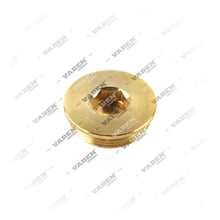
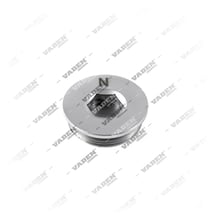
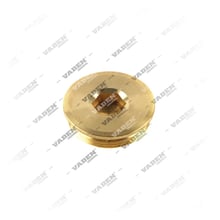
What Is a Cylinder Head Plug?
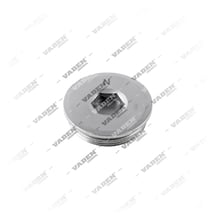
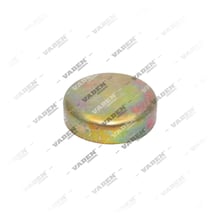
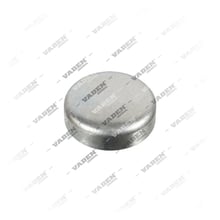
A cylinder head plug is a small but critical sealing component that closes off machined openings on the cylinder head of heavy commercial vehicle engines — passages such as the oil gallery, coolant channel, camshaft bearing bore, and drain channel — from the outside. On the shop floor it is also known as a "core plug," "freeze plug," or "gallery plug." Machining the oil and water passages drilled during production of the engine block is only possible by leaving an opening to the outside; this opening is then closed with a cylinder head plug so that pressurized oil or coolant cannot escape while the engine is running. Mercedes-Benz, MAN, Scania, Volvo, DAF, Iveco, Renault, and BMC heavy-duty engines all use several of these plugs at multiple points on the cylinder head. The integrity of the cylinder head plug has a direct effect on lubrication pressure and on how well the cooling circuit stays sealed.
How Does a Cylinder Head Plug Work?
A cylinder head plug is fitted into the mouth of the relevant passage by press fit or by a threaded connection, and it stops the fluid inside the passage — oil or coolant — from escaping. On press-fit plugs, the plug diameter is manufactured slightly larger than the passage diameter; the resulting interference fit holds its seal even at engine operating temperature. Threaded plugs perform the same job when fitted with a gasket or sealing compound and tightened to a specified torque. The oil galleries inside the cylinder head are pressurized to lubricate the camshaft and valve mechanism, while the coolant passages carry a continuous flow of fluid to prevent overheating. The cylinder head plug cuts off both of these circuits from contact with the outside environment and keeps system pressure reaching its intended points without loss. A plug that loosens or cracks results in an oil or coolant leak.
Cylinder Head Plug Technical Specifications
Cylinder head plugs are generally manufactured from steel, brass, or aluminum alloy; the choice of material depends on which passage — oil, water, or a dry cavity — the plug will be used in. Since compatibility can vary not only by diameter and depth but also by engine code and cylinder head version, verification before ordering is important.
- Dimensional Tolerance: On press-fit plugs, the diameter must match the value set by the engine manufacturer to within a few hundredths of a millimeter.
- Thread and Torque: Thread size and tightening torque on threaded plugs differ by manufacturer; the vehicle's current service manual should always be the reference.
- Coating: Coolant passage plugs need a corrosion-resistant coating to withstand continuous contact with the antifreeze-water mixture.
- Pressure Resistance: Oil gallery plugs are sized to withstand oil pressures that range from a few bar up to several tens of bar, depending on engine type.
- Surface Quality: The contact surface with the passage mouth must be smooth, free of burrs or deformation that could compromise the seal.
Cylinder Head Plug Types and Subgroups
- Press-Fit (Core) Type: The most common plug type, pressed into the mouth of oil and coolant passages and operating without a gasket.
- Threaded Gallery Plug: A plug type screwed into threaded passage mouths together with a gasket or sealing compound.
- Camshaft Bearing Plug: Closes the end of the camshaft lubrication passage in the cylinder head, directing oil pressure to the camshaft bearing.
- Coolant Passage Plug: Seals the water jacket passages of the cylinder head and is manufactured from corrosion-resistant material.
- Oil Drain/Return Plug: A plug type that regulates or seals the return passage of oil draining from the valve mechanism.
- Injector Bore Surrounding Plugs: Small plugs that seal the auxiliary passages around the injector mounting bore.
How to Choose the Right Cylinder Head Plug?
When choosing a cylinder head plug, first identify the engine code and cylinder head version, then determine the plug's location — oil, coolant, or dry passage. The table below summarizes the key criteria to consider when selecting.
Cylinder Head Plug Selection Criteria| Criterion | Description |
|---|
| Plug Type | Press-fit (core) plug or threaded gallery plug |
| Location | Oil gallery, coolant passage, camshaft bearing bore, or dry cavity |
| Material | Steel, brass, or corrosion-resistant aluminum alloy |
| Dimensional Tolerance | Exact match to the diameter or thread size set by the engine manufacturer |
| Sealing | Interference fit for the press-fit type; gasket or sealing compound for the threaded type |
| Vehicle Compatibility | Mercedes-Benz, MAN, Scania, Volvo, DAF, Iveco, Renault, and BMC engine groups |
Cylinder Head Plug Maintenance and Key Considerations
- Replace All Plugs During a Cylinder Head Overhaul: When the head is removed and cleaned, reused old plugs may have already lost their seal; fit new ones instead.
- Use the Correct Tool for Installation: Fit press-fit plugs squarely with a mandrel of the correct diameter, without tilting; never drive them in with a hammer blow.
- Follow the Torque Value on Threaded Plugs: Overtightening damages the thread, while undertightening causes leaks; use the value given in the vehicle's service manual.
- Clean and Inspect the Passage Surface: Before installation, check the passage mouth for burrs, corrosion, or deformation.
- Choose a Manufacturer-Approved Sealant: The wrong sealing compound can react with oil or coolant and compromise the seal.
Common Faults and Solutions
- Oil Leak Around the Engine Block: Caused by a loosened or cracked core plug; remove the plug and replace it with a correctly sized new one.
- Continuous Drop in Coolant Level: Caused by corrosion or a crack in the coolant passage plug; clean the passage and fit a new corrosion-resistant plug.
- Insufficient Camshaft Lubrication: A displaced camshaft bearing plug causes a pressure loss; reinstall the plug at the correct depth.
- Leak After a Cylinder Head Overhaul: Results from reusing old plugs; replace the entire plug set with new ones during overhaul.
- Leak Around a Threaded Plug: Caused by insufficient tightening torque or a damaged gasket; reinstall with the correct torque and a new gasket.
Why VADEN ORIGINAL?
- Manufactured to OE Dimensions: Diameter, thread, and depth match the original cylinder head specifications exactly.
- Broad OEM Match Range: Offers comprehensive coverage for Mercedes-Benz, MAN, Scania, Volvo, DAF, Iveco, Renault, and BMC engine groups.
- Corrosion-Resistant Material: Delivers long-lasting performance against continuous contact with coolant and oil in the passages.
- Rigorous Quality Control: Every batch is inspected after production for dimensional accuracy and surface quality.
- Exported to More Than 100 Countries: A global service network and deep stock ensure uninterrupted access to parts.
Conclusion
Despite its small size, a cylinder head plug is a sealing component that should never be overlooked, since it keeps the engine's lubrication and cooling circuits closed off. A plug chosen in the correct dimension and material prevents oil and coolant leaks during cylinder head overhauls and periodic maintenance. VADEN ORIGINAL cylinder head plugs, manufactured to OE dimensions and offering broad vehicle compatibility, deliver a reliable, long-lasting solution for heavy commercial vehicle engines.
Frequently Asked Questions (FAQ)
What does a cylinder head plug do?
A cylinder head plug seals the outer opening of the oil and water passages machined during production of the engine block and cylinder head. While the engine runs, it prevents pressurized oil or coolant in these passages from leaking out, preserving the integrity of the lubrication and cooling systems.
What happens when a cylinder head plug leaks?
A loosened or cracked plug causes an oil leak around the engine block or a continuous drop in coolant level. If not addressed in time, falling oil or coolant pressure can affect camshaft lubrication and disrupt the engine's thermal balance.
Why should the plugs be replaced during a cylinder head overhaul?
When the head is removed and cleaned, old plugs — especially press-fit types — may have already lost their sealing property. Replacing the entire plug set with new ones during overhaul prevents oil or water leaks from developing later.
What torque should a threaded cylinder head plug be tightened to?
The tightening torque for threaded plugs varies by engine and cylinder head type, so the exact value should be checked in the vehicle's current service manual. Because overtightening can damage the thread and undertightening can cause leaks, the specified torque value must be followed precisely.
Which vehicles are VADEN ORIGINAL cylinder head plugs suitable for?
VADEN ORIGINAL cylinder head plugs are manufactured to OE dimensions for Mercedes-Benz, MAN, Scania, Volvo, DAF, Iveco, Renault, and BMC heavy-duty engines. It is recommended to verify the engine code and cylinder head version before ordering.