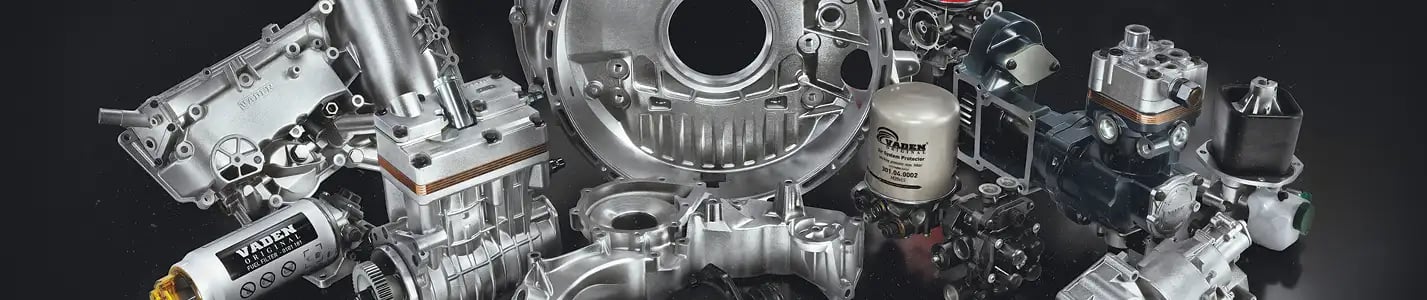
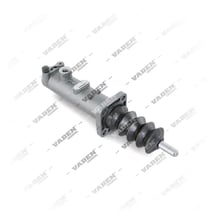
What Is a Clutch Slave Cylinder?
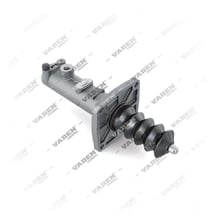
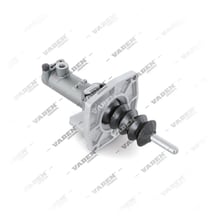
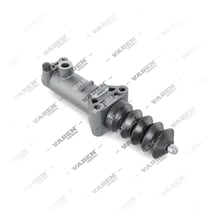
The clutch slave cylinder is the hydraulic actuator in heavy commercial vehicles that converts the hydraulic force from the clutch pedal into mechanical motion and transmits it to the release bearing. In the field it is also called the "slave cylinder," "clutch cylinder," or "hydraulic clutch piston," and it is typically mounted on the clutch housing or near the gearbox, at the far end of the hydraulic line. Pressurized hydraulic fluid from the clutch master cylinder pushes the piston inside the slave cylinder; the piston, in turn, moves the release bearing or diaphragm spring through a pushrod. This system is widely used on European-built heavy trucks and tractor units such as Mercedes-Benz, MAN, Scania, Volvo, DAF, Iveco, Renault Trucks, and BMC. When the slave cylinder fails, the clutch pedal goes soft, gear changes become stiff, or shifting becomes impossible altogether.
- Slave Cylinder: Sits at the far end of the hydraulic line, closest to the release bearing.
- Clutch Master Cylinder: A separate unit connected to the slave cylinder that converts pedal force into hydraulic pressure.
How Does a Clutch Slave Cylinder Work?
When the driver presses the clutch pedal, the master cylinder pressurizes the hydraulic circuit, and this pressure travels along the fluid line to the slave cylinder. The piston inside converts that pressure into a mechanical stroke and transmits it to the release bearing via a pushrod. The release bearing presses against the diaphragm spring, pulling the pressure plate away from the flywheel and interrupting power transfer between engine and transmission. When the pedal is released, spring force and the drop in hydraulic pressure return the piston and pushrod to their starting position, and the clutch re-engages. On some heavy-vehicle models the slave cylinder is mounted externally, outside the clutch housing; on others it is built as a concentric slave cylinder (CSC) inside the transmission. Keeping the system air-free and leak-tight is critical for smooth gear changes.
Clutch Slave Cylinder Technical Specifications
Clutch slave cylinders vary by vehicle model in piston diameter, stroke length, and connection geometry, so selection should be based on the chassis number or OEM part number. The body is generally cast aluminum or steel, machined internally for corrosion resistance. The piston seal is an elastomer resistant to hydraulic fluid, preserving sealing performance over a long service life. Operating pressure varies by clutch type; for exact values, consult the vehicle's current service manual. Connection points, the bleed valve, and the line fitting must match original dimensions, or the system risks trapped air or leakage.
Clutch Slave Cylinder Types and Subgroups
- External (Externally Mounted) Slave Cylinder: Bolts to the clutch housing and transmits motion via a pushrod to the release fork.
- Concentric Slave Cylinder (CSC): Mounted concentrically on the input shaft, working as one unit with the release bearing.
- Slave Cylinder Repair Kit: An economical overhaul set with the piston, piston seal, pushrod, and dust boot.
- Dust Boot and Seal Kit: Protects the piston surface from dust, moisture, and dirt.
- Bleed Valve: Lets air be purged from the circuit and helps maintain correct pedal pressure.
How to Choose the Right Clutch Slave Cylinder
When choosing the right slave cylinder, first verify the vehicle's make, model, chassis number, and transmission type; different engine and clutch combinations within the same family can call for different cylinder sizes. Piston diameter and stroke length directly determine the hydraulic force the system produces, so deviating from the original dimensions can cause insufficient or excessive release travel. Matching the mounting type (external or concentric) to the vehicle cuts installation time and the risk of fitting errors. The table below summarizes the key selection criteria.
Clutch Slave Cylinder Selection Criteria| Criterion | Why It Matters |
|---|
| Chassis / OEM Part Number | Guarantees the piston diameter and stroke length match the vehicle's clutch system exactly |
| Mounting Type | External or concentric (CSC) design depends on the transmission and clutch housing geometry |
| Piston and Seal Material | Elastomer resistant to hydraulic fluid ensures long service life and reliable sealing |
| Connection and Fitting Size | A fitting incompatible with the hydraulic line causes leaks and bleeding problems |
| Clutch Type (Single/Double Disc) | Different pressure-plate load requirements affect the hydraulic force the cylinder must produce |
Clutch Slave Cylinder Maintenance and Key Points to Watch
- Check the Hydraulic Fluid Level: Low or moisture-contaminated fluid causes pedal free play and harsh shifting.
- Always Bleed the System After Installation: Never drive the vehicle before all air is fully purged through the bleed valve.
- Inspect the Dust Boot Periodically: A torn or cracked boot lets dirt and moisture reach the piston surface.
- Verify Pushrod Alignment: A misaligned pushrod causes premature wear on the release bearing.
- Act Immediately on Signs of Leakage: Moisture at the body or fittings signals the seal needs replacing.
Common Failures and Their Solutions
- Clutch Pedal Goes Soft: Internal leakage or trapped air is the likely cause; replace the piston seal and bleed the circuit.
- Gear Changes Become Stiff or Impossible: Insufficient hydraulic force or a sticking pushrod may be to blame; inspect the cylinder and repair kit.
- Hydraulic Fluid Leaking from the Cylinder Body: A worn piston seal or a damaged dust boot causes leakage; renew the seal kit.
- Vibration or Abnormal Noise During Clutch Engagement: This can indicate pushrod misalignment or a contact issue with the release bearing; verify alignment.
- Pedal Feels Hard, Clutch Won't Disengage: A blocked hydraulic line or a seized piston may be the cause; remove and clean the line and cylinder.
Why VADEN ORIGINAL?
- Manufactured to OE Dimensions: Piston diameter, stroke length, and connection geometry match original specifications exactly.
- Broad OEM Coverage: Correct applications for the Mercedes-Benz, MAN, Scania, Volvo, DAF, Iveco, Renault Trucks, and BMC heavy-duty range.
- Durable Sealing Materials: Seal and dust boot materials resistant to hydraulic fluid deliver a long service life.
- Exported to More Than 100 Countries: Proven quality standards trusted by fleet operators worldwide.
Conclusion
The clutch slave cylinder is the critical link that carries the force of the hydraulic clutch system to the release bearing; without a correctly sized, leak-tight, and properly aligned cylinder, smooth gear changes are not possible. Regular fluid checks, timely bleeding, and early intervention protect both driver comfort and transmission life. Manufactured to OE dimensions, VADEN ORIGINAL slave cylinders deliver a durable, dependable solution for heavy commercial vehicle fleets.
Frequently Asked Questions (FAQ)
What is the difference between a clutch slave cylinder and a clutch master cylinder?
The clutch master cylinder converts the force from the pedal into hydraulic pressure; the slave cylinder receives that pressure and houses the piston that moves the release bearing. Both work in series on the same hydraulic line but are separate components located at different points in the system.
What symptoms appear when a clutch slave cylinder fails?
The most common symptoms are a pedal that goes soft, gear changes that become stiff or impossible, hydraulic fluid leaking from the cylinder body, and vibration felt during clutch engagement. If any of these appear, the cylinder and repair kit should be inspected.
Why is bleeding required after replacing the slave cylinder?
Air entering the hydraulic circuit prevents pressure from building evenly on the piston and makes the pedal feel spongy. After installation, the vehicle should not be driven until all air has been fully purged from the system through the bleed valve.
Is the Slave Cylinder (cat322) different from the Control Cylinder?
Yes, they are different. The slave cylinder is part of the hydraulic release mechanism in the clutch system, while the control cylinder is a separate component belonging to the transmission's gear-shift control system; the two are not interchangeable.
Should the clutch slave cylinder be replaced entirely or repaired with a repair kit?
If only the piston seal or dust boot is worn, an economical repair with a repair kit may be sufficient. However, if the body shows cracks, deep scoring, or significant corrosion, replacing the entire cylinder with a new one built to OE dimensions is recommended.
Related technical guide: Clutch Central Unit (Lower/Upper Servo): Faults & Replacement