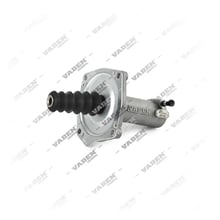
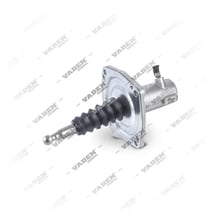
What are the functions of a Clutch Slave Cylinder?
Its role is to transmit hydraulic energy into mechanical motion with minimal loss.
- Pressure transfer: Converts hydraulic pressure from the master cylinder into piston movement.
- Clutch release: Pushes the release fork or slave bearing to separate the pressure plate from the clutch disc.
- Pedal feel: Provides a firm, predictable pedal resistance when the system is free of air or leaks.
- Stroke limitation: The internal piston stroke defines the full disengagement travel; excess or insufficient stroke disrupts shifting.
- Sealing: Keeps hydraulic fluid contained within the cylinder, preventing contamination of the transmission housing or leakage to the environment.
What are the symptoms of a failing Clutch Slave Cylinder?
Failure usually develops gradually and is first noticed at the pedal.
- Soft or deep pedal travel: A spongy or unusually deep clutch pedal indicates air or a leak in the cylinder.
- Difficulty shifting gears: Grinding, resistance, or incomplete gear disengagement is a common symptom.
- Hydraulic fluid leakage: Fluid stains around the cylinder body, pipe fittings, or dust boot are visible.
- Clutch slipping or dragging: When the piston cannot complete a full stroke, the clutch either fails to fully engage or fully disengage.
- Pedal staying on the floor: In advanced failure the pedal does not return, usually caused by internal seal loss or mechanical seizure.
How is a Clutch Slave Cylinder checked?
Inspection starts with a visual check followed by functional testing.
- Visual inspection: Check the cylinder body, pipe fittings and dust boot for fluid traces, moisture or caked dirt.
- Fluid level: Check the clutch hydraulic reservoir (shared with the brake reservoir on some vehicles); continuous drop indicates a leak.
- Stroke measurement: Verify piston rod travel by hand or with a dial indicator while the pedal is pressed and released.
- Bleeding for air: A spongy pedal can indicate trapped air; distinguish this from an actual leak before bleeding.
- Pressure test: In doubtful cases measure line pressure with a gauge and confirm the master cylinder is also functioning correctly.
What should be considered during replacement?
Both installation precision and system integrity matter during replacement.
- Clean hydraulic lines: Cap disconnected lines to prevent dirt or moisture entry and fit new seals.
- Correct hydraulic fluid: Fill with the fluid type specified by the vehicle manufacturer; never mix fluid types.
- Bleeding procedure: Fully purge air from the system after installation and repeat bleeding until the pedal feels firm.
- Push rod adjustment: Set push rod length and fork contact to the manufacturer's tolerance; incorrect adjustment causes premature wear.
- Related components: Replace a worn dust boot, hose or clip at the same time, and check the master cylinder as well.
How to choose the right Clutch Slave Cylinder?
Correct part selection requires matching the vehicle model, chassis number and original OEM reference. Cylinder bore, stroke length and connection type (threaded or quick-connect) are vehicle-specific; a mismatched bore causes incomplete clutch disengagement.
Clutch Slave Cylinder selection criteria| Criterion | Description |
|---|
| Cylinder bore | Must exactly match the diameter specified by the vehicle manufacturer |
| Stroke length | Must cover the full disengagement travel of the clutch |
| Connection type | Hydraulic line fitting must match the vehicle connection |
| Material | Piston and body must resist hydraulic fluid and operating temperature |
| Reference verification | Confirm with OEM number and chassis data |
Maintenance and service life
The clutch slave cylinder lasts longer with regular hydraulic fluid checks and periodic dust boot inspection. Moisture absorbed by aging hydraulic fluid can corrode internal surfaces over time, so fluid changes at the manufacturer's recommended intervals should not be skipped. A torn dust boot lets dirt reach the piston surface, scoring it and causing leaks; prompt repair of boot damage extends service life. Average service life depends on operating conditions, daily shift count and maintenance discipline; the vehicle's current OE service manual is authoritative for exact figures.
VADEN Clutch Slave Cylinder
VADEN manufactures clutch slave cylinders for heavy commercial vehicles to OE tolerances. The product range delivers reliable clutch control in the field through sealing performance and dimensional accuracy.
Frequently Asked Questions (FAQ)
What is the difference between a clutch slave cylinder and a master cylinder?
The master cylinder converts pedal motion into hydraulic pressure, while the slave cylinder receives that pressure and converts it back into mechanical motion to release the clutch. They work in series on the same hydraulic line.
Can a vehicle be driven with a leaking slave cylinder?
It should not be. Continued leakage drops hydraulic pressure until the clutch fails to fully disengage or disengages incompletely, which can damage the transmission and cause a sudden loss of gear control on the road.
Why does the pedal still feel spongy after replacement?
Air may remain in the system. The bleeding procedure should be repeated if incomplete, and line connections should be checked for additional leaks.
Why is push rod adjustment important?
Push rod length sets the contact point of the clutch fork. Incorrect adjustment prevents full clutch disengagement, causes premature disc wear, or accelerates cylinder wear.
What additional parts should be checked when replacing the slave cylinder?
The hydraulic hose, dust boot, connection clips and the condition of the master cylinder should all be checked together, and any worn items replaced at the same time.